Wood fencing often costs less upfront than vinyl, but the difference depends on the fence’s height, design, material quality, and installation requirements. A custom cedar privacy fence can cost more than a basic vinyl design, so compare estimates for equivalent specifications.
This guide uses published national cost benchmarks to compare installation costs and ongoing maintenance. These figures are reference ranges, not Cool Cat Fence prices or verified local averages. For a property in Seattle, Portland, or a nearby service area, request current estimates for both materials using the same layout and project scope.
Fence Material Comparison: Wood vs. Vinyl

What’s the Difference Between Vinyl and Wood?
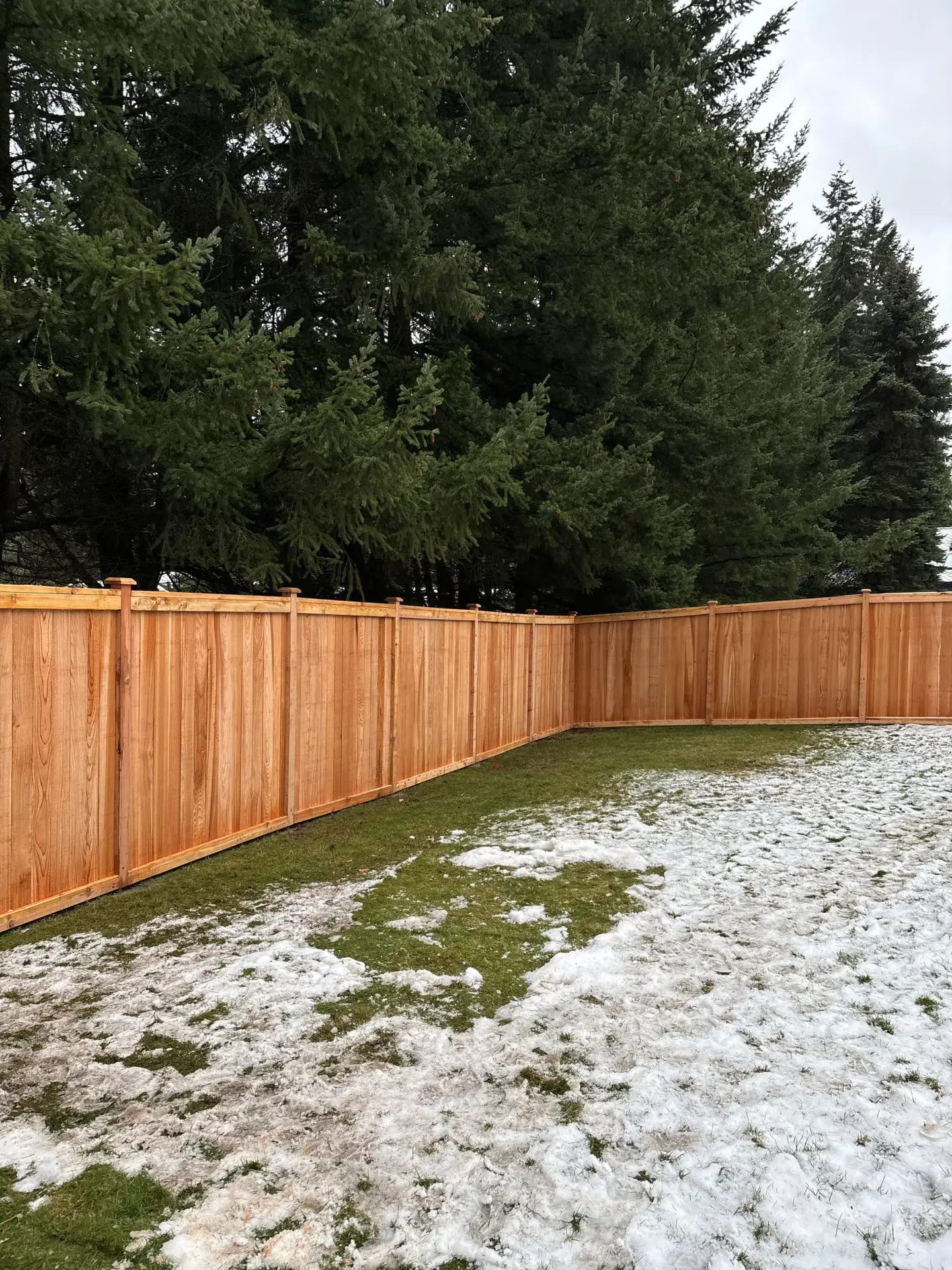
When comparing vinyl vs wood, the first thing to know is that they’re two very different fencing products. Wood fencing is made from natural materials like cedar, pine, or redwood. It’s long been favored for its natural beauty, warmth, and the ability to be fully customized.
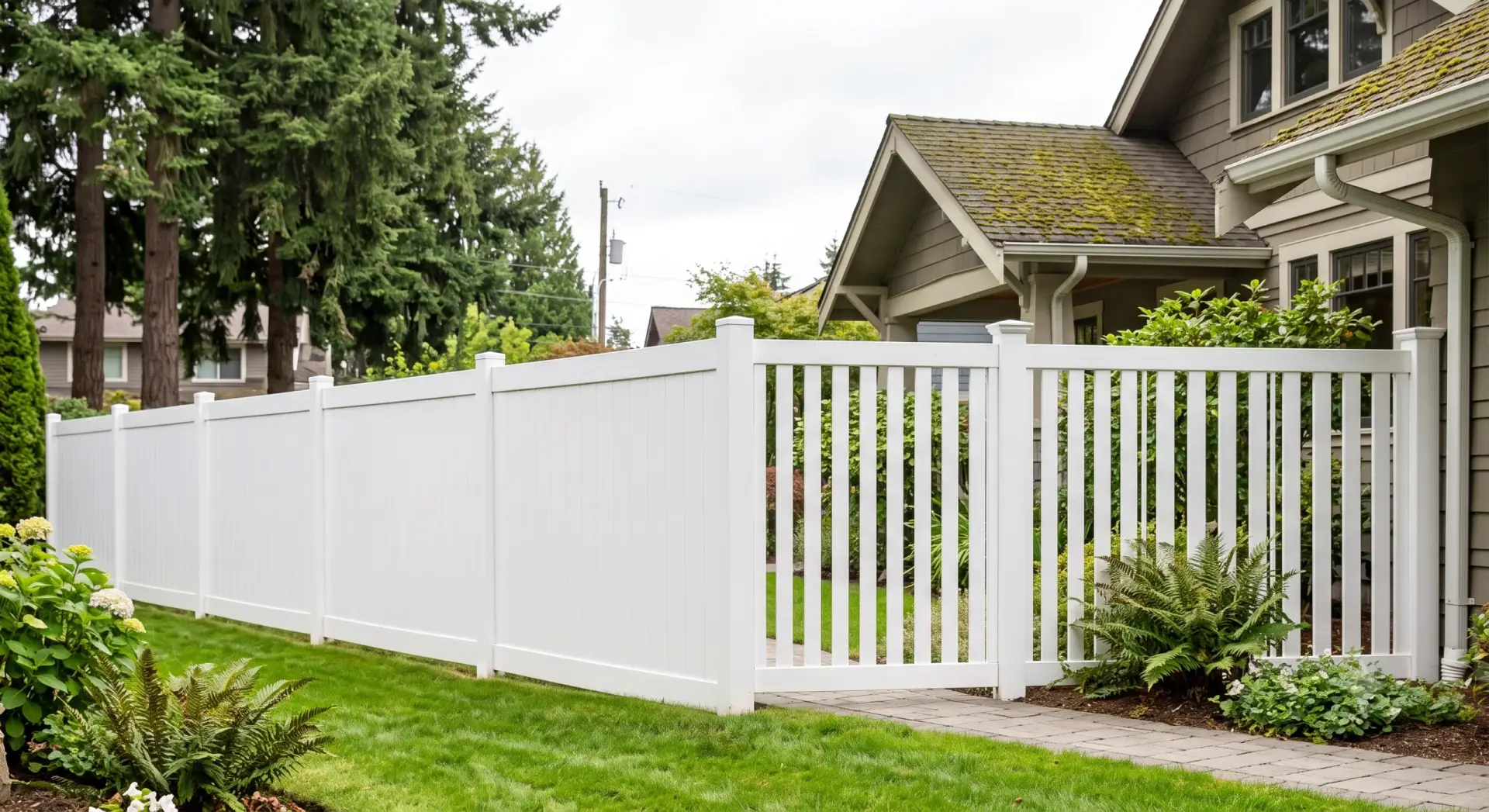
Vinyl fencing, sometimes referred to as PVC fence, is made from synthetic plastic using a detailed manufacturing process that creates a durable, weather-resistant product. Modern vinyl fence panels are available in many styles, including options that closely mimic wood grain, color, and even cross rails—the horizontal bars between posts—for added detail.
Why Compare Both Wood and Vinyl Fencing?
Wood appeals to homeowners who want a natural appearance and flexibility in fence design. Vinyl suits those who prefer a uniform finish without routine staining or painting.
The cost comparison includes both installation and ongoing care. Wood finish maintenance depends on exposure, surface condition, and the product used. Vinyl still needs cleaning, inspections, and occasional repairs. For either material, compare the proposed system’s specifications, maintenance instructions, and warranty terms.
Initial Cost: Is Wood Fence the Cheaper Option?

Wood vs. Vinyl Fence Installation Costs
HomeGuide’s wood fence cost guide publishes a national installed range of $20–$50 per linear foot. Its vinyl fence cost guide publishes an installed range of $30–$60 per linear foot. Both guides list December 22, 2025, as their publication date.
| Fence material | Published national installed cost per linear foot | Illustrative budget for 100 linear feet |
|---|---|---|
| Wood | $20–$50 | $2,000–$5,000 |
| Vinyl | $30–$60 | $3,000–$6,000 |
These broad ranges cover different specifications and are not a direct comparison of two identical fence designs. Premium materials, taller fences, custom details, and difficult installation conditions can exceed them.
Wood may offer a lower starting price, but the overlapping ranges mean it is not automatically the cheaper option. Compare quotes for the same height, length, privacy level, gate configuration, and removal requirements.
Use these figures as preliminary budgeting references, then confirm current pricing for your specific project.
Fence Installation Costs and Labor Breakdown
The installed benchmarks above already include labor. Do not add a separate labor allowance to them unless the estimate clearly identifies additional work outside the quoted scope.
Installation requirements depend on the fence system and the property. Restricted access, difficult excavation, old concrete footings, and custom gates can affect labor costs for either material.
On a slope, wood boards can often be cut to fit changes in grade. With vinyl, ask whether the selected panel system can follow the slope or needs to be installed in steps. Have each contractor explain how the layout will handle gaps beneath the fence and how much clearance the gates will need. Ask for any extra fitting or site preparation to be shown in the quote.
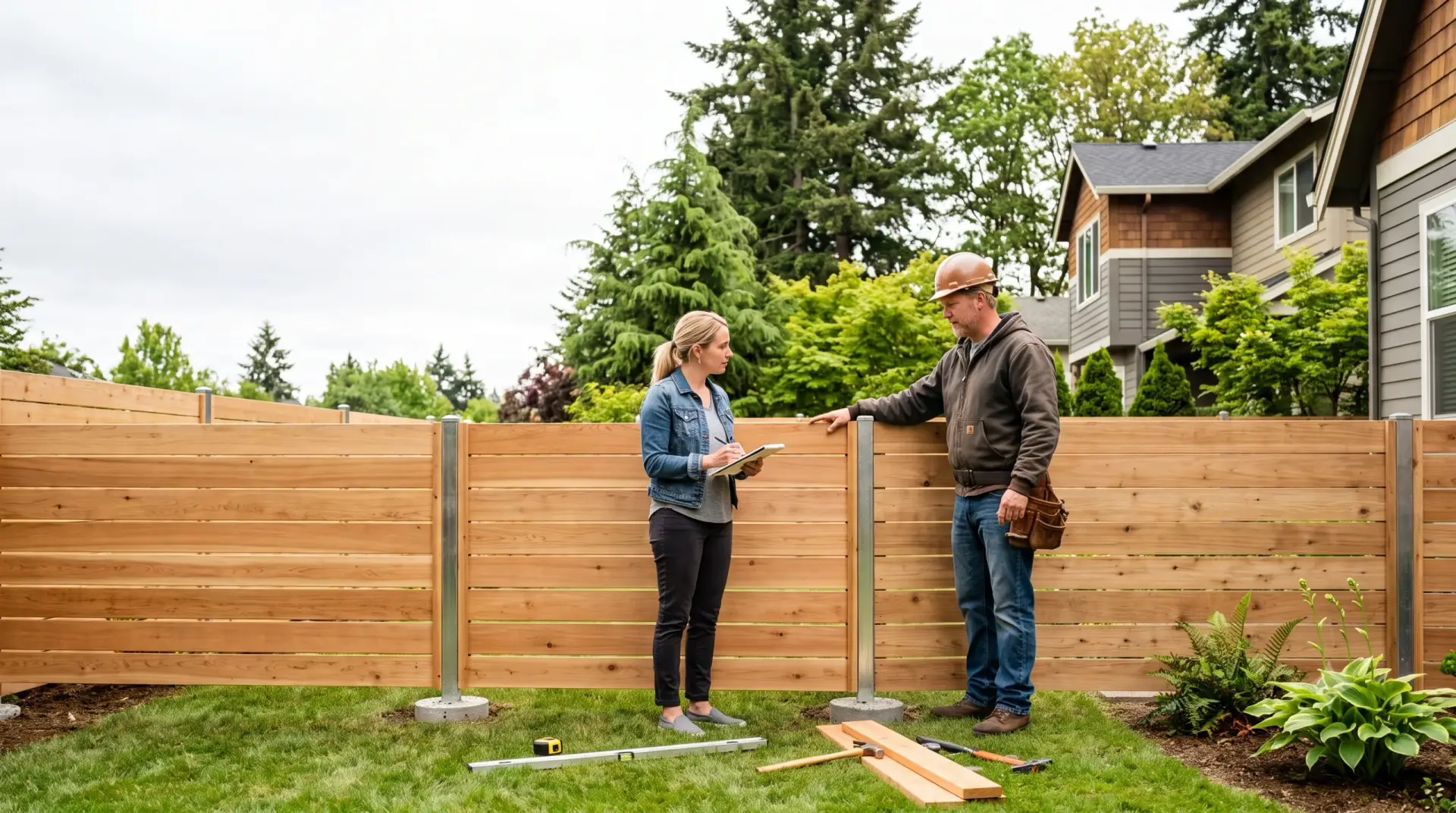
Ask each contractor to specify the proposed post system, installation method, site preparation, and cleanup. Compare the complete installed price rather than assuming prefabricated vinyl panels will always make installation faster or less expensive.
Other Cost Factors to Keep in Mind
Confirm whether each estimate includes gates, demolition, hauling, disposal, permit fees where applicable, and any required site preparation.
For wood fencing, ask whether staining or sealing is included, recommended separately, or planned for a later date. The appropriate finish and application timing depend on the wood’s condition and the product instructions.
Vinyl generally does not require routine painting or staining, but cleaning, hardware adjustments, and damaged component replacement can still create ongoing costs. Include these differences when comparing the two options.
Gate Design and Everyday Use
When comparing wood and vinyl quotes, include gates with equivalent dimensions and hardware. A wider opening, additional reinforcement, or different supporting posts can change the total price.
Consider how you will use the gate: walking a dog, moving trash bins, or bringing lawn equipment into the yard. Confirm the clear opening width, swing direction, ground clearance, hinge specifications, and latch position before installation.
For either material, ask how the proposed gate system will resist sagging and how its hardware can be adjusted or replaced. Compare the complete gate assembly rather than choosing by the panel material alone.
Maintenance Cost Over Time: What You’re Really Paying For

Wood Fence Maintenance Costs
A wood fence needs periodic inspections, cleaning, and repairs. If you choose a stained or painted appearance, allow for future finish maintenance as well.
There is no single refinishing schedule that suits every fence. Exposure, wood condition, surface preparation, and the finish manufacturer’s instructions should determine when another application is needed.
When comparing costs, consider whether you will perform the work yourself or hire a professional. Include cleaning, preparation, materials, and labor rather than counting only the price of stain or paint.
Vinyl Fence Maintenance Costs
Vinyl generally requires less finish maintenance because it does not need routine staining or painting. However, it still needs cleaning and inspections of panels, posts, gates, and hardware.
Follow the manufacturer’s cleaning instructions, including any restrictions on pressure washing or chemical cleaners. Before choosing a vinyl fence, ask whether a damaged panel or rail can be replaced individually and how to order a matching part. If the manufacturer discontinues the style or color, a close match may be harder to find. Check whether the warranty covers replacement parts, labor, or both.
Comparing Costs Over Your Ownership Period
Compare both materials over the same period you expect to own the property. Include the installation price, planned cleaning and finish work, likely repairs, and any replacement costs supported by the condition or specifications of the proposed fence.
Service life depends on material quality, installation, exposure, and maintenance. A product warranty is not a guaranteed lifespan, and lower maintenance requirements do not automatically make vinyl the less expensive choice overall.
Choosing a Privacy Fence: Style Meets Function

Wood Privacy Fence Options
Wood fencing allows installers to tailor board spacing, section heights, and decorative details to different parts of a yard. You might choose closely spaced boards beside a patio and a more open picket design near a garden where screening is less important.
For irregular layouts, ask how the proposed fence will fit around planting beds, tight corners, and changes in direction while staying within the confirmed property boundaries. Any changes in height or placement should comply with applicable local requirements and HOA restrictions.
Compare the cost of these custom details with a vinyl system that meets the same privacy goals. A simple wood design may be practical, but additional trim, varied heights, and custom sections can increase materials and labor costs.
Vinyl Privacy Fence Options
Vinyl privacy fences offer a clean, uniform look and come in a variety of pre-designed styles, including tall solid panels, lattice tops, and decorative post caps. Some products imitate wood grain while avoiding the need for routine staining or painting.
While less customizable, these fences offer a sleek, finished appearance that many homeowners love, especially for residential fencing in newer developments.
If your property is subject to HOA rules, check the allowed fence materials, colors, and heights before requesting quotes. This helps you compare options you can actually install.
Environmental Impact of Vinyl and Wood Fencing
Wood as a Biodegradable Material
When comparing wood fencing, ask about the species, sourcing, preservative treatments, and any planned finishes. Disposal options depend on whether the wood has been treated, painted, or stained. Check local disposal requirements before assuming old fence boards can be composted or recycled.
Vinyl and Its Manufacturing Process
Vinyl fencing is made from PVC and does not biodegrade. Before choosing a product, ask the supplier about any documented recycled content and whether a local facility accepts the specific fencing material. Do not assume that old panels can go into household recycling. Follow the manufacturer’s cleaning instructions and check how damaged components should be disposed of.
New Fence, New Look: Style and Aesthetic Differences

Customizing a New Wooden Fence
Nothing beats the look of real natural material. Wood offers unmatched versatility for custom styles—from board-on-board to horizontal slats to spaced pickets. It works beautifully with older homes, garden landscapes, and anything with a rustic or natural vibe.
Vinyl Fence Design and Style Options
Today’s vinyl fence panels come in a wide range of colors, textures, and profiles. Many homeowners opt for wood-look panels to get the aesthetic of wood with the performance of vinyl. Styles range from simple to ornate, with privacy and semi-private versions available.
Long-Term Value: Which Fence Material is Worth It?
Total Cost of Ownership Over the Years
The lower installation quote is only one part of the comparison. Add the maintenance you intend to perform and consider how repairs would be handled for each proposed system.
Vinyl may offer better value if avoiding repeated finish work is a priority. Wood may remain the better fit if its installed price, repair options, and appearance suit your budget and plans.
There is no universal payback period for choosing vinyl over wood. Any claim that one option will save money over a specific number of years should be supported by project estimates and realistic maintenance assumptions.
Curb Appeal and Resale Value
A professionally installed fence adds instant curb appeal. Whether you choose natural wood or sleek vinyl, a well-built fence helps define your property and boost resale value. The key is to pick a material and style that aligns with your home and neighborhood.
When to Choose Wood Fencing
Choose wood if:
Your quote for a wood fence is lower than the quote for a comparable vinyl design
You love the look and smell of natural material
You enjoy DIY projects or doing your own touch-ups
You want maximum flexibility in design and layout
When Vinyl Fencing Is the Smart Choice
Consider vinyl if:
- You prefer a fence that does not require routine staining or painting.
- You like the available panel styles, colors, and finishes.
- You are comfortable with the installed price and potential component replacement costs.
- The proposed system’s specifications and warranty suit your property and exposure conditions.
Frequently Asked Questions About Wood vs. Vinyl Fence Costs
Is wood fencing cheaper than vinyl?
Often upfront, but not in every project. Published national installed benchmarks are $20–$50 per linear foot for wood and $30–$60 for vinyl. The ranges overlap, and custom wood designs can cost more than basic vinyl systems. Compare equivalent local estimates.
How much would 100 feet of wood or vinyl fencing cost?
Applying those broad national ranges gives an illustrative installed budget of $2,000–$5,000 for wood and $3,000–$6,000 for vinyl. Gates, removal, site conditions, and specific design choices can change the total. These examples are national budgeting references, not quotes for your property.
How much more expensive is vinyl fencing than wood?
There is no fixed price difference. Compare installed quotes for the same length, height, privacy level, gates, and removal work. Subtract the wood quote from the vinyl quote to find the upfront difference. Then compare that amount with the maintenance and repair costs you expect during your ownership period. The published ranges overlap, so a custom wood fence can cost more than a basic vinyl system.
Is vinyl worth a higher installation price?
It may be if avoiding routine staining or painting is valuable to you. Compare the actual price difference with your expected maintenance costs and ownership period. Vinyl does not guarantee lower total costs for every homeowner.
Does wood require more maintenance than vinyl?
Wood generally involves more finish maintenance if you want to preserve a stained or painted appearance. Both materials still need cleaning, inspections, and occasional repairs. Follow the relevant product instructions.
Which material is better for a rainy Seattle or Portland property?
Consider the complete fence system, drainage, installation details, and exposure. Vinyl avoids wood rot and routine refinishing, while a wood fence needs appropriate moisture management and maintenance. Ask the installer how each proposed system addresses your site conditions.
Should I repair my existing fence or replace it with wood or vinyl?
An isolated damaged board, loose fitting, or worn hinge may be repairable if the surrounding structure remains sound. Widespread rot, several failing posts, or recurring alignment problems call for a broader assessment.
Ask the contractor to identify the cause of the damage and provide separate repair and replacement estimates where practical. Compare what each option includes and the condition of the sections that would remain. Switching materials is a separate decision; it should follow an assessment of whether the existing fence can be repaired effectively.
Compare Wood and Vinyl Quotes for Your Property
Wood often offers a lower starting cost, while vinyl can reduce the need for ongoing finish work. The better value depends on comparable installation quotes, the maintenance you expect to perform, and the style you want.
Request current pricing for both materials using the same fence length, height, layout, and gate requirements. Confirm what each estimate includes before comparing totals.
Cool Cat Fence can help you evaluate the options for your property. Request an estimate to compare the proposed scope, materials, and current installation price.