A vinyl fence estimate should not feel like someone guessed a price from behind a desk. The number matters, of course. Homeowners need to plan the project, compare companies, and decide what makes sense for the property. But a reliable estimate has to start with the yard itself.
At Cool Cat Fence, we look at vinyl fence projects the same way our installers have to build them: one post, one panel, one gate, and one site condition at a time. A vinyl fence cost estimator can give a rough starting point, but it cannot see the slope behind the deck, the old concrete around the posts, the tight side yard, or the gate that needs to line up with daily use. That is where the real cost begins to take shape: not in a perfect online calculator, but in the details.
What Fence Contractors Look at Before Pricing a Vinyl Fence
Good fence contractors usually start with the basic question: what are we actually building? That sounds obvious, but it is where many rough estimates go wrong. A straight 100-linear-foot fence along a flat property line is one kind of fencing project. A shorter run with corners, gates, uneven ground, a deck nearby, and old wood posts buried in concrete is another deal entirely, and homeowners are often surprised by how much those details affect the process.
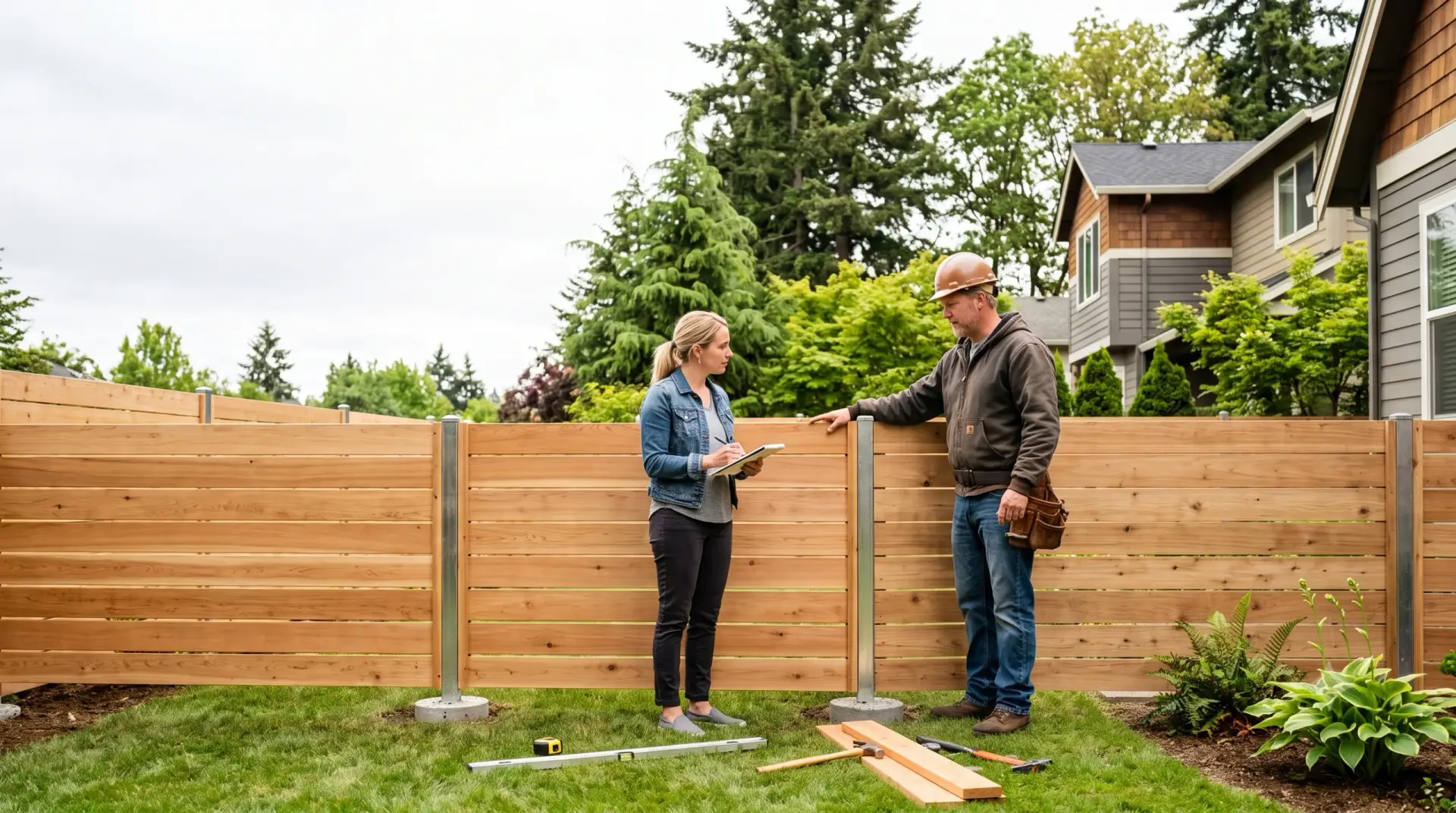
Fence contractors look at the layout first. They check the linear foot count, the location of corners, the number of gates, and how the fence will connect with the rest of the property. They also look at access. If the crew can bring vinyl fence materials close to the work area, installation is usually more efficient. If everything has to be carried through a narrow path, around landscaping, or down steps, labor costs can change.
Then comes the ground. Seattle yards can be wet, compacted, root-heavy, or uneven.1 That matters because a vinyl fence depends on clean post placement. The panels need to sit correctly between the posts. Gates need enough support to swing and latch without fighting the frame. A wood fence gives installers a little more room to adjust on-site. Vinyl is cleaner and more uniform, but it asks for better planning before installing starts.
Why a Vinyl Fence Cost Estimator Misses Important Details
A vinyl fence cost estimator is not useless. It can help homeowners understand a general price range before they talk to a contractor. The catch is that most tools only see length, height, and maybe a few material choices. They do not see the actual site.
Vinyl fence cost can shift because of fence height, vinyl fence materials, fence panels, gates, old fence removal, post depth, access, and labor costs. A calculator may ask for the number of linear feet. It may not ask whether the old chain link fence has to come out first, or whether the previous wood fence posts are still stuck in the ground.
That is why online estimates can look neat and still miss the real project cost. They simplify the yard. Real yards do not always cooperate, and that is where money can get hit once the crew sees the site in person.
Estimate detail | Common number or range | Why it affects the final price |
Standard vinyl fence example | 100 linear foot | Useful for comparing a basic project size |
Typical 100-foot vinyl fence cost | $3,000 to $7,800 | Changes with height, materials, gates, removal, and labor costs |
Seattle backyard fence height | Usually up to 6 feet | Height affects material needs and zoning review |
Open decorative features | Up to 2 extra feet | Trellis-style or similar features may be treated differently than solid panels |
Front-yard fence expectation in many Seattle cases | Around 4 feet | Visibility and location can affect what is allowed |
A table like this is helpful for planning. Still, it is not a substitute for seeing the property. A low price based on a clean average can break down fast once the crew finds hidden expenses on site, which is why homeowners usually appreciate a bit of caution before comparing quotes.
Vinyl Fence Installation Starts With Height, Panels, and Gates
Fence height should be discussed early. A short vinyl picket fence for curb appeal is one kind of project. A full privacy fence for pets, security, or a backyard boundary is another.
Once the panels get taller, the project usually needs more material and better post planning. Height can also raise zoning questions, especially in Seattle, where backyard and front-yard fence rules may differ. It is not just a visual choice. Height affects the price, the structure, the appearance, and whether the fence belongs in that part of the property.
Vinyl fence panels also need their own planning. They are not the same as wood boards. Wood can often be trimmed and adjusted more naturally during installation. With vinyl, the layout has to respect the panel system. If a run ends awkwardly, the contractor has to decide how to handle that break without making the fence look forced.
Gates are where rushed estimates often fall apart. One gate? Two gates? A wider gate for equipment? A gate near a slope? Each choice affects posts, hardware, labor costs, and long-term durability. A gate is also the part homeowners use most, so it has to feel right. If it drags, sags, or does not latch cleanly, people notice every day.
Vinyl Fence Materials and the Low Maintenance Question
Vinyl fence materials are commonly made from polyvinyl chloride, or PVC.2 Homeowners often like vinyl because it looks clean, supports curb appeal, and does not need staining or painting like wood. Occasional cleaning is usually enough to keep the panels looking cared for. That low-maintenance appeal is real. But it should not be oversold.
A vinyl fence still depends on proper installation. Posts need to be set correctly. Panels need to align. Gates need the right support. The fence has to make sense for the property, not just for the product page or website photo. Poor installation can make even durable materials perform badly, while a fence installed professionally can stay reliable for decades when the layout, posts, and gates are planned correctly.
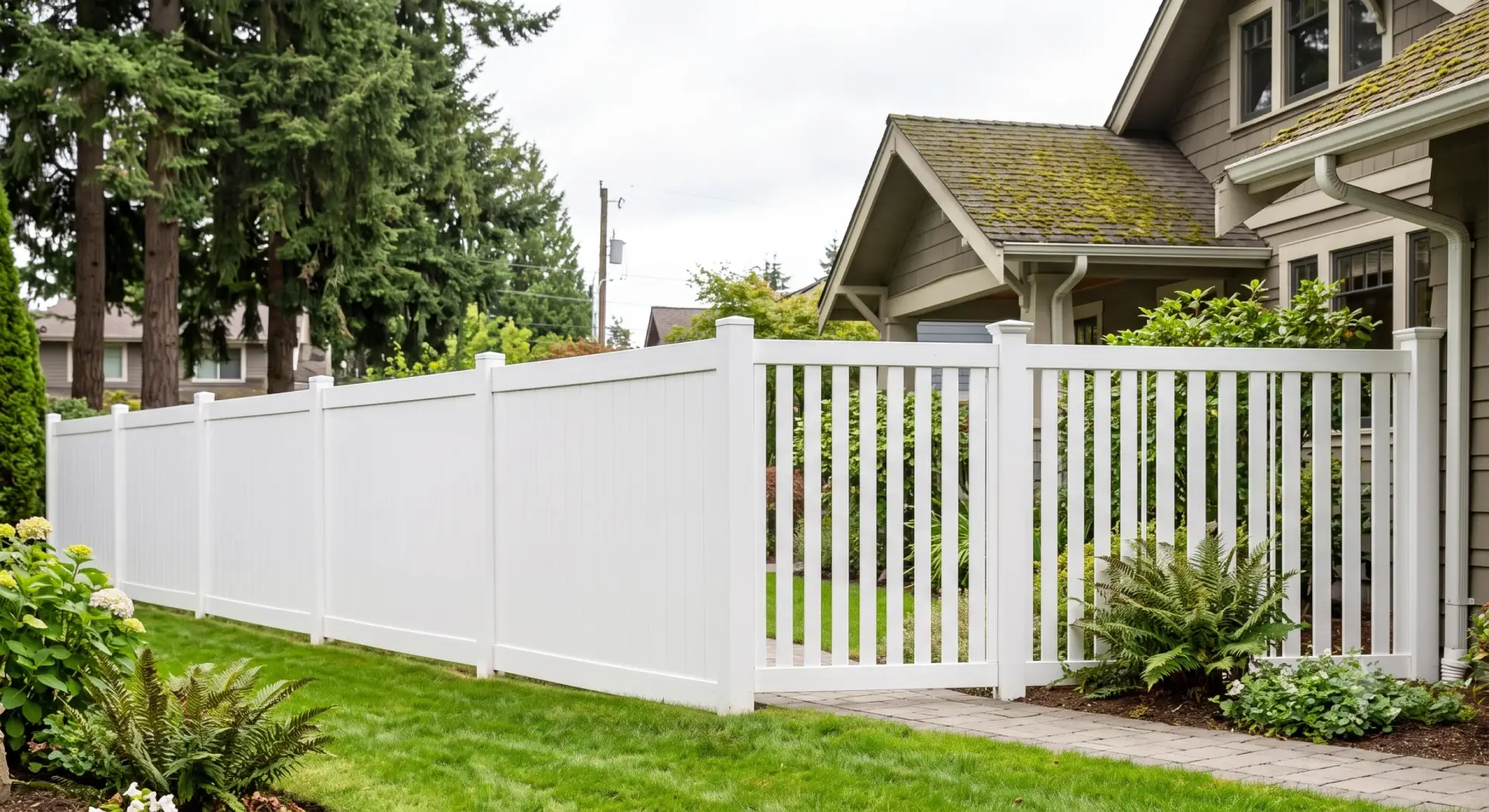
There is also an aesthetic choice here. Some homeowners want the warm, natural look of a wood fence. Others prefer the cleaner display of vinyl. A picket style may work beautifully in front of a home, while solid panels may make more sense behind the house for privacy. Lattice can soften the appearance, but it still needs to match the rest of the build.
For homeowners comparing choices, our vinyl fence installation for Seattle homes service focuses on that practical fit: material, layout, height, gates, and how the fence will actually be used.
Professional Installation and Labor Costs Are Not Just “Hours”
Labor costs are easy to misunderstand. Homeowners sometimes look at a fence and think the price should mostly be panels and posts. But professional installation includes much more than placing materials in a line, and experienced fence builders know where a simple-looking job can become more involved.
There is site prep. Measuring. Marking. Digging. Setting posts. Handling panels. Hanging gates. Cleaning the area. Working around slopes, old materials, tight access, and utility concerns. A full-service fencing company may also help with permitting questions, utility coordination before excavation, custom installation details, structural repairs, and weather-aware planning.
A written estimate should break down labor and materials clearly. It should also explain what is included, what may change, and what assumptions the contractor is making.
There is another detail homeowners should not skip: licensing. In Washington, homeowners should verify that the contractor is licensed, bonded, and insured through the Washington State Department of Labor & Industries. It is not the exciting part of planning a new fence, but it protects the homeowner if something goes wrong.
A free estimate should slow the decision down in a useful way. You should understand the scope, the price, what to expect, and the reason behind the recommendation. A good professional can explain all of that without making the quote feel confusing or leaving homeowners to guess whether they hired the right guys for the job.
When Vinyl, Wood Fence, or Chain Link Makes More Sense
Vinyl is a practical option for many homes, but it should still be compared with other materials. The best choice depends on the property and the job the fence needs to do.
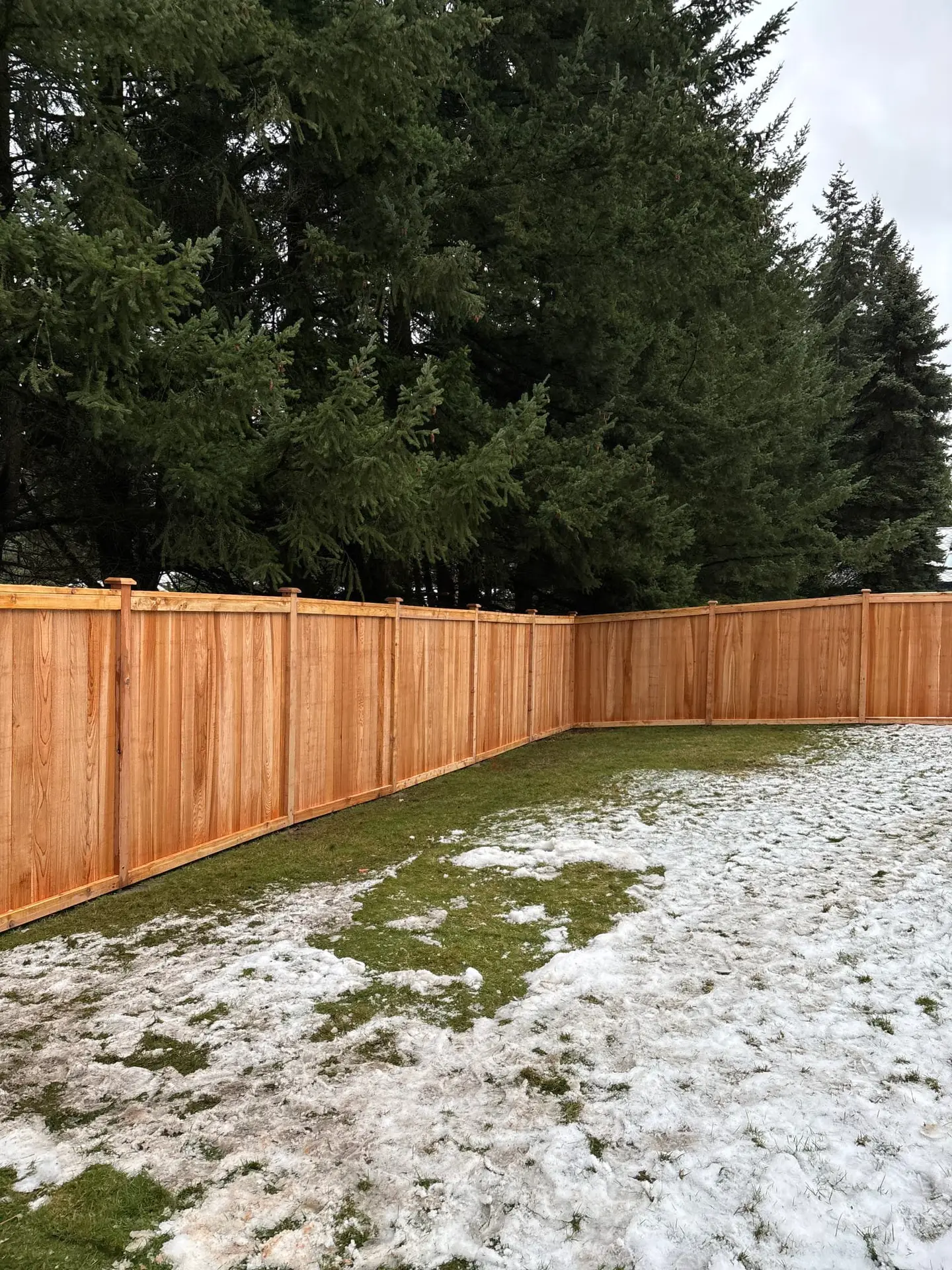
A wood fence works well when homeowners want natural character, design flexibility, or a more classic backyard look. Wood has warmth. It can look beautiful around gardens, decks, and older homes. The tradeoff is maintenance. Over the long run, staining, repairs, and weather exposure become part of the cost.
Chain link is more practical than decorative. Chain link works best when the fence needs to be useful first. Pets, security, long property lines, open visibility — those are all good reasons to consider it. It will not create the same privacy or curb appeal as a solid vinyl fence, but it can be durable and cost-conscious.
Vinyl gives homeowners a cleaner, more finished option without a heavy maintenance routine. It can add privacy in backyards, define side yards, and work in some front-yard picket designs. But vinyl is not automatic. The property still matters. A sloped Seattle yard can make a display-photo fence look less simple in real life.
That is why we like to talk through vinyl fencing that fits everyday backyard needs before homeowners decide. The fence should fit the way people actually live: pets running outside, gates used daily, neighbors nearby, and a yard that has to look good without becoming another maintenance project.
What a Reliable Vinyl Fence Estimate Should Include
A strong vinyl fence estimate is clear, itemized, and practical. It should help homeowners understand the scope before the project starts.
At a minimum, it should cover approximate linear footage, fence height, vinyl materials, number of panels, number of gates, labor, removal needs, and known site conditions. It should also explain cleanup, old fence haul-away, permitting, and utility coordination if those apply.
The estimate should not hide the expensive parts. If gates add cost, say so. If the location is difficult to access, explain why. If old posts may slow down the crew, that should be clear before work starts.
This is where a real contractor earns trust. Not by giving the cheapest number. By giving a number that makes sense.
A new fence is not something homeowners want to pay for twice. A clear estimate protects the budget, the property, and the final result.
FAQ
How much does a vinyl fence cost for 100 linear foot?
A typical 100 linear foot vinyl fence cost can range from $3,000 to $7,800. The final cost depends on fence height, materials, gates, old fence removal, site access, and labor costs.
Is a vinyl fence cost estimator reliable?
A vinyl fence cost estimator can help with early planning, but it cannot fully price a real yard. It may miss slope, old posts, tight access, gate placement, or Seattle zoning details.
Why does fence height change the cost?
Fence height affects materials, post planning, labor, appearance, and sometimes local zoning review. A taller privacy fence usually costs more than a short picket fence.
Are vinyl fence panels better than wood fence panels?
Vinyl fence panels are lower maintenance and have a cleaner, more uniform appearance. Wood fence panels offer a natural look and more flexibility, but they usually need more maintenance.
Do fence contractors handle permits?
Some fence contractors help with permitting and local requirements, but homeowners should confirm this before the project starts. It is also smart to ask about utility coordination before excavation.
What should be included in a vinyl fence estimate?
A good estimate should include linear footage, fence height, materials, panels, gates, labor costs, removal, site conditions, cleanup, and any permitting or utility details that may affect the project.
Does vinyl improve curb appeal?
Yes, a vinyl fence can improve curb appeal when the style, height, color, and gates fit the property. It works especially well when homeowners want a clean look with less maintenance than wood.
Is vinyl worth it in the long run?
For many homeowners, vinyl can offer strong long-term value because it is durable and low-maintenance. The real value depends on the quality of the materials, the installation, and the fit for the property.