Horizontal fencing has quietly taken over Washington neighborhoods. Drive through Ballard, Kirkland, or Puyallup and you’ll notice the shift: those old dog-eared vertical boards are disappearing, replaced by clean, stacked horizontal lines that mirror the architecture behind them and signal a more modern, intentional approach to fence design.
This guide covers everything Washington homeowners need to know about the horizontal fencing trend in 2026, from material selection and local regulations to installation considerations, horizontal fence ideas, and property value benefits. Whether you’re building new, renovating, or replacing an aging fence in King, Snohomish, Pierce, or Thurston counties, the information here will help you make a confident decision about which modern horizontal fence will serve your property best.
The short answer to why horizontal fencing dominates right now: it works with modern home design, handles PNW conditions well, and creates a visually appealing outdoor space that feels intentional rather than an afterthought for both residential backyards and small commercial properties.
By the end of this article, you’ll understand:
- Why architectural trends pushed modern horizontal designs to the forefront
- Which materials and wood species perform best and remain durable in Washington’s wet climate
- How to handle permits and HOA requirements across major cities
- The functional benefits beyond curb appeal and how horizontal fencing can improve privacy and security
- Common mistakes when installing a modern horizontal fence and how to avoid them
Cool Cat Fence, a Seattle-based residential fencing company, has seen demand for modern horizontal fence designs more than double in recent years. That shift reflects something bigger happening across the state.
Understanding the Shift to the Modern Horizontal Fence in Washington
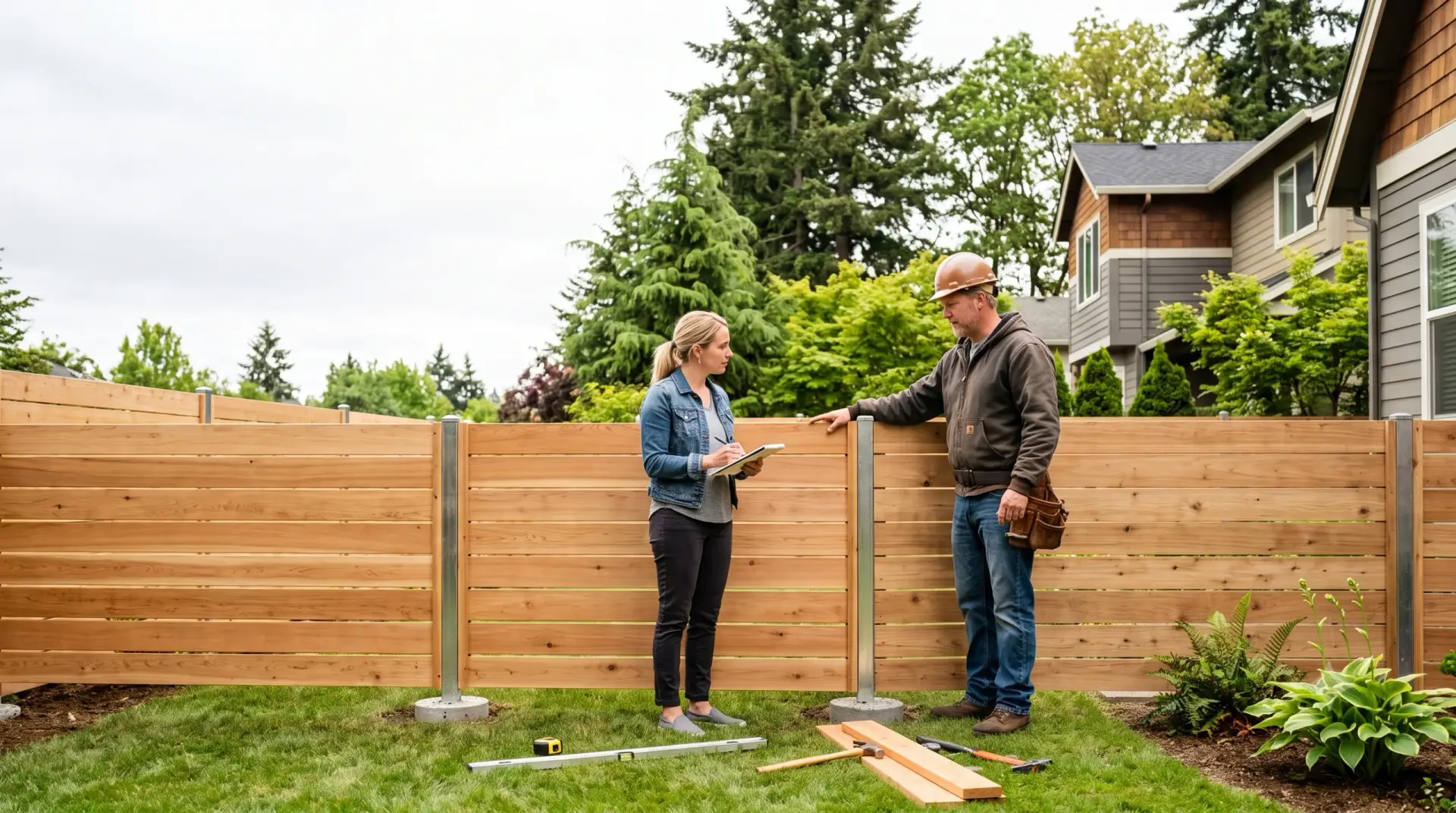
A modern horizontal fence consists of boards or horizontal slats laid horizontally parallel to the ground, affixed to vertical posts set in concrete, creating clean lines rather than traditional fence boards stacked vertically in a picket pattern. Floating horizontal slats create a visually appealing and modern design that gives the illusion of space and openness.
Architectural Alignment
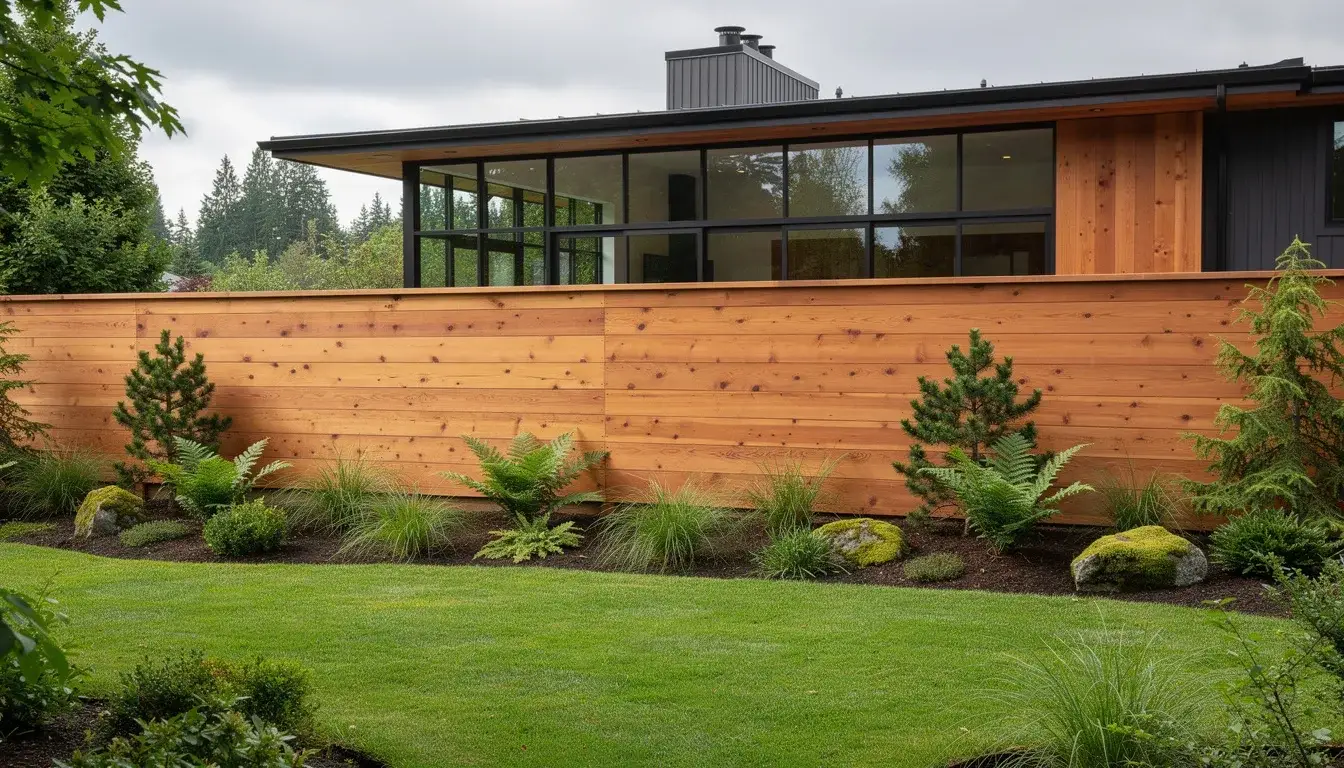
Washington’s new-build market leans heavily into modern farmhouse, Pacific Northwest contemporary, and mid-century revival architectural styles. Traditional vertical fencing and generic fence panels often clash with those clean horizontal roof lines and expansive windows. Modern horizontal fence design mirrors the low, wide proportions of modern homes, extending the visual language of the architecture into the yard and making horizontal fencing feel like a natural extension of the home.
Regional Adoption
The trend is most visible in specific Washington neighborhoods where horizontal fencing and modern horizontal accents show up on almost every new listing photo. Capitol Hill and Redmond show strong adoption, particularly in new construction. Tacoma’s Stadium District and Olympia have followed, with property owners replacing aging fences with sleek horizontal alternatives that feel more durable and modern. Social media and design platforms accelerated awareness, but the style stuck because it actually works with PNW landscapes: mossy greens, grey skies, and natural wood tones, and provides horizontal fence ideas that translate well to real backyards.
Horizontal fences are known for their modern and clean lines, making them a popular choice in recent years. The fence becomes part of the home’s visual story and its basic security plan rather than an afterthought boundary marker, so homeowners expect it to be both beautiful and durable.
Material Selection for Pacific Northwest Conditions
Material choice matters more in Washington than in drier climates. The persistent moisture, seasonal temperature swings, and occasional heavy winds create create conditions that test every fence installation, so any modern horizontal fence has to be engineered as a truly durable system, from posts and panels to footings set in concrete.
Western Red Cedar Options
Cedar is the dominant choice for horizontal fencing in Washington. Western red cedar resists rot and decay naturally without chemical treatment, making it one of the most durable wood species for the PNW’s consistently moist climate. The wood is locally sourced, supporting regional supply chains and reducing transportation costs compared to hardwoods. In drier West Coast markets, redwood is a common premium fencing material, but in Washington its cost and sourcing make Western red cedar the more practical everyday choice.
Cedar takes stains and finishes exceptionally well, which aligns with the 2026 trend toward custom wood stains rather than paint. Stains soak into the grain, hide wear better in rainy conditions, and let the wood breathe. Paint tends to peel in PNW moisture, requiring more frequent touch-ups. With proper maintenance and resealing every 2-3 years, a cedar fencing installation can last 15-20 years in Western Washington.
Composite and Low-Maintenance Alternatives
Composite materials blend wood fibers and plastic, mimicking wood’s modern aesthetic without the maintenance demands. These materials resist fading, staining, rot, and insect damage, giving you a durable fence surface that keeps its color longer than many painted wood options. They withstand rain, snow, and sun without deterioration, which makes them attractive for homeowners who want modern horizontal lines without ongoing refinishing.
The tradeoff: significantly higher upfront cost. But for homeowners who want zero maintenance beyond occasional washing, composite delivers durability without the 2-3 year resealing cycle that cedar requires. TREX fencing specifically works well for horizontal designs and modern horizontal fence panels, especially on long runs where consistent spacing is hard to maintain with DIY projects.1
Mixed Materials and Premium Options for Horizontal Slats and Panels
Steel posts with cedar boards, or aluminum frames with composite slats represent the premium tier gaining traction in 2026. Combining wood and metal in a horizontal fence design can create a modern yet earthy look. Aluminum is lightweight and corrosion-resistant, which makes it a strong choice for slim modern fence frames where you want strength without bulk. Steel provides exceptional structural integrity for withstanding Washington’s wind conditions, especially when the posts are set in concrete footings and tied into the overall security plan for the yard.
Corrugated metal panels with ridged designs offer a stylish industrial look combined with unmatched durability. The ribbed pattern adds visual interest while enhancing strength against warping or sagging.
Honest cost comparison: cedar costs less initially but requires ongoing maintenance to keep the fence looking modern and durable. Composite and metal options cost more upfront but save money over a 15-20 year lifespan, especially on long runs around larger residential lots or light commercial properties. For budget planning, horizontal installations typically run 10-20% more than vertical fencing due to tighter post spacing requirements and precision leveling needs.
Washington Regulations and HOA Compliance
Checking local requirements before installation prevents costly modifications later and keeps your fence project aligned with local safety and security expectations. Regulations vary significantly across Washington municipalities, even when the neighborhoods look similar from a horizontal fencing and curb-appeal perspective.
Municipal Height and Setback Requirements
Location | Front Yard Max | Backyard Max | Special Requirements |
Seattle | 4 feet | 6 feet (7+ needs permit) | Alley-facing visibility requirements |
Bellevue | 4 feet | 6 feet | Corner lot setback for driver visibility |
Redmond | 4 feet | 6 feet | HOA restrictions may apply beyond code |
Most urban zones follow the 4-foot front yard, 6-foot backyard pattern for fence height without requiring permits.2 Fences over 7 feet or those enclosing pools require permit applications. Always verify neighborhood-specific requirements, as they can differ from general city code.
HOA Considerations
HOAs in Redmond, Maple Valley, and Bothell can restrict materials, colors, and styles beyond city code. Horizontal fencing typically plays well with most modern HOAs because it looks clean and intentional.
Some HOAs maintain pre-approved material and style lists. Getting your fence design on that list before construction prevents post-construction complications and avoids being told to move posts or tear out freshly set concrete footings. Always request written approval before starting work. Many homeowners skip permit checks assuming neighbor non-compliance indicates safety, but flagging and fines remain possible.
Value Beyond Curb Appeal: Horizontal Fence Ideas That Actually Work in Washington
A horizontal fence can serve various functions, including pool fencing and patio fencing, while maintaining aesthetic appeal.
Privacy and Functionality
Horizontal boards with tight spacing block sightlines effectively while allowing airflow and light. Incorporating latticework into a horizontal fence design adds a decorative element without compromising privacy. This sense of openness while maintaining seclusion appeals to property owners who want privacy without the fortress feeling.
The bottom board clearance matters for both moisture prevention and pet containment. A 2-3 inch gap from the ground prevents rot while keeping dogs secure without the chain-link kennel aesthetic.
Property Value and Market Appeal
Horizontal fences pair naturally with raised planters, climbing vines, and layered greenery. Incorporating built-in features like LED strip lighting can enhance the aesthetic appeal of horizontal fencing at night.
Washington homeowners in 2026 are treating backyards as rooms. The fence functions as the wall of that room. A well-designed fence is one of the few exterior upgrades that buyers notice immediately and that appraisers can factor into valuation. In competitive Seattle-area markets, design details materially impact how buyers perceive value.
Horizontal boards actually shed water along their length, potentially reducing pooling compared to vertically oriented boards. This functional advantage matters in water-heavy PNW conditions.
Common Installation Challenges and Solutions for Modern Horizontal Designs
Horizontal fencing looks simple but requires precision that DIY projects often miss, especially on Washington’s frequently uneven terrain.
Structural and Support Issues
Board warping represents the primary concern with horizontal installations. Unlike vertical boards where slight warping is less visible, horizontal boards show every imperfection across their length. Post spacing must be tighter than vertical designs, with 6-foot maximum recommended for structural integrity and warping prevention.
Ground clearance optimization requires balancing moisture prevention against pet containment and grass maintenance. Too little gap invites rot at the bottom board. Too much gap allows small dogs to escape. The 2-3 inch sweet spot works for most situations but may need adjustment for specific terrain.
Timing and Professional Considerations
Stain timing is critical in Washington’s climate. Staining too soon after installation traps moisture in the wood before it has dried properly. Wait 4-6 weeks before applying stain, even if the temptation is strong to finish the project immediately.
Professional installation becomes worthwhile for most Washington properties due to the precision leveling required across longer spans. Sloped yards require either stepped panels or racked installation where each board angles to match the grade. Both techniques need professional expertise to execute properly. The 24-inch minimum post depth in Washington soil ensures stability against wind and prevents leaning over time.
Permit verification before installation saves stress later.3 DIY projects that skip this step risk flagging during property sales or neighborhood complaints.
Conclusion and Next Steps
Horizontal fencing reflects how Washington homeowners think about their outdoor space now: intentional, functional, and designed to transform the yard into a genuine extension of the home. The style works because it integrates with contemporary architecture, handles PNW conditions with proper materials, and creates visually appealing boundaries that enhance rather than simply enclose.
The best fence for 2026 isn’t the one that looks good on installation day. It’s the one that handles three straight weeks of November rain and still looks right in July.
Your next steps:
- Check municipal height requirements and HOA restrictions for your specific address
- Determine whether cedar’s warmth and lower initial cost or composite’s zero-maintenance durability better fits your budget and lifestyle
- Obtain quotes from contractors experienced with horizontal installations on Washington terrain
- Plan for proper timing if choosing wood, accounting for the post-installation drying period before staining
Frequently Asked Questions
Is horizontal fencing more expensive than traditional vertical fencing?
Horizontal typically costs 10-20% more due to materials and labor. Post spacing must be tighter and leveling takes more precision, especially on uneven Washington terrain.
What is the best wood for horizontal fencing in Washington state?
Western red cedar is the top choice. It resists rot naturally, handles PNW moisture well, and is widely available from local mills.
How long does a horizontal cedar fence last in the Pacific Northwest?
With proper sealing every 2-3 years, a cedar horizontal fence can last 15-20 years in Western Washington. East of the Cascades where it’s drier, even longer.
Do I need a permit to install a horizontal fence in Seattle?
Not if it’s under 7 feet tall. Fences over 7 feet or those enclosing pools require permits. Always check your specific neighborhood requirements.
Can horizontal fencing work with sloped yards?
Yes, but it requires stepped or racked installation. Stepped panels follow the slope in sections while racking angles each board to match the grade. Professional installation is recommended for slopes.
Does horizontal fencing provide enough privacy?
Tight board spacing with minimal gaps blocks sightlines effectively. Some homeowners add a cap board on top for extra height without exceeding local code limits.
How does horizontal fencing hold up in heavy rain and wind?
Well, if installed correctly. Proper post depth of at least 24 inches in Washington soil and quality hardware prevent leaning. Horizontal boards shed water naturally along their length, which can reduce pooling compared to vertical boards.
Will my HOA allow horizontal fencing?
Most modern HOAs in Washington accept horizontal designs because they look clean and maintained. Some older HOAs have restrictive style guides. Always request written approval before starting construction.
Should I stain or paint my horizontal fence?
Stain is the preferred choice in 2026, especially in Washington. It penetrates the wood grain, ages more gracefully in wet conditions, and requires less maintenance than paint, which tends to peel in PNW moisture.