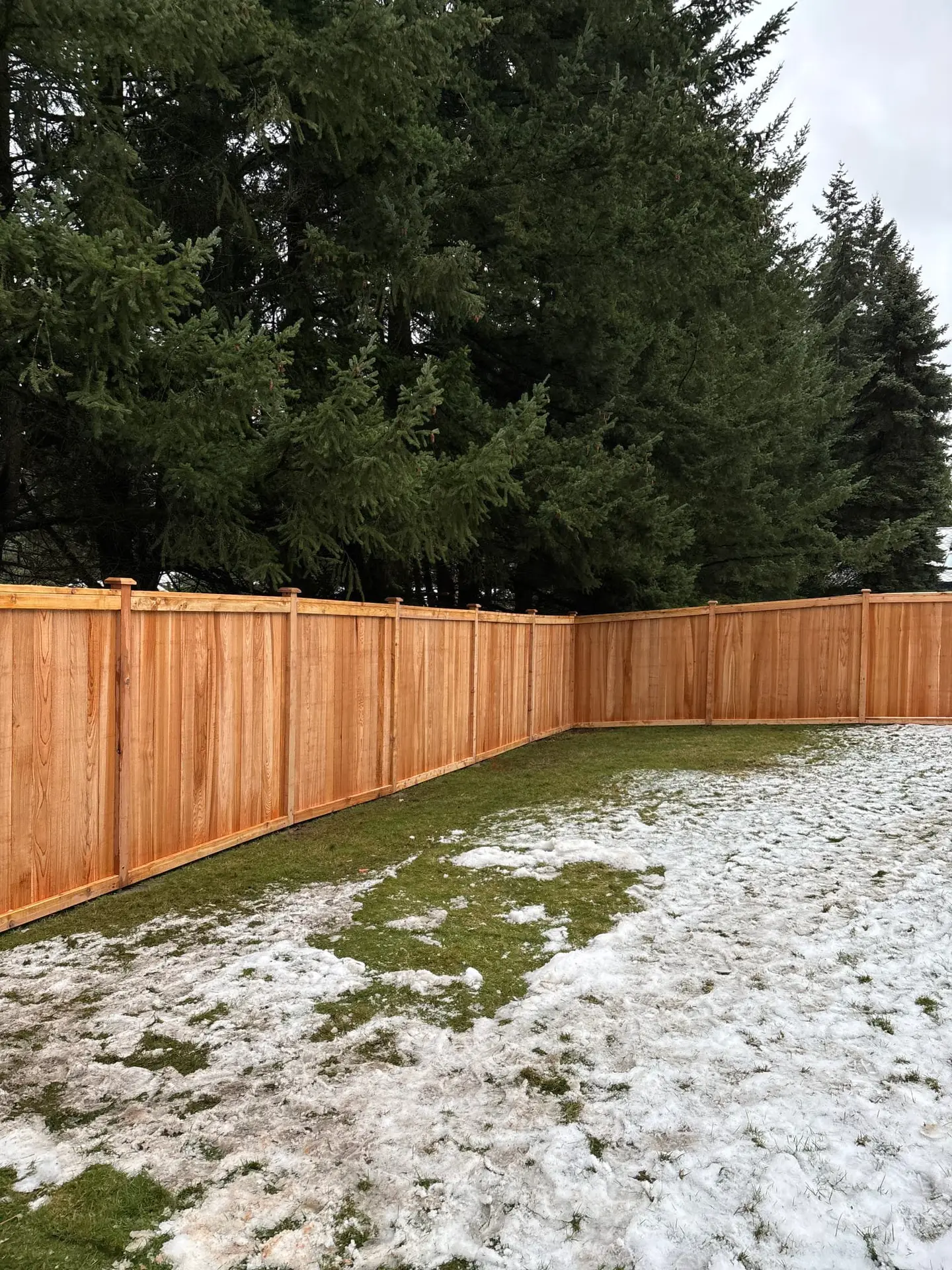
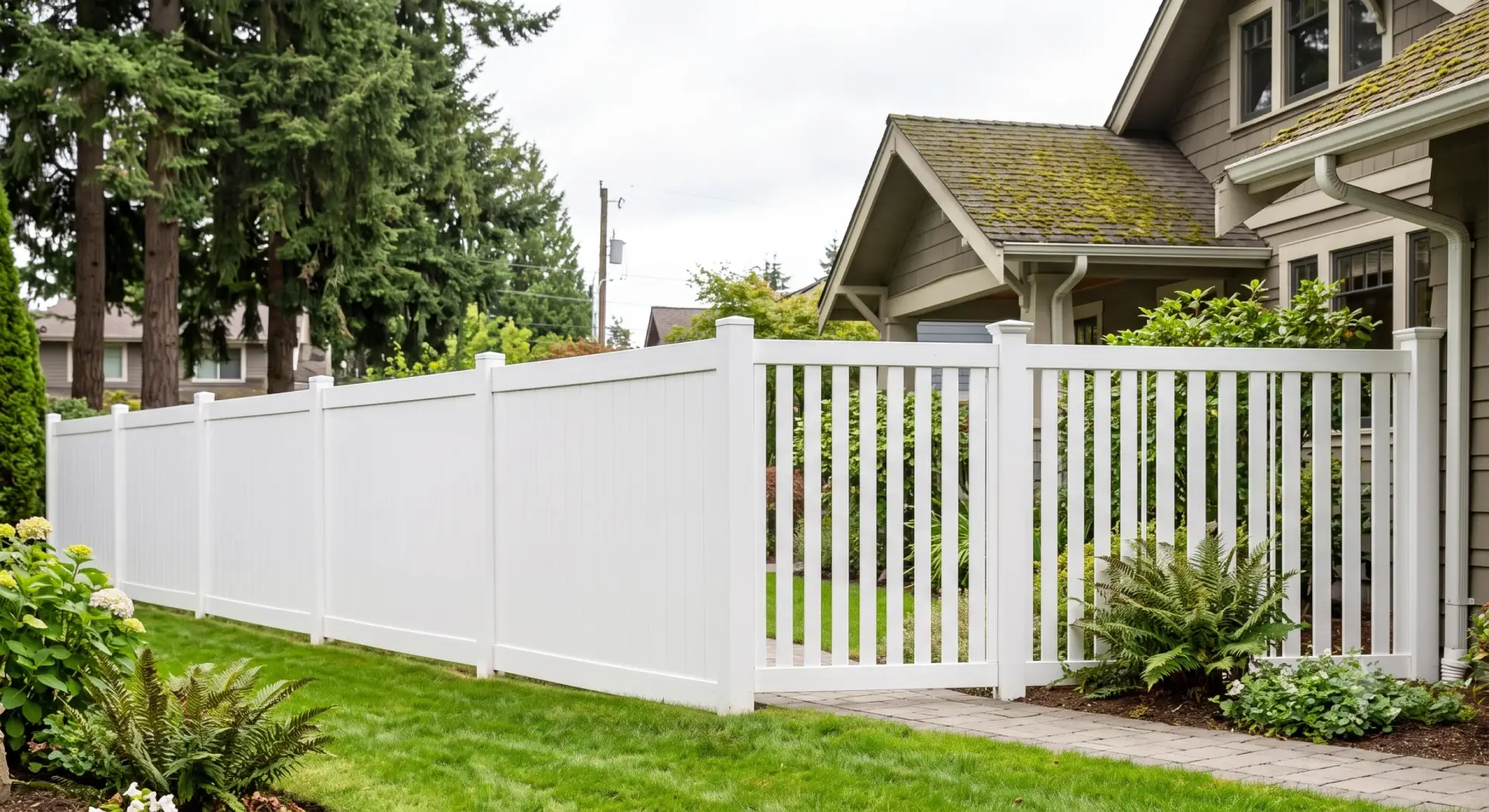
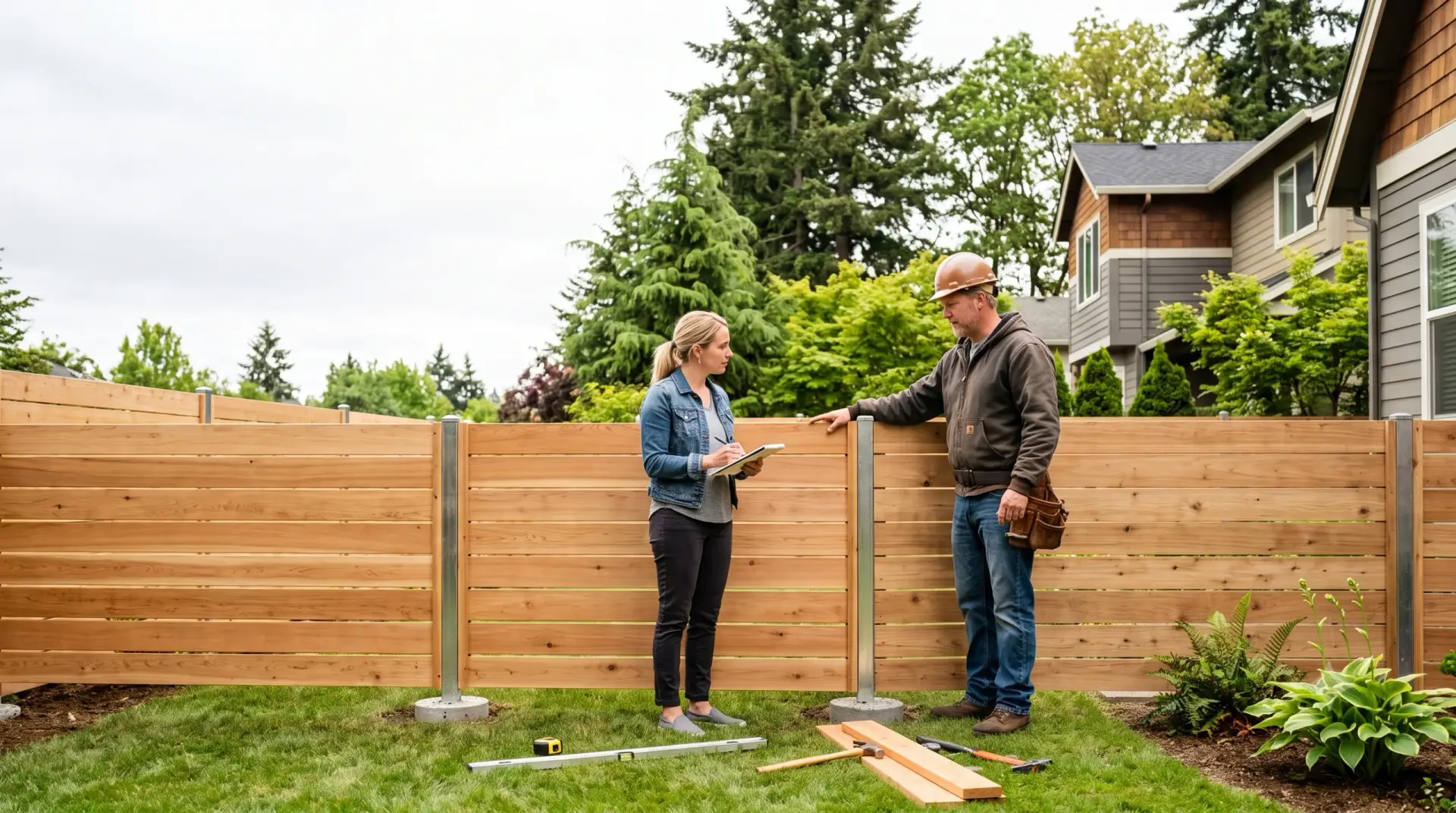
Seattle fence history is full of stories that never made the official records. Before zoning codes and HOA design committees existed, neighbors settled disputes with lumber and nails. The fence between two properties was often the physical manifestation of a grudge, a property line that doubled as a battle line. Today, companies like Cool Cat Fence help homeowners navigate modern fence rules and regulations set by the city and by HOA rules in their community association. But a century ago, the only rule was whoever built taller, won.
Spite fences were the most dramatic example of this era. Literal monuments to bad blood, they rose 20, 30, even 40 feet into the sky with no purpose except blocking a neighbor’s view, light, or enjoyment. Seattle’s rapid growth from frontier settlement to booming city created fertile ground for these feuds. The lumber was cheap. The grudges were not.
The Era of Spite Fences
A spite fence is not just an ugly fence. It is a real legal term describing a structure built with no legitimate purpose other than to annoy, injure, or block a neighbor. In late 19th century America, when urban and frontier towns were growing fast, boundary lines were fuzzy and tempers were short. Fences became weapons.
The most famous American example is the Charles Crocker fence in San Francisco. In 1876, the Central Pacific Railroad baron offered to buy his neighbor Nicholas Yung’s modest home on Nob Hill. Yung refused. Crocker responded by erecting a 40-foot wooden wall around three sides of Yung’s property, blocking all sunlight and fresh air. The towering barrier turned Yung’s home into a dark, suffocating box. Newspapers covered the spectacle. Tourists visited to gawk. The fence became a symbol of Gilded Age arrogance and capitalist pettiness.
Similar spite fences appeared nationwide in the late 1800s. Some reached 30 feet or higher, built of wood planks, brick walls, or corrugated iron sheets. The sole purpose was always the same: ruining a neighbor’s property enjoyment without technically trespassing.
Massachusetts and New Hampshire passed the first anti-spite fence laws in 1887, treating such fences as a form of private nuisance. Over time, more states followed. Washington eventually became one of about 14 states with explicit spite fence statutes on the books. Although Seattle’s early records are patchy, the national trend influenced how local courts and legislators thought about structures built with malicious intent between neighbors.
Washington’s Spite Fence Law
Washington’s specific statute, RCW 7.40.030, gives courts power to act when a fence or other structure is maliciously erected to spite, injure, or annoy an adjoining property owner. Judges can issue injunctions that halt construction or require removal of an existing spite fence. This applies statewide, from Seattle and Tacoma to Bellevue and rural Eastern Washington.
The word “malicious” is central to the law. A tall or ugly fence is not automatically illegal if it serves a genuine purpose like privacy, security, or containing pets and children. Proving a spite fence usually means showing that the structure provides no meaningful functional benefit and would not have been built but for the neighbor conflict.
Consider a scenario: a homeowner loses a zoning dispute and, the following month, erects a towering blank wall only on the side facing that specific neighbor’s house, with no similar treatment elsewhere on the property. That pattern suggests the structure exists solely to cause distress. By contrast, a standard six feet privacy fence shared along a property line rarely qualifies as a spite fence if it meets local laws and there is some plausible utility.
For homeowners who want to avoid even the appearance of malicious intent, working with professionals for residential fence installation helps ensure the project has a clear, documented purpose that would hold up in court if a neighbor ever raised questions.
From Frontier Justice to City Codes
Early Seattle handled fence disputes informally, neighbor to neighbor or in small local courts. Today, the Seattle Department of Construction and Inspections (SDCI) provides the framework every homeowner lives within. 1 The shift took over a century, but the result is a predictable set of rules and regulations that replaced personal vengeance with standardized guidelines.
Current Seattle fence code sets these limits for residential zones:
Fence Location | Maximum Height | Notes |
Side and rear yards | 6 feet solid | Plus up to 2 feet of open features (lattice, trellis) |
On retaining walls | 9.5 feet total | Combined wall and fence height |
Front yards | 4 feet | Open-style fencing required for visibility |
Fences in Seattle do not count toward lot coverage limits, unlike sheds or garages. This is one reason fences became a popular way to carve out privacy on small city lots without triggering density restrictions.
You typically do not need a permit for fences up to 8 feet tall that do not include masonry or concrete sections over 6 feet and are not located in a flood-prone or environmentally critical area, as long as you also comply with other laws on critical areas and floodplain regulations. 2 For code-compliant cedar fence installation, many homeowners now rely on professionals who know these height and placement rules and regulations and SDCI guidelines by heart.
The HOA Layer: How Homeowners Associations Shape Fence Design
On top of Seattle’s municipal code, many neighborhoods in the metro area have homeowners associations or similar community associations with their own HOA fence rules and regulations. These community rules add another layer of regulations that can catch homeowners off guard.
Common HOA rules for fences and views include rules homeowners see in any community:
- Limited material lists (cedar or composite only, no chain-link)
- Approved color palettes (neutral earth tones)
- Style requirements (horizontal boards, “good neighbor” designs)
- “Good side out” orientation facing streets and neighbors
- Board approval required before any construction begins
- Height limits below city maximums to preserve views
Stricter regulations appear in high-value areas like Mercer Island, West Bellevue, and view-oriented communities on Queen Anne and Magnolia. These governing documents may cap fence heights well below the city’s six feet limit to protect lake or skyline vistas for the entire neighborhood.
What Your HOA Board and Board Members Look For in Fence Projects
HOAs typically require owners to submit drawings, material samples, and site plans to an architectural review committee before installing or replacing any fence. The review process can take 30 to 60 days. Skipping this step invites trouble.
CC&Rs as Legally Binding Fence Rules and Regulations in an HOA Community
The stakes are real. Violations of HOA rules and regulations can trigger warning letters, daily fines of $50 to $500, or orders to tear out a brand-new, expensive fence at the homeowner’s expense. 3 HOA rules and regulations are legally binding for homeowners who agree to abide by them upon purchasing a home in the community. HOA rules are typically outlined in governing documents such as CC&Rs, bylaws, and articles of incorporation. Before scheduling installation, review your HOA’s CC&Rs carefully and get written approval.
What Modern Homeowners Should Know
Seattle’s fence fights today rarely involve 40-foot walls or national newspaper headlines. But disagreements over height, views, and style remain one of the most common sources of property disputes between neighbors. A few best practices can prevent most problems.
Talk with your neighbor before building along a shared property line. Confirm boundaries with a recent survey or clearly marked plat. Always verify both Seattle city code and any HOA rules before signing a contract. Under Washington’s boundary fence statutes (RCW 16.60), property owners can often request that neighbors share up to 50 percent of reasonable construction and maintenance costs when both sides use and benefit from a fence on the property line.
Using licensed contractors familiar with local setback requirements and height limits helps avoid unintentionally creating a nuisance or code violation that becomes a legal dispute years later. A well-designed, compliant fence tends to raise curb appeal and resale value. An illegal one, or a fence that sparks a fight, can quickly erase that value.
For design advice, material selection, and installation that respects both the law and the neighbor across the line, homeowners throughout the region contact Seattle fencing professionals at Cool Cat Fence.
From Grudges to Guidelines
Seattle fence history reflects a shift from personal vendettas and makeshift boundary lines to a layered system of state laws, city codes, and HOA covenants. Fences now communicate shared standards more than individual grudges. That evolution took over a century of legal refinement.
The lesson for modern homeowners is simple: build with intention, clarity, and neighborliness, not irritation.
Frequently Asked Questions
Are spite fences legal in Washington?
No. Washington’s RCW 7.40.030 allows courts to stop or remove fences and similar structures that are maliciously erected to spite, annoy, or injure an adjoining property owner. Courts can issue injunctions to prevent construction and can order the removal of existing structures that qualify as spite fences. Proving a spite fence usually requires showing malicious intent and no legitimate functional purpose.
Are spite fences legal in Oregon?
Oregon does not have a clearly defined statewide “spite fence” statute that mirrors Washington’s RCW 7.40.030. Instead, extreme fence disputes are usually handled under general nuisance law – for example, ORS 105.505 on remedies for private nuisance – together with Oregon’s boundary and partition fence rules in ORS Chapter 96 and any applicable local ordinances. If a fence in Oregon clearly appears to be built in bad faith with no purpose except annoying a neighbor, consulting an Oregon real estate attorney and reviewing local laws is advisable. 4
What is the maximum fence height in Seattle?
Residential fences in Seattle can generally reach 6 feet solid, with up to 2 additional feet of open features like lattice or trellis. Total height for fences built on top of retaining walls is capped around 9.5 feet. Front yard fences are usually limited to about 4 feet with open-style construction. Special zones or corner lots may have extra visibility rules, so checking with SDCI is wise for unusual situations.
Do I need a permit to build a fence in Seattle?
Most standard residential fences up to 8 feet tall do not need a construction permit, as long as any masonry or concrete sections stay under 6 feet and the site is not in a flood-prone or environmentally critical area. Taller or more complex structures, or fences in regulated environmental zones, trigger SDCI review and permitting with associated fees and inspections.
Can my HOA regulate my fence?
Yes. Homeowners associations can regulate fences through CC&Rs and architectural standards, controlling materials, color, placement, and height within the limits of federal laws and state laws. Federal, state, and local laws supersede HOA rules, meaning HOA regulations must comply with these laws. Many HOA board members take these rules seriously. Violations may lead to fines or enforced removal at the owner’s expense. Owners in any HOA community should always obtain written board approval before building or altering a fence.
Do police enforce HOA rules?
Local police do not typically enforce HOA rules the way they enforce criminal laws or city ordinances. Instead, the HOA enforces its own rules and regulations through warning letters, fines, and, in extreme cases, civil actions under the community’s governing documents.
How does an HOA enforce rules about fences?
An HOA enforces rules about fences by using the tools in its CC&Rs and bylaws: architectural review requirements, violation notices, deadlines to correct non-compliant work, and escalating fines. If a homeowner refuses to comply, the HOA can pursue legal remedies spelled out in its governing documents.