Wood fence installation in Portland requires more planning than choosing a fence style. Posts, gate placement, site access, maintenance, property boundaries, and local regulations can all affect the project.
Portland homeowners must also account for frequent rain and prolonged moisture exposure in the Pacific Northwest. Material selection, ground contact, drainage, and the way posts are set can affect long-term performance. Before approving an estimate from Cool Cat Fence or comparing local fence installers in Portland, ask how the proposed design fits your property, privacy needs, security goals, and budget.
Which Wood Fence Style Fits Your Portland Area Property?
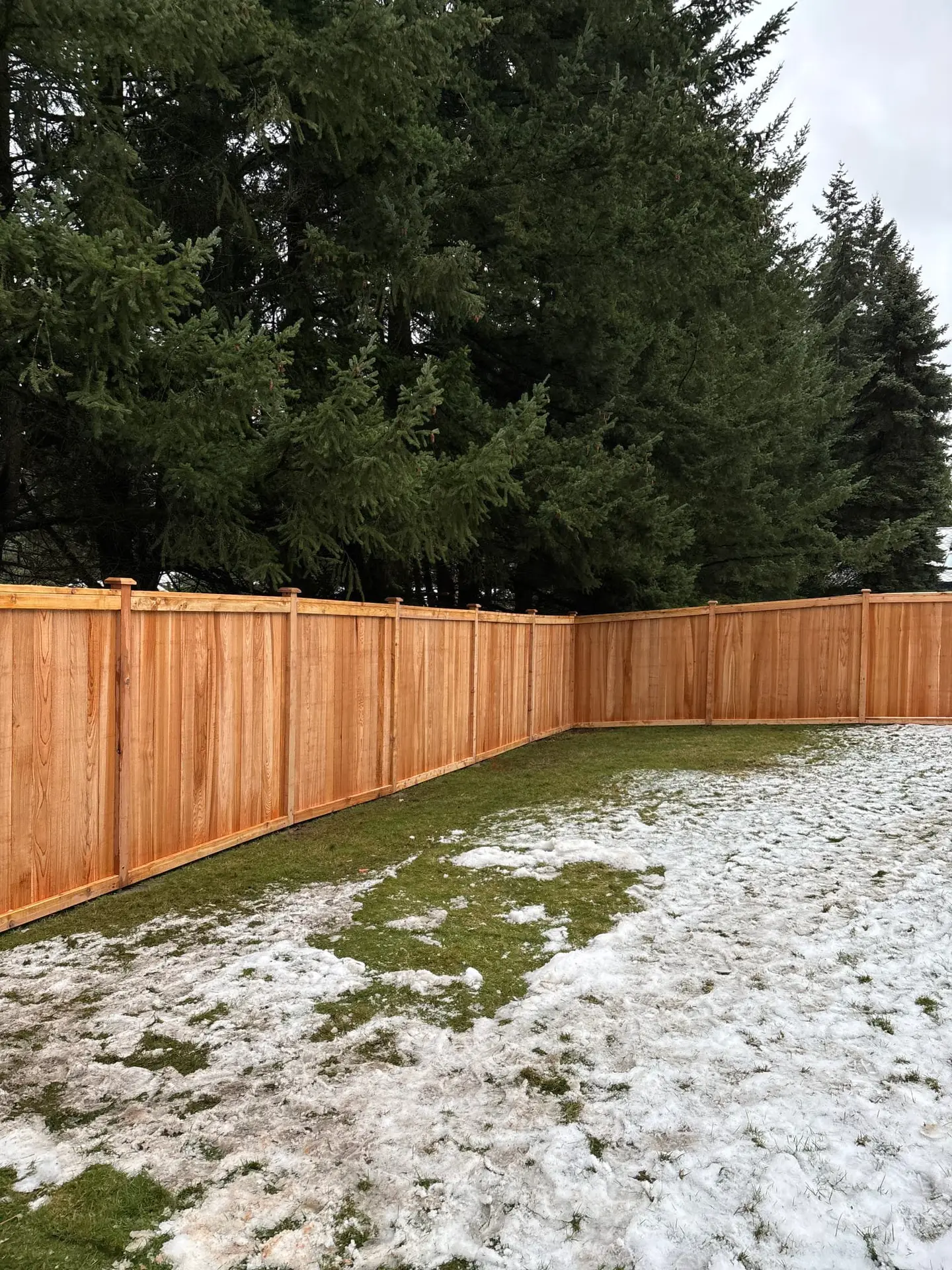
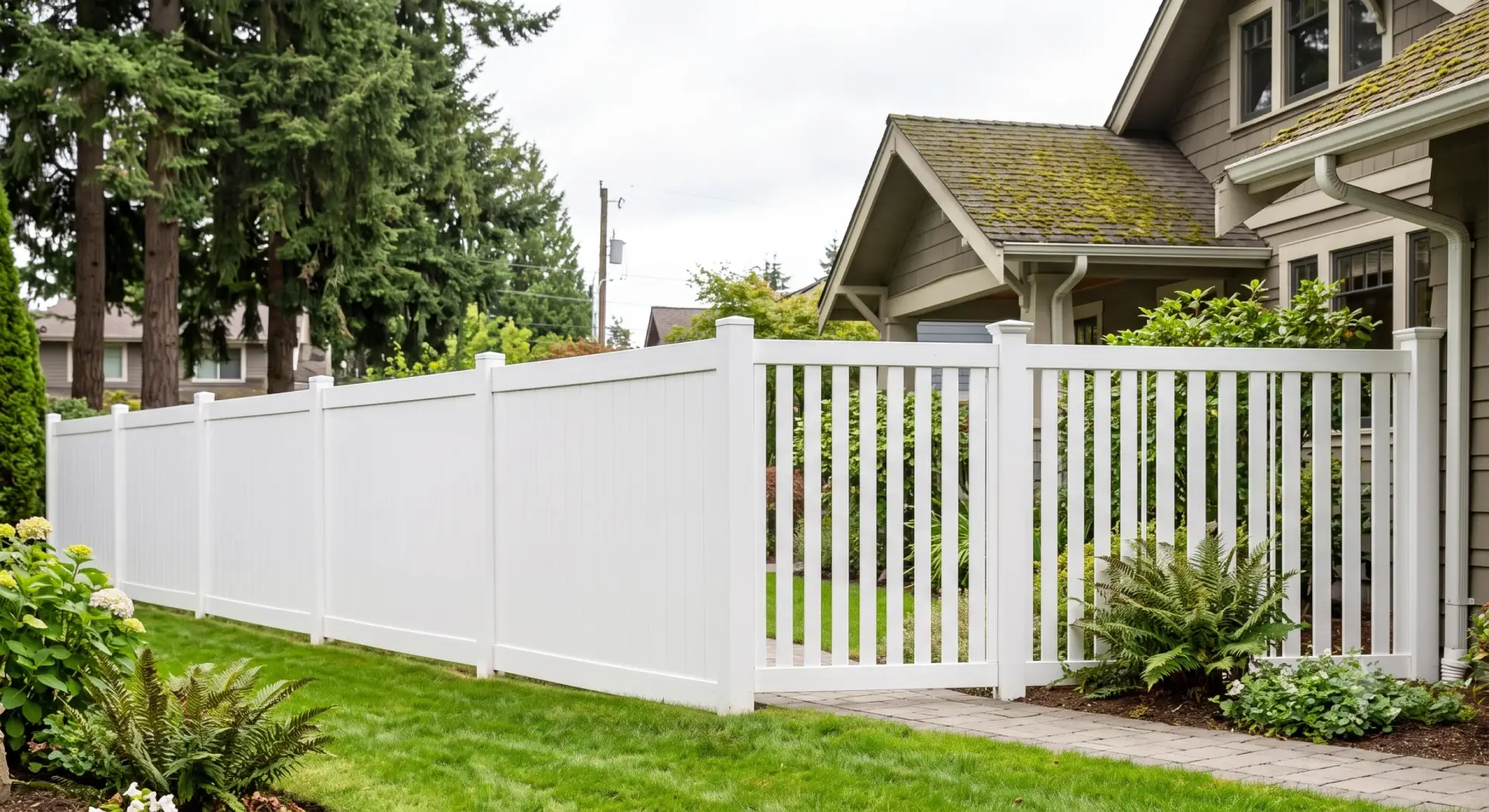
The first step is deciding what the fence needs to provide. A solid wood fence can enhance backyard privacy and help define outdoor living spaces, while a more open design can serve as a boundary without blocking views.
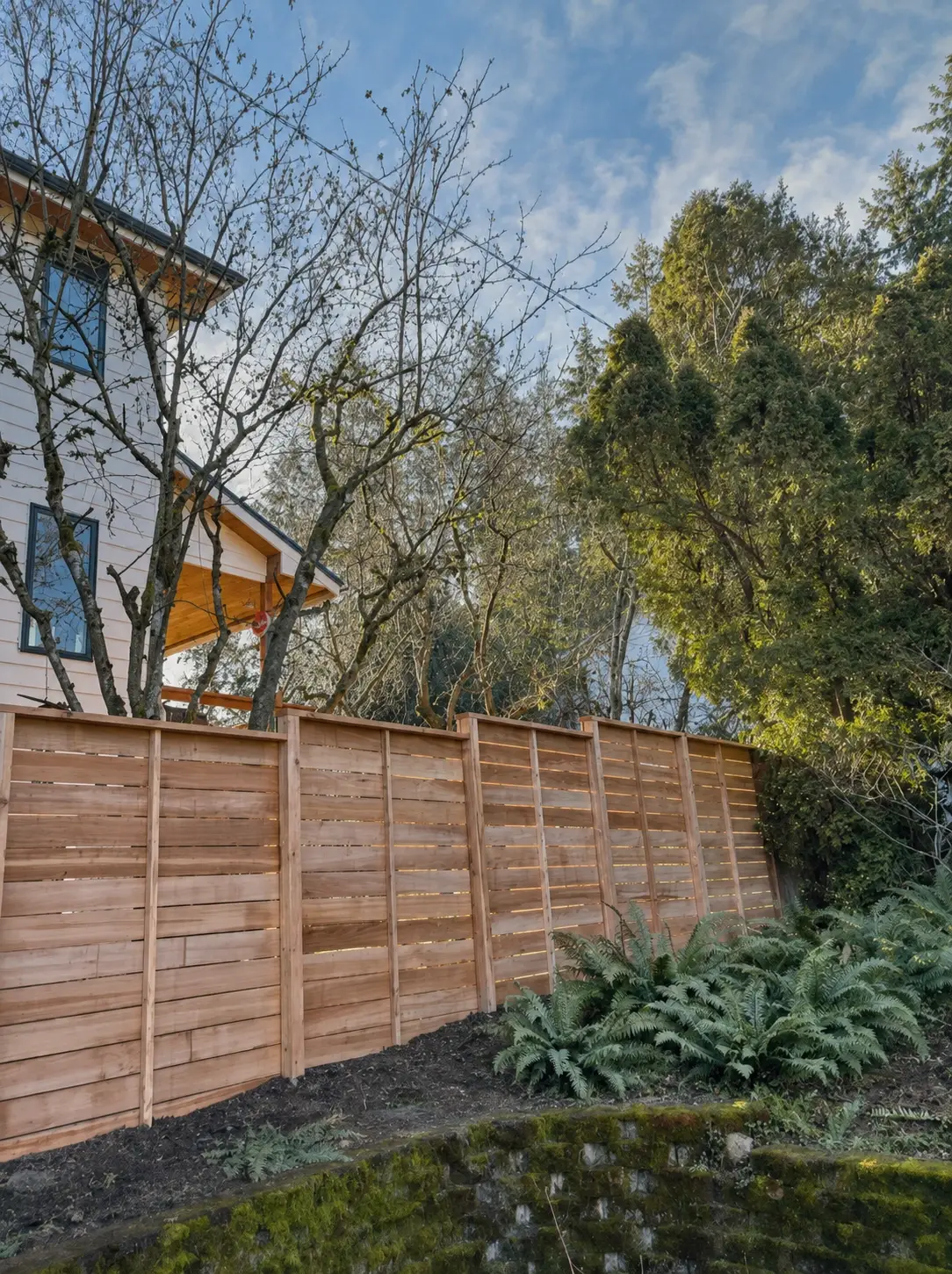
Cedar wood fences offer natural beauty, durability, and several design options. Homeowners interested in a contemporary appearance can explore different horizontal fence styles. For inspiration, compare the visual effect of horizontal and vertical boards and consider how the fence will relate to an existing deck, patio, or landscaping. Some creative fences combine horizontal cedar boards, planned height changes, or hog wire sections to balance privacy and visibility. The right layout can transform the yard’s appearance and function while still meeting the fence’s primary purpose.
Ask the installer about:
- Privacy levels and board spacing
- Horizontal or vertical board placement
- Appropriate fence height
- Compatibility with the home and backyard
- Materials suited to Portland’s wet climate
Portland’s residential fence guidance states that any part of a wood fence that touches concrete or sits within six inches of the ground must be pressure-treated or made from a naturally decay-resistant species such as cedar or redwood. Pressure-treated wood installed below grade must be approved for ground contact. The final recommendation should also reflect the site conditions and preferred design.
What Quality Craftsmanship Looks Like in a Horizontal Cedar Fence Project
Our team completed a horizontal cedar fence installation in Seattle that shows why board layout, post construction, and height changes should be planned together. We removed and hauled away the old fence before installing 89 linear feet of clear cedar fencing with cedar posts mounted on pipe supports. The finished layout included 14 feet of four-foot fencing, six feet of five-foot fencing, and 69 feet of six-foot fencing.
The project was completed on January 24, 2025. Using three custom heights allowed the fence line to respond to different privacy and property-layout needs while maintaining a consistent horizontal cedar design. We are proud of how the finished layout combined three distinct heights with a consistent appearance, reflecting the pride our team takes in planning each section around the property’s practical needs. Portland homeowners can apply the same planning principle when discussing fence height, board orientation, posts, and site conditions with an installer.

What Should You Ask About Fence Posts?
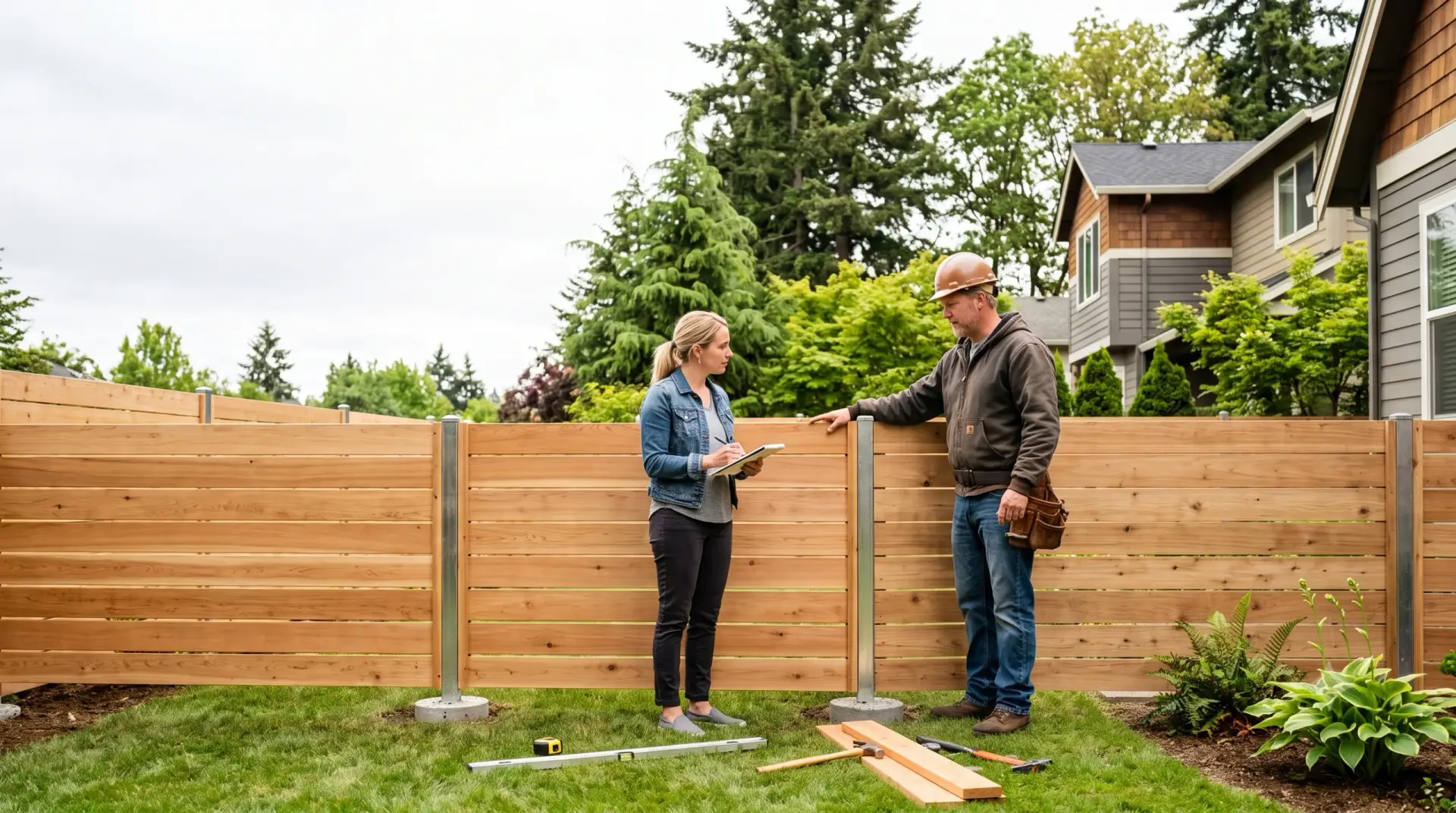
Posts support the entire fence. The estimate should identify the proposed post material, spacing, footing method, and protection against moisture.
Existing concrete, tree roots, large trunks, slopes, and narrow access can influence post placement and the installation process. Ask whether these conditions have been considered before the materials and final plan are approved.
Portland’s standard construction requirements for wood, metal, or wire fences taller than seven feet but no more than eight feet call for posts spaced no more than six feet apart and concrete footings at least 18 inches in diameter and three feet deep, unless the fence is designed by an Oregon-licensed engineer. Confirm the current requirements through Portland’s residential fence guidance.
How Should Gates Be Planned?
Gate placement should support how the property is used. Consider regular walking routes, equipment access, landscaping, nearby structures, and the width of anything that must pass through the opening. Ask what needs to be ready before installation begins, especially if landscaping, stored items, or access routes could obstruct the crew.
Ask the contractor to explain:
- Gate location and width
- Opening direction
- Post support
- Hardware
- Number of access points
These decisions should be made before the posts are installed. Moving a gate after installation begins may require changes to the original fence layout.
Fence Installation — Portland, OR: Rules for Wood and Chain Link Fences
According to the City of Portland’s fence permit requirements, a permit is required for:
- Wood fences over seven feet
- Concrete or masonry fences over four feet
- Chain-link or woven wire fences over eight feet
- Swimming pool barriers of any height
In many Portland zones, fences within front building setbacks are limited to 3½ feet, while fences up to eight feet may be allowed in side and rear setbacks. Different rules may apply to corner lots, overlay zones, and plan districts. Total height is measured from the grade below the fence and includes posts, lattice, trellises, and other material above it.
Keep the fence and all footings inside the property lines. Portland’s zoning guidance recommends confirming uncertain boundaries through a survey and notes that neighbors are not required to provide access to their property. Follow the applicable setback rules and obtain permission before using an adjoining property for temporary installation access.
Before digging, submit a utility locate request through Oregon 811 to have underground utilities marked and reduce the risk of damage. For fence-post excavation, submit the request at least two full business days, but no more than 10 business days, before digging. Excavation should not begin until the legal start time shown on the ticket and all listed utility operators have responded.
What Maintenance Does a Wood Fence Need?
Cedar provides natural beauty and durability, but it is not maintenance-free. Ask how the boards, posts, finish, and gate hardware should be cleaned, protected, and inspected.
If minimal upkeep is the priority, review how wood and vinyl fencing compare before selecting a material. Vinyl requires little to no maintenance, while wood may need additional care to preserve its appearance.
The installer should explain how each option performs in Portland’s climate and how its appearance may change over time. This allows homeowners to compare long-term maintenance requirements and overall value rather than focusing only on the initial design.
What Should a Fence Estimate Include, and Does the Contractor Offer Financing?
A detailed estimate should clearly define the installation services included in the price. Before comparing contractors, confirm that every quote addresses the same scope:
- Fence style, materials, posts, and gates
- Site preparation and removal work
- Existing concrete, trees, and difficult access
- Permit and inspection responsibilities
- Cleanup and any excluded services
- Oregon Construction Contractors Board license number
- Free estimate availability, quote validity period, and financing options
Competitive pricing is meaningful only when contractors are pricing equivalent work. Customers should also ask how the crew will work efficiently around access constraints and request recent examples if a company promotes decades of experience.
Ask who will assist with project questions and whether a dedicated office contact is available by phone. This helps clients evaluate the company’s communication and professionalism. A contractor committed to the approved scope should explain schedule, material, or price changes before completing additional work.
A clear plan makes it easier to compare contractors fairly. If you are planning a wood fence in Portland, our team can review the property, discuss the available options, and prepare an estimate based on the actual installation requirements.
FAQ
What wood is suitable for a fence in Portland?
Cedar and pressure-treated lumber can both be suitable for Portland’s wet climate. Cedar is naturally resistant to decay, while pressure-treated lumber provides additional protection against moisture-related deterioration. Pressure-treated lumber installed below grade must be approved for ground contact.
Does a wood fence require a permit in Portland?
Wood fences taller than seven feet require a permit in Portland. Additional requirements may apply based on the fence material, location, base zone, overlay zone, or plan district.
How deep should fence posts be in Portland?
For wood, metal, or wire fences taller than seven feet but no more than eight feet, Portland requires posts spaced no more than six feet apart and concrete footings at least three feet deep and 18 inches in diameter unless an Oregon-licensed engineer provides the design.
Should property lines be surveyed before fence installation?
A professional survey is recommended when the boundary is uncertain. The fence, posts, and concrete footings must remain within the property lines.
How long does wood fence installation take?
There is no standard installation timeline for every wood fence. Project duration depends on the total linear footage, removal work, site access, existing concrete, tree roots, gate configuration, permitting, weather, and required preparation. Instead of assuming the work will be completed within a set number of days or weeks, ask whether the proposed schedule includes demolition, installation, inspections, and cleanup.
Is cedar fencing maintenance-free?
No. Cedar is naturally durable, but it still needs periodic inspection and cleaning. Any stain, sealer, or paint should be maintained according to the product manufacturer’s instructions. Homeowners seeking lower-maintenance fencing may also consider vinyl.