A backyard fence sounds simple until the yard starts arguing back. The dog has a favorite digging corner. The gate catches after heavy rain. The neighbors are close enough that the patio never feels fully private. One side of the yard slopes, another holds water, and the old posts are not as straight as they looked from the kitchen window.
That is why the best fence ideas for backyard planning should start with daily use, not just style. At Cool Cat Fence, we look at how the yard actually works before talking about the final product. A new fence for a quiet garden does not need the same fence design as a yard with pets, kids, side access, storage, and neighbors just a few feet away. That kind of planning is also where quality craftsmanship starts, long before anyone sets a post.
A great fence is not the fanciest option on the list. It is the right fence for the property, the people using it, and the weather it has to live through. When it is planned well, a completed fencing project can add immediate privacy and security, especially in dense neighborhoods where outdoor space feels exposed.
Fence Ideas for Backyard Privacy for Seattle Homeowners Start With Real Sightlines
Privacy is not only about height. That sounds strange at first, but it is true. A six-foot wood fence may block one neighbor perfectly and do almost nothing for another view if the grade changes. A patio might need privacy on just one side. A back fence near trees may not need to be solid at all. In dense Seattle neighborhoods, privacy is rarely about blocking everything. It is usually about the angles that affect daily life: a patio seating area, a neighbor’s window, an open alley view, or a corner of the yard that feels too visible.
Seattle guidance generally allows fences 8 feet high or lower without a permit, as long as they do not include masonry or concrete elements over 6 feet and no special site conditions apply.1 That gives homeowners room to plan. It does not mean the best fence is always the tallest one. Too much height can make a yard feel boxed in. Too little can leave the problem unsolved.
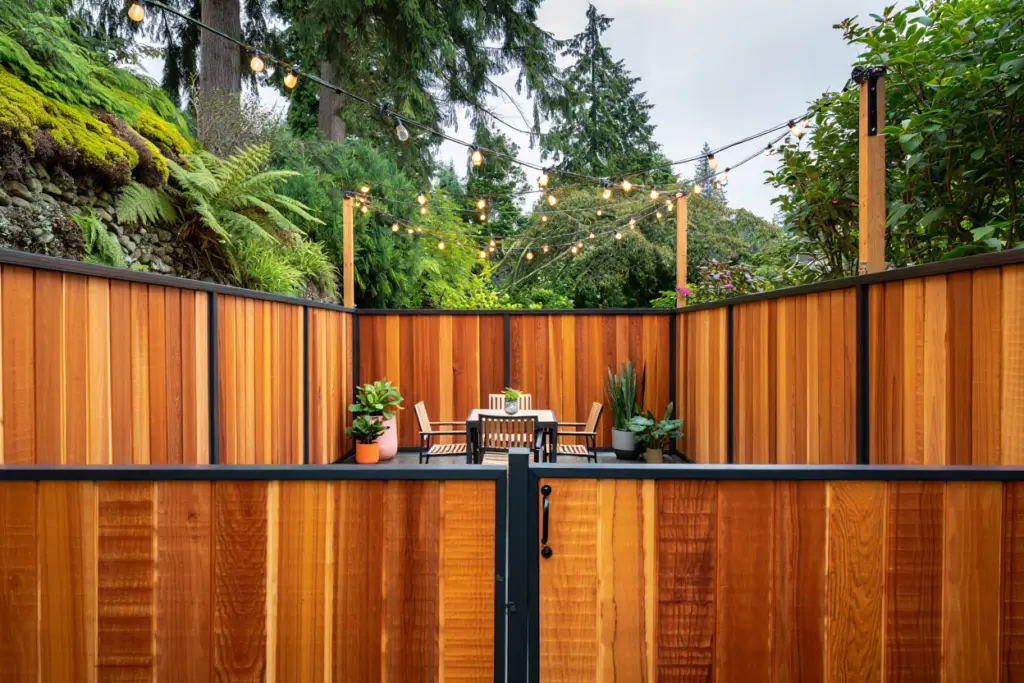
For many Seattle homeowners, the better move is selective privacy. A solid cedar section near the patio. A lower or more open section near a garden. A cleaner gate where the side yard gets daily use. That kind of planning feels less dramatic on paper, but it usually works better.
What a Fence Company Should Ask Before Recommending a New Fence
A fence company should not start with a catalog. It should start with questions, especially in a city where tight lots, rain, pets, and property lines can all shape the final plan.
Is there a dog? Does the dog jump, dig, bark at movement, or push against gates? Homeowners should think through the everyday use before choosing the final fence plan. Trash bins may need room to roll through the side yard. Pets may need tighter gaps. Privacy may matter more near a patio than along the whole property line. Drainage matters too, especially if rain sits near the posts after a storm.
These details affect the job. A narrow gate becomes irritating. A lightweight latch can fail sooner than expected. A fence that does not follow the slope properly can leave gaps near the ground. That may look minor until a dog notices.
This is where professional fencing services should feel practical. The team should talk about posts, gate swing, materials, site access, and schedule. Not in a complicated way. Just clearly enough that customers know what to expect before the installation starts. The best installers on a fence crew are not the ones rushing through the yard; they are the ones who notice small issues before they become expensive problems.
Wood Fence Styles for a New Fence in Seattle Backyards
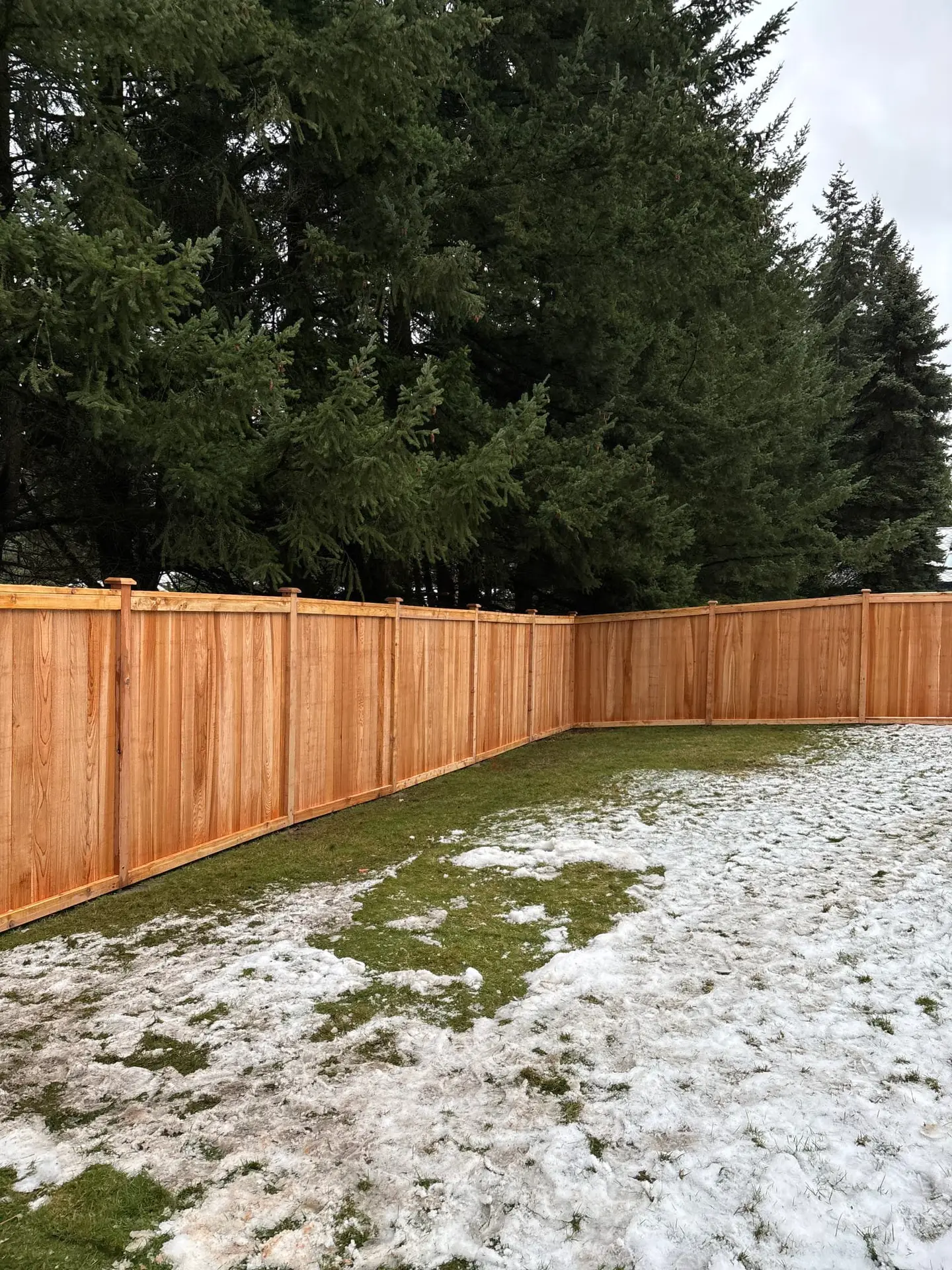
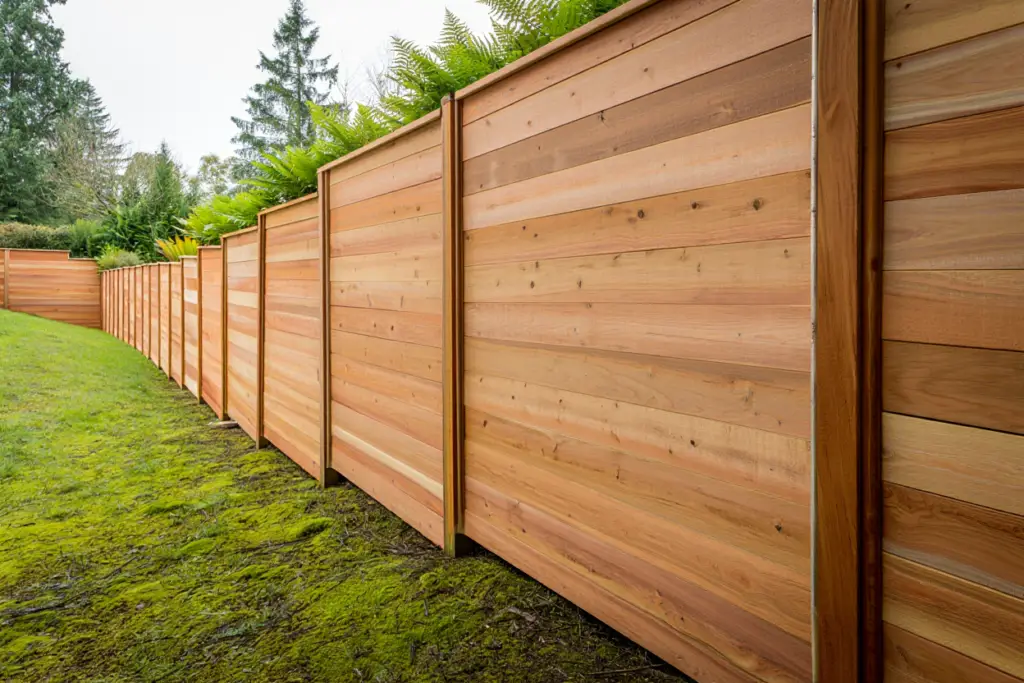
When privacy matters, a wood fence remains one of the most reliable backyard options. Cedar is a particularly good fit for Seattle. It has natural resistance to decay and insects, looks warmer than vinyl or metal, and gives installers flexibility with height, board layout, gates, and transitions.
Still, cedar needs respect. Western Red Cedar is often treated as the gold standard for the Pacific Northwest because it is locally available and naturally resistant to rot. But it is still wood, and wood outside moves. It absorbs moisture, dries out, shifts, and weathers. Smart installation matters, and staining or sealing is often needed to help preserve appearance and protection. Good materials only work as well as the build behind them, especially if the goal is a fence that can hold up for decades, not just look clean for one season.
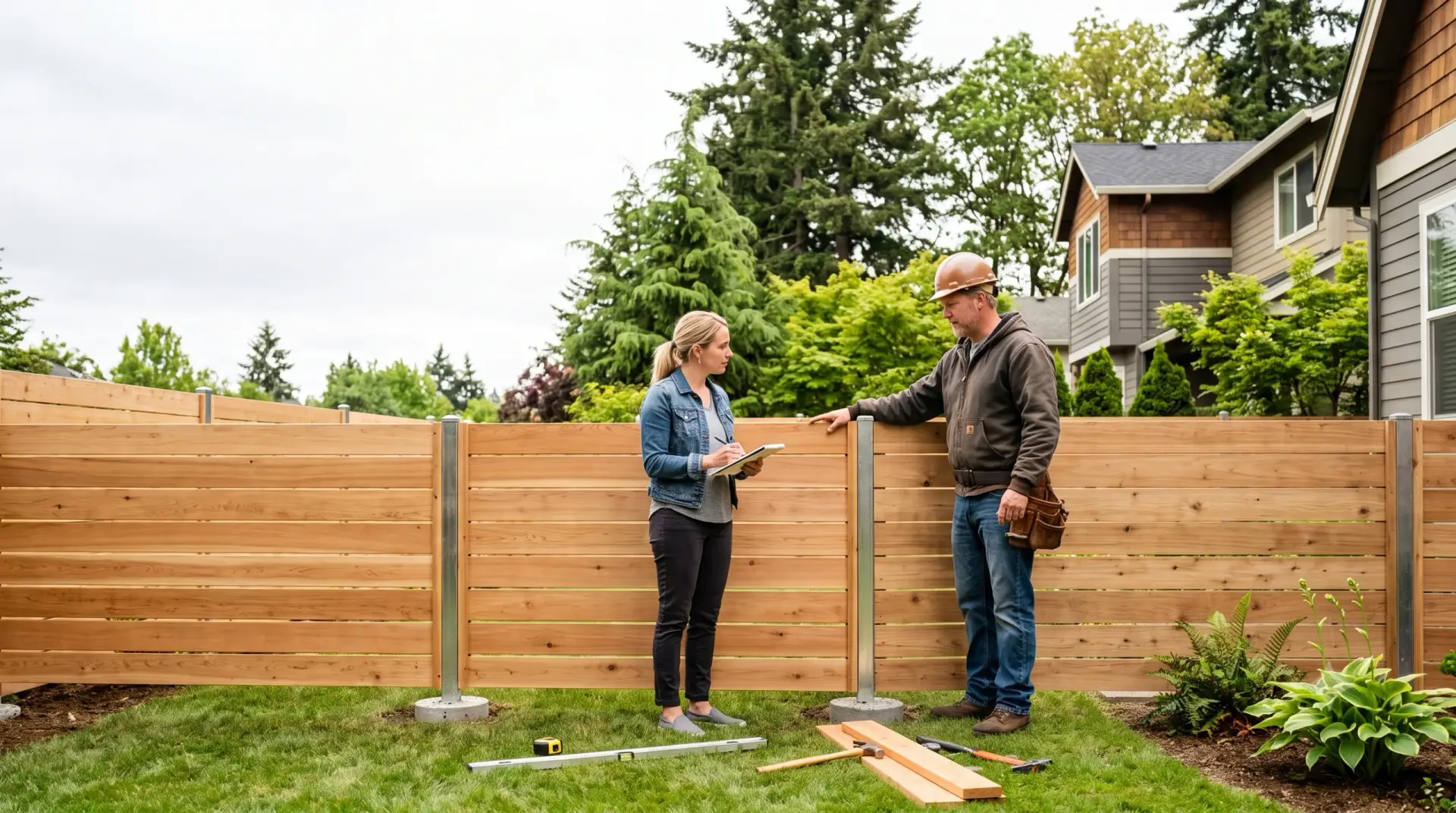
Traditional fence styles often include picket, split rail, and post-and-rail designs, and they can work well when the yard only needs definition. For privacy, full-panel cedar does more. Horizontal fence styles have become popular because they give outdoor spaces a cleaner, more modern look — but only when the boards are aligned well, and the posts are set correctly. Crews that build fences with this level of care have to think about spacing, fasteners, post depth, and how the finished line will look from more than one angle.
Seattle rain is the catch. Drainage, board movement, and post support all need to be planned from the start. Homeowners should also account for weather delays during fence installation, because wet ground, heavy rain, and scheduling shifts can affect when the work starts or finishes.2 In spring, those delays can be even more noticeable because soil may stay wet longer after repeated storms. The fence may look great on day one, but the first wet season shows whether it was actually built well.
Fencing Options and Fence Styles That Fit Privacy, Pets, and Visibility
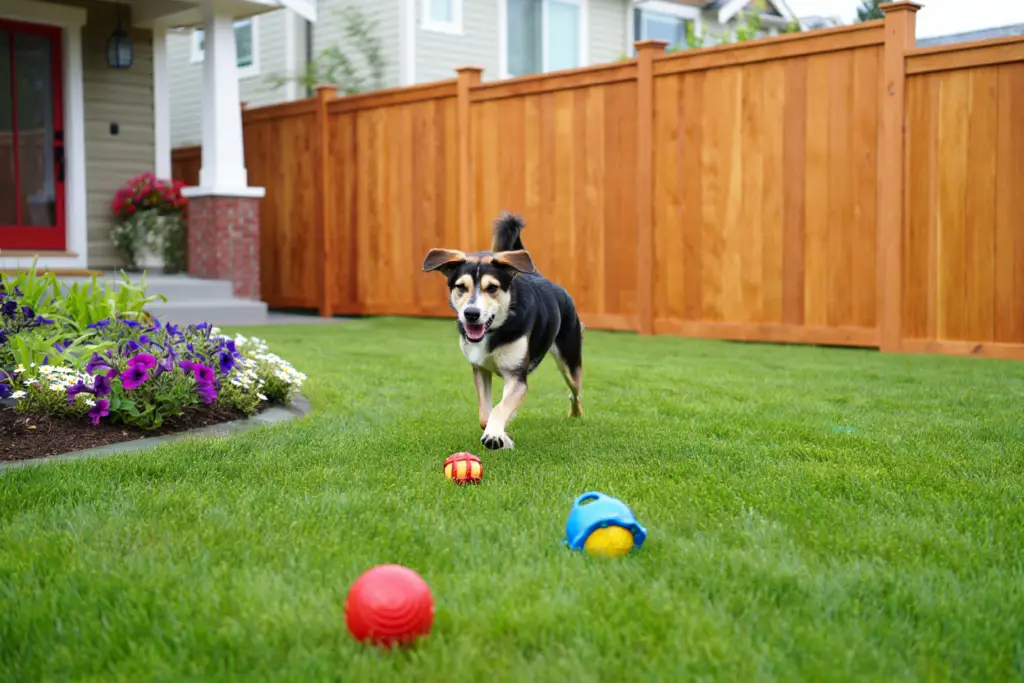
A backyard does not always need one fence style from corner to corner. In fact, many yards work better with a mix, which can be more efficient than forcing one material to solve every privacy, pet, and visibility issue.
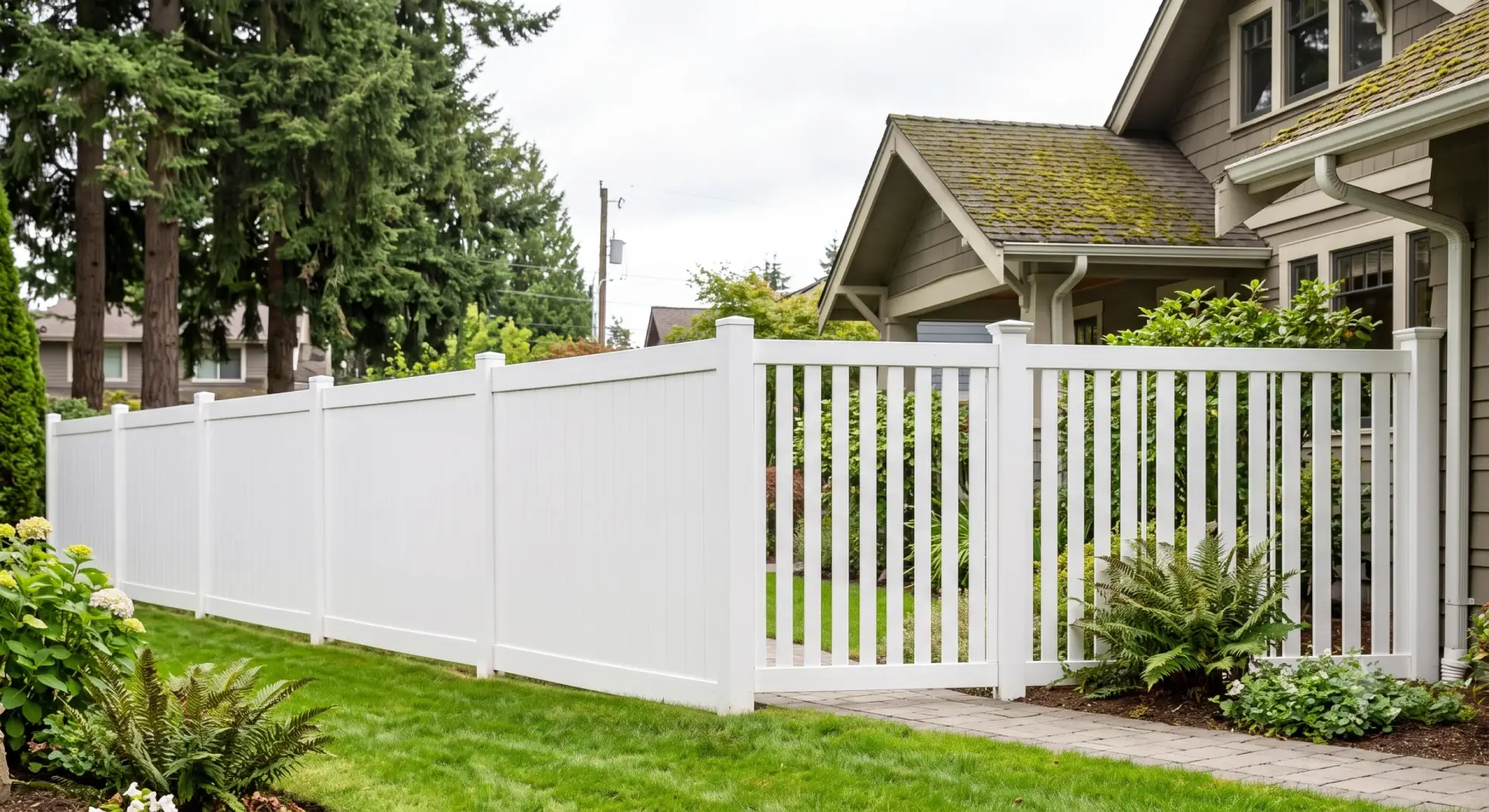
A cedar wood fence may make sense along the patio where privacy matters most. Vinyl is a good fit when homeowners want a fence that does not need regular staining or much surface upkeep. Chain link serves a different purpose. It works well for pets, visibility, and security, especially when the yard needs a clear edge without feeling closed in. For homeowners comparing practical containment options, chain link fence installation in Seattle can be a smart fit because galvanized steel defines the space while still allowing open sightlines.
For gardens, side yards, and open property edges, hog wire fence installation can be a strong middle ground. It keeps the yard visually open, allows airflow, and can still help with containment when the spacing, bottom clearance, and gate details are right.
Ornamental iron is more specific. It should not be presented as a full privacy solution because it is not one. But around a formal garden, a visible side yard, or a space where structure and security matter more than screening, ornamental iron fence installation in Seattle can make sense. Powder-coated aluminum can also suit damp conditions because it resists rust and corrosion, while still keeping light moving through the yard and giving the property a more finished edge.
That is the practical point: fencing options should serve the yard, not force the yard into one style. A good plan should address real concerns first: privacy, pets, slope, drainage, maintenance, and how the space is used every day.
Fence Installation on Uneven Ground Without Gaps
Uneven ground changes almost everything. A flat drawing does not show roots, slope, soft soil, old concrete, drainage paths, or that one corner where rain always collects.
Planning a fence on uneven ground without gaps is especially important for pets and privacy. A stepped fence can look clean, but it may leave triangular gaps near the bottom. A racked fence can follow the grade more closely, although not every material handles that approach well. Custom fitting takes a bit more effort, but that extra planning is often what keeps the final product from looking patched together.
Posts matter here. So do pipe, concrete, brackets, and how the bottom of the fence meets the ground. In damp areas, keeping wood out of constant contact with moist soil can help protect structural integrity over time. Using steel post brackets or a post-on-pipe system can extend a fence’s life by 5–10 years by keeping the wood away from direct contact with wet soil. That detail is not glamorous, but it can decide whether a long-lasting fence stays straight or starts leaning early.
Homeowners are often surprised by this part. The hardest decision is not always cedar versus vinyl. Sometimes it is how the fence should meet the ground.
What Seattle Fence Costs Can Look Like by Material
Cost is one of the first questions customers ask, and it should be handled plainly. A free estimate should explain the service, the materials, the site conditions, and the scope of the job. It should not hide behind vague language.
Seattle fence installation cost can vary by material, design, access, labor, slope, gates, and repairs needed before the new fence is installed. Angi lists Seattle fence installation averages and material ranges by linear foot. These figures are useful for planning, but the real estimate still depends on the site.
|
Fence material |
Seattle cost range per linear foot |
Common backyard fit |
|
Chain link |
$15 to $30 |
Pets, visibility, security, and budget control |
|
Cedar wood |
$25 to $50 |
Privacy, classic Seattle fence look, warmer appearance |
|
Vinyl/PVC |
$25 to $65 |
Low maintenance privacy or semi-privacy |
|
Aluminum |
$30 to $70 |
Open boundaries, decorative structure, visibility |
|
Composite |
$35 to $85 |
Low-maintenance appearance with higher material cost |
A good estimate should also explain what is included. Gates, posts, old fence removal, concrete, slope work, and access can all affect the final cost. Transparent pricing matters because two fence quotes may look similar until the details are compared.
The online form should be the start of that conversation. Some companies offer fast replies, and that is helpful. But speed only helps if the answer is specific to the property. We offer fast communication where possible, but a serious fencing project still deserves a site-aware estimate.
Fencing Services in the Greater Seattle Area for Homes, Businesses, and Real Use
Residential fencing and commercial fencing overlap in some ways, but the priorities are often different. Homeowners usually focus on privacy, pets, gates, curb appeal, and how the yard feels. Businesses may care more about security, access control, visibility, and clear property boundaries.
A full range of fencing services should account for both. That means installation, repairs, material guidance, gate planning, and honest discussion about maintenance. A fully licensed fence company should be able to explain why one material fits a site better than another, not just list every product it sells. That level of judgment matters in an industry where similar-looking fences can perform very differently after a few wet seasons.
For a Seattle fence, rain is part of the job. Wind, damp soil, shaded side yards, and seasonal movement all affect how the fence performs. Materials matter, but so does installation quality. Even the best materials create problems when they are installed poorly. Good workmanship, pride in the details, and practical site planning make the fence easier to maintain and more likely to meet expectations over time.
Key Takeaways Before You Request a Free Estimate
Before scheduling a project, walk the yard slowly. Look at where people sit. Watch where the dog runs. Check the gate path. Notice where water gathers after rain. Think about which neighbors are actually visible, not just where the property line sits.
A fence is part of daily life around the house. It should make the yard easier to use.
Key takeaways:
- Plan privacy from real sightlines, not guesswork.
- Match fence styles to pets, gates, slope, and maintenance.
- Use cedar and other wood materials with moisture in mind.
- Consider hog wire, chain link, or ornamental iron when visibility matters.
- Plan uneven ground before installation begins.
- Ask for a detailed estimate with a clear scope and cost.
- Choose a fence company that explains the site, not just the product.
- Look for professionalism, workmanship, and practical service from the first conversation.
The goal is not just to complete the job. It is to build a Seattle fence that works for homeowners, customers, businesses, neighbors, and the property itself.
FAQ
What are the best backyard fence ideas for privacy?
Solid cedar, full-panel wood, and vinyl fences are common privacy choices. The best option depends on sightlines, yard slope, neighbors, cost, maintenance expectations, and how much of the property needs screening.
What fence is best for a dog?
The best dog fence depends on the dog’s size and behavior. A solid fence can reduce visual triggers, while hog wire or chain link can work if the gate, bottom gaps, and post layout are handled properly.
Is cedar a good fence material in Seattle?
Cedar is popular in Seattle because it has natural resistance to decay and insects. It still needs proper installation, moisture awareness, and maintenance to protect the wood over time.
Is vinyl better than a wood fence?
Vinyl is lower maintenance because it does not need staining or painting. A wood fence gives a warmer, more natural look. The better choice depends on the property, budget, style, and expectations.
Can one backyard use different fence styles?
Yes. Many backyards work better with mixed fencing. A privacy fence may protect the patio, while hog wire, chain link, or ornamental iron may fit another part of the yard better.
How do you handle a fence on uneven ground?
Uneven ground may require stepped sections, racked panels, custom cuts, or adjusted bottom rails. The goal is to reduce gaps without making the fence look awkward or unfinished.
How much does fence installation cost in Seattle?
Costs vary by material, size, access, labor, gates, and design. Angi lists Seattle fence installation ranges by material, including chain link at $15–$30 per linear foot and cedar wood at $25–$50 per linear foot.
How do I get started with a new fence?
Start with the main reason for the fence: privacy, pets, security, appearance, or repairs. Then request a free estimate so the team can review the yard, materials, installation needs, and schedule.