A 100-foot fence sounds easy to price. Measure the line, choose a material, multiply by the price per foot, and you should have the number. Then the quotes come in, and they do not match. Length alone does not explain how much fencing costs once access, gates, removal, and site conditions enter the picture.
That does not always mean someone is overcharging. It usually means each contractor is pricing a slightly different project. One quote may include old fence removal, stronger posts, gate hardware, cleanup, and site prep. Another may only cover the basic fence installation, not the full scope of professional fence installation.
In the Portland metro area, the yard can change the cost of a new fence fast. Wet soil, slope, roots, narrow side access, old concrete, gates, and permit questions all affect labor costs and the final cost. For homeowners comparing options, Cool Cat Fence works with wood, cedar, vinyl, chain link, wrought iron, and other residential fence installation projects across the region.
Why 100 Linear Feet Is Only a Starting Point for a Fence Project
A 100-foot fence is a useful planning number because it feels specific. It may cover one long property line, part of a backyard, or a side yard that needs privacy and security.
Still, 100 linear feet does not tell the full story. A straight chain link fence on open ground is very different from a cedar privacy fence with two gates, an old fence to remove, and uneven soil near the fence line. Same length. Different work.
That is why per linear foot pricing helps with early fence pricing, but it should not be the only thing homeowners compare. It gives homeowners an average fence cost starting point, not an accurate quote for the actual yard.
Quick Planning Snapshot for the Cost of a New Fence
These are planning notes, not a fixed Portland price sheet. For broad planning, the average cost for fence installation is $20 to $60 per foot, while many complete projects fall between $4,000 and $12,000. Many homeowners spend about $40 to $58 per linear foot for materials and labor, but the actual number depends on the full scope.
Cost factor | What can change the quote |
Fence material | Wood, cedar, vinyl, chain link, and wrought iron all price differently |
Gates | Gates need hardware, stronger posts, and careful alignment |
Existing fence | Old fence removal can add labor, hauling, and site prep |
Site conditions | Roots, slope, soft soil, and tight access can slow the work |
Permit questions | Some projects may need city review depending on height and location |
Labor | Labor rates change with project complexity and access |
A low number can look good at first. The problem comes when missing details show up later as extra cost, especially when several factors were not included in the original scope.
How Chain Link Fences, Vinyl, and a Cedar Privacy Fence Change Fence Cost
Fence material is usually the first big cost difference, and it can shift the average fence installation cost before labor, gates, or removal are even considered.
- Chain link is often the affordable option when the goal is security, pets, or a clear boundary. Chain link fencing costs $5 to $15 per linear foot installed, which is why it is often used for side yards, back areas, and utility spaces. Chain link fences do not give the same privacy as wood, but they can work well when a clear boundary matters more than full screening.
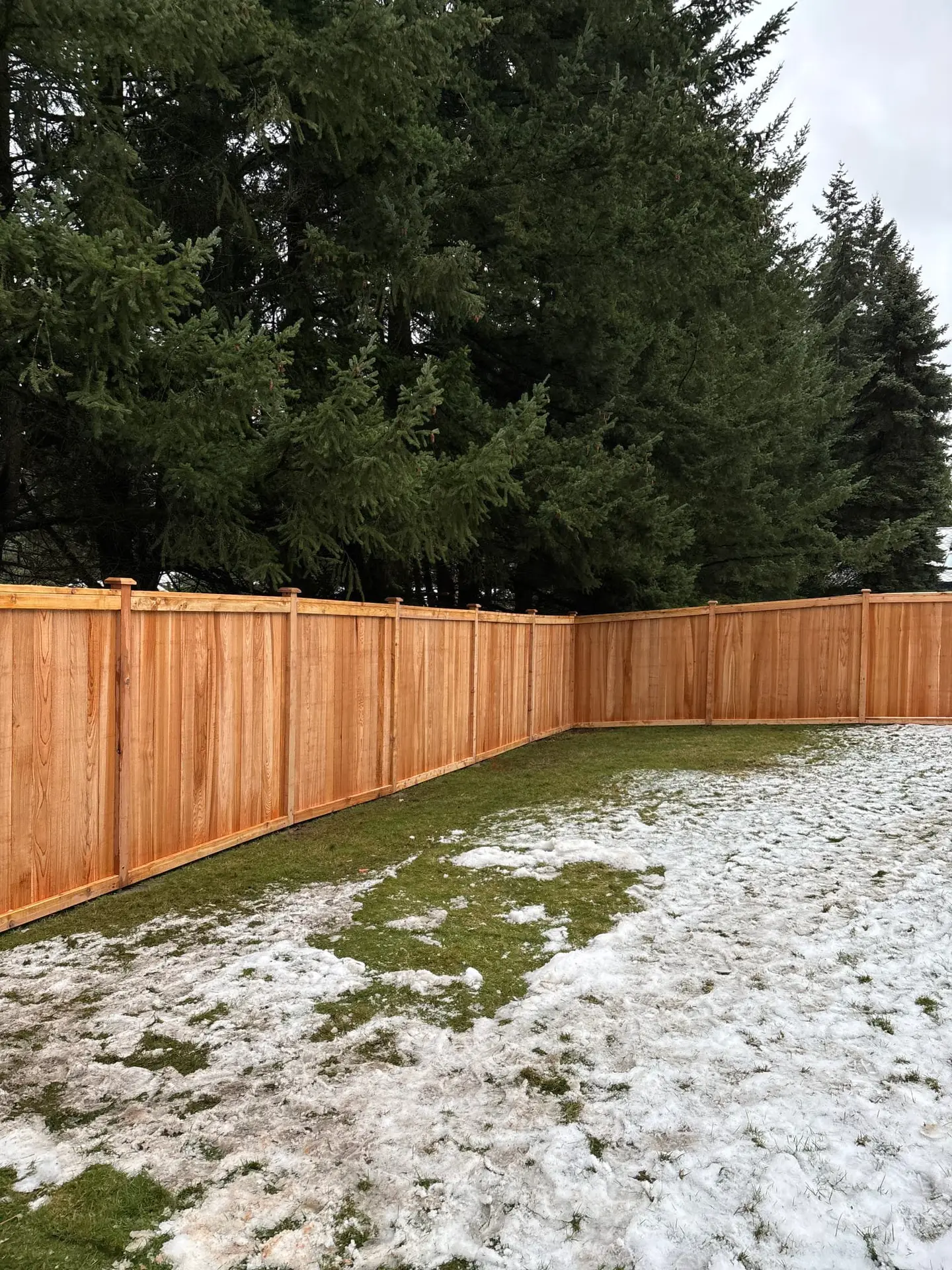
- Wood and cedar are usually chosen when privacy and curb appeal matter more. A cedar privacy fence can make a yard feel calmer and more finished. Wood fencing averages $44 to $67 per linear foot installed, while cedar fencing costs $65 to $110 per linear foot in Portland. Pressure treated pine may cost less, so homeowners often pay more for cedar when they want stronger curb appeal, privacy, natural resistance, and a more finished appearance. Still, cedar needs more materials and more detailed installation than basic chain link.
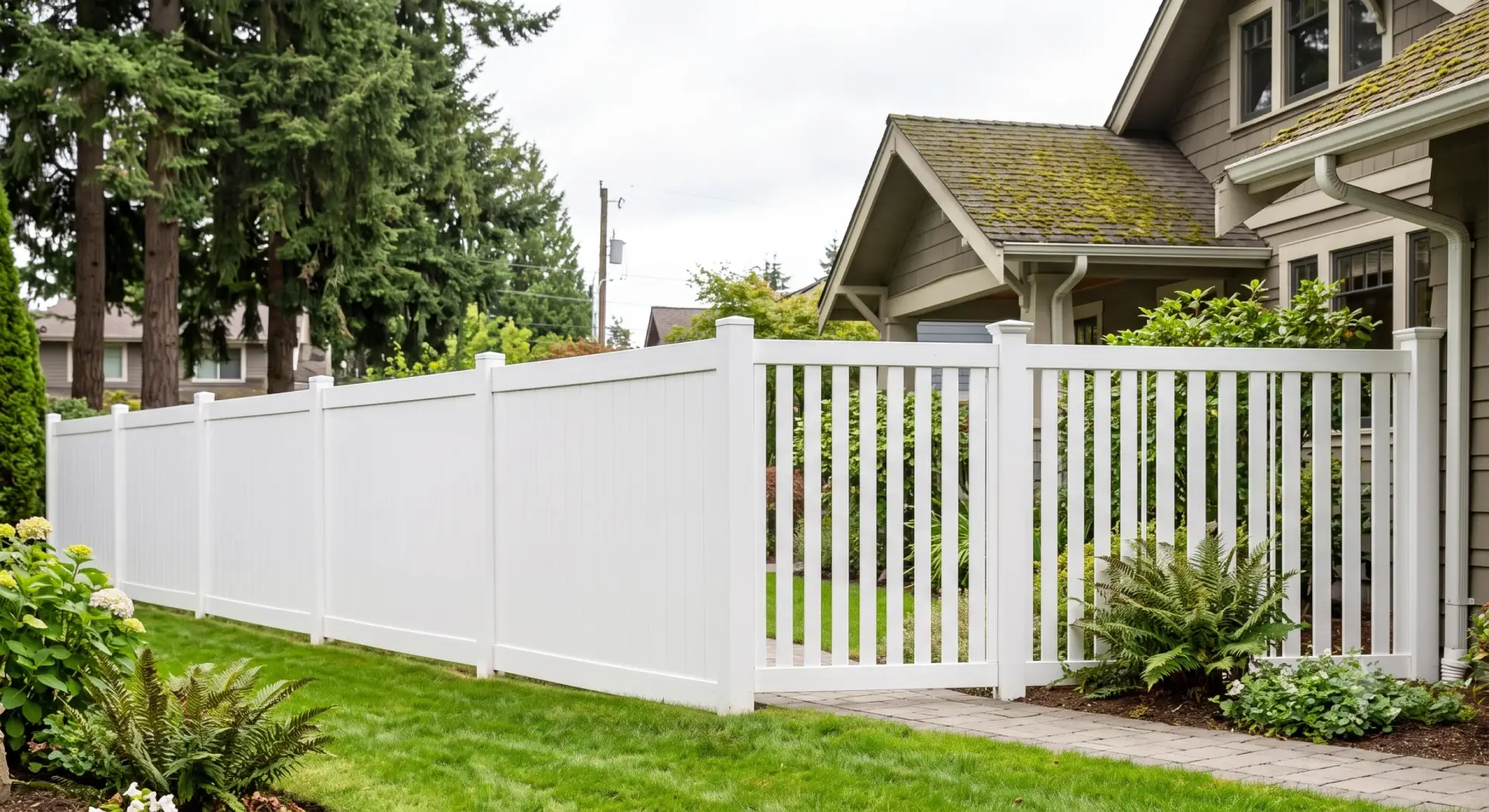
- Vinyl can make sense for homeowners who want a low-maintenance fence. The price can still move around because height, panel style, gates, slope, and post layout all matter.
- Wrought iron is more about security and appearance than privacy. It can work well in front yards or decorative areas, but it is usually not the first choice for a private backyard.
Before choosing wood, homeowners can review cedar fence details that can affect the final quote.
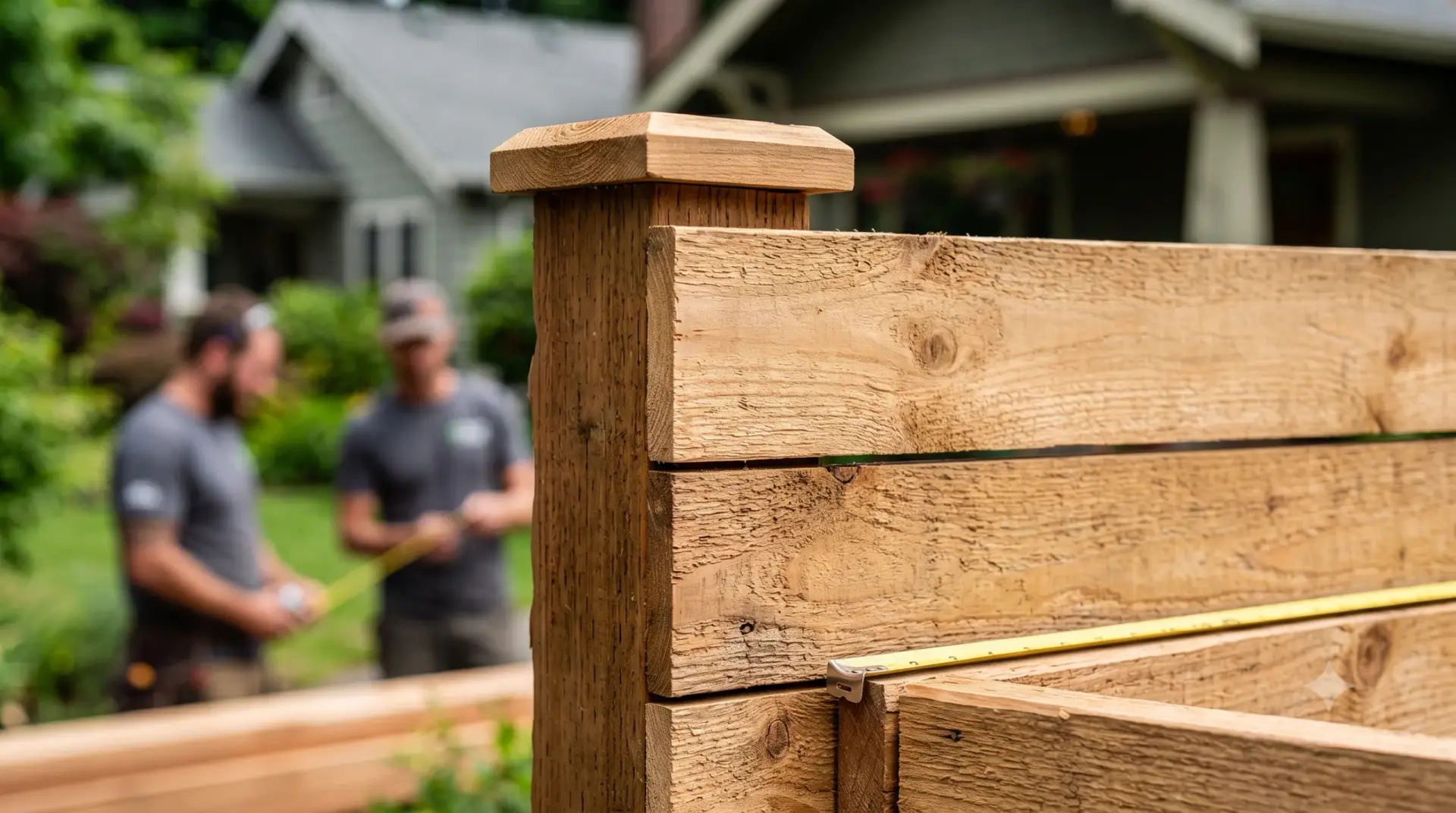
Why Per Foot Pricing Can Be Tricky
Per foot pricing is useful, but it can hide the scope. One contractor may include removal, posts, gate hardware, cleanup, and site prep. Another may not.
Ask this | Why it matters |
What material is included? | The quote should clearly name the fence material |
Are gates included? | Gates can change labor, posts, and hardware |
Is old fence removal included? | Removal can add real time to the project |
What posts are used? | Better posts can help the fence hold up longer |
Are permit fees included? | Permit costs may be separate |
Is cleanup included? | Hauling and cleanup should be clear before work starts |
This is where many homeowners notice the difference between a cheap quote and a complete quote.
Why Gates Can Affect the Final Cost
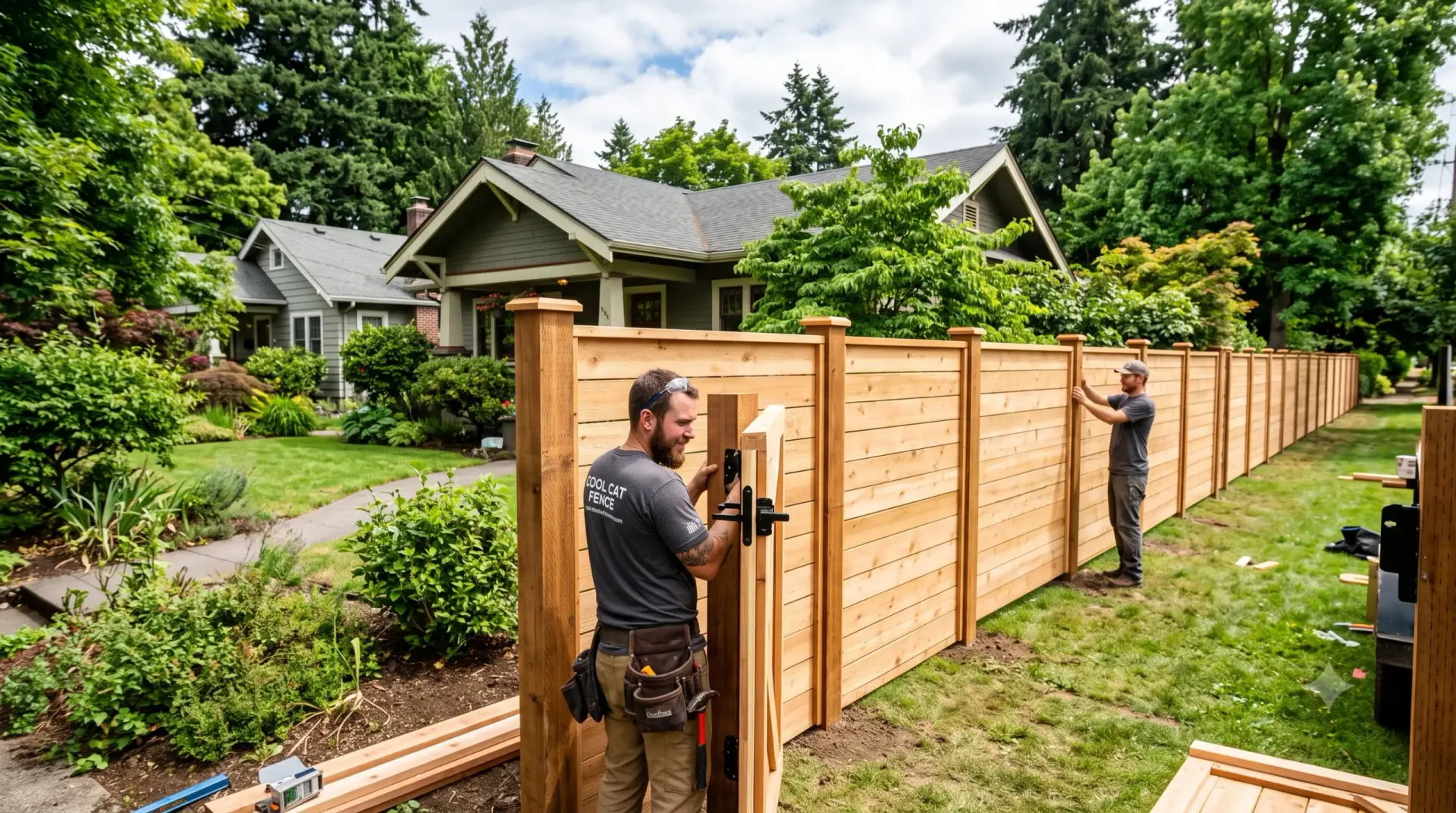
A 100-foot fence with no gates is not the same as a 100-foot fence with a walk gate and a double gate. Gates add layout complexity because they need stronger posts, hinges, latch hardware, correct spacing, and clean alignment.
If a gate is not installed well, it may sag, scrape, or stop closing smoothly. That becomes annoying fast because gates are used every day.
Before approving the project, ask:
- How many gates are included?
- What size are the gates?
- What hardware is used?
- Does the gate match the fence style?
- Is the gate cost part of the total cost?
Do Not Skip the Existing Fence Conversation
If there is an old fence on the property, talk about it early. Old fence removal can be simple, but it is not always quick.
Old fence posts may be set in concrete. Plants may be wrapped through the panels. Some sections may be buried, leaning, or hard to reach. Once the old fence comes out, the crew may also need to clean up the fence line before installing a new fence. A quote should say whether fence removal is included. If it does not, ask before you compare the price with other bids.
Labor Costs, Site Prep, and the Real Yard
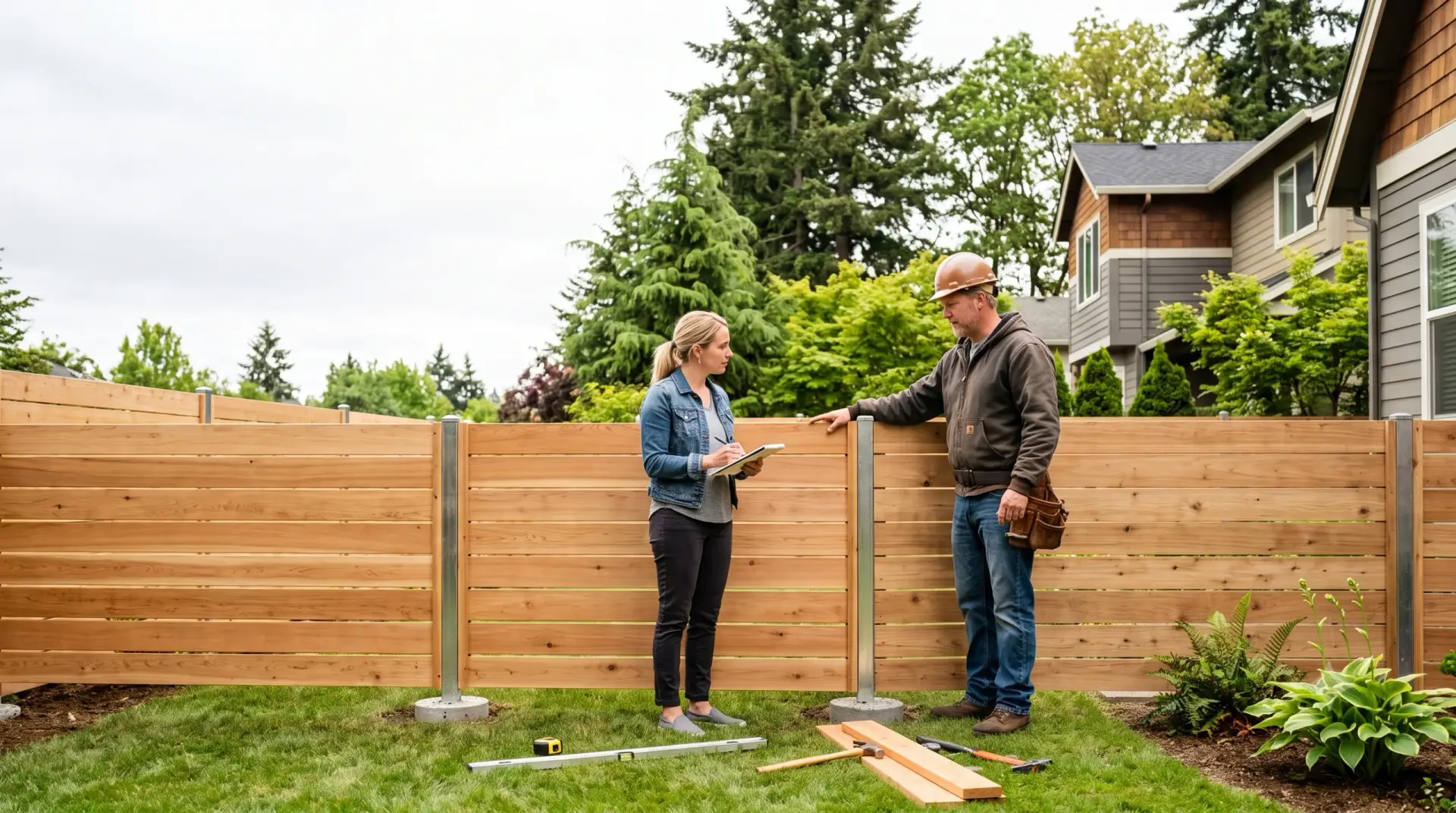
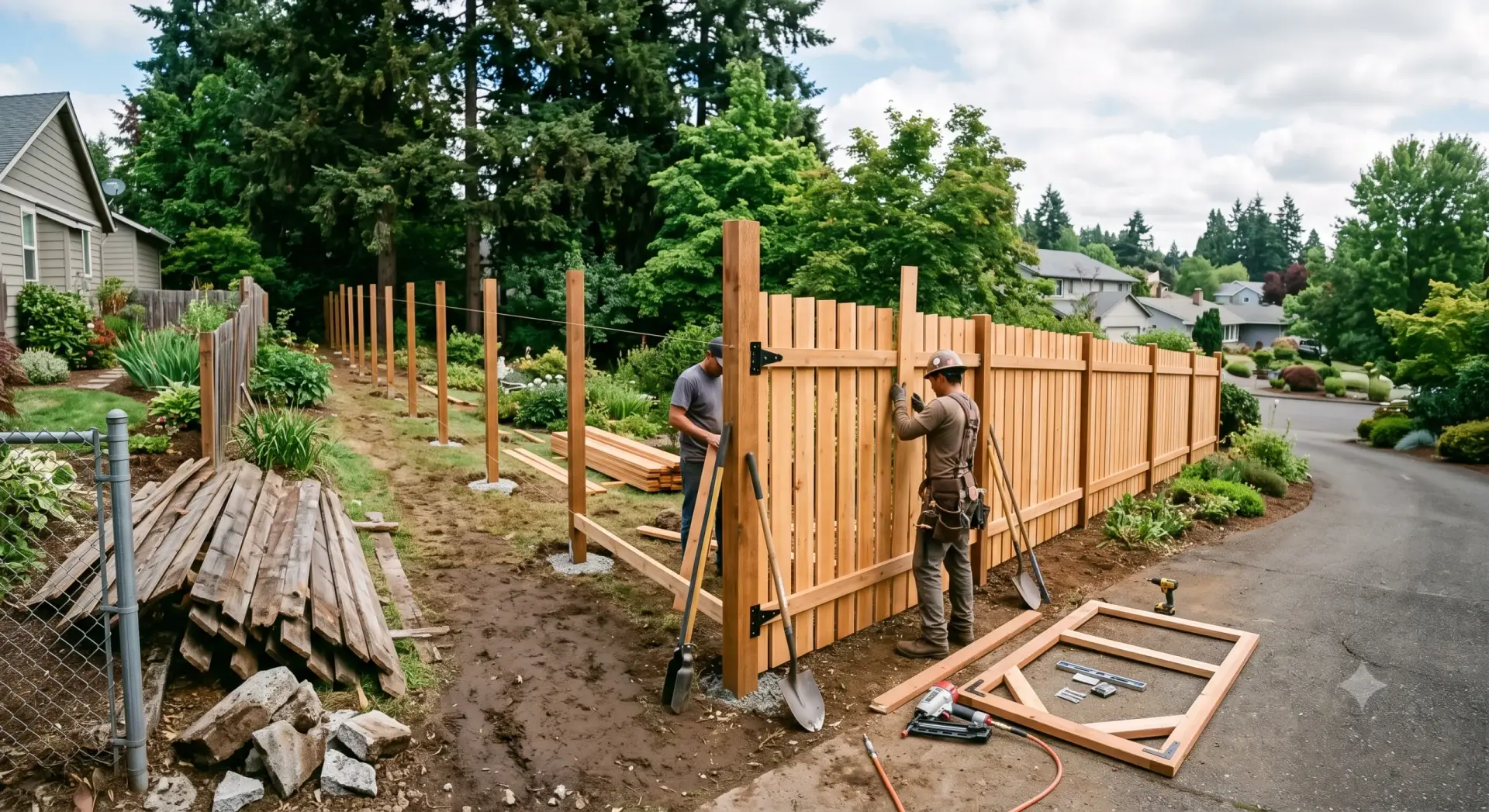
Labor costs are a major part of professional installation. The crew has to measure, mark, dig, set posts, level each section, install gates, adjust to the yard, and clean up.1
In the Portland area, site conditions can vary a lot. Some yards are open and simple. Others have wet soil, grade changes, roots, old concrete, narrow access, drainage concerns, or landscaping close to the work area. That is why national average pricing only goes so far. It cannot see the yard. A local estimate can.
Portland Permit Questions Before Installing a Fence
Permit needs can depend on the city, fence height, location, and property details.2 Permit fees typically range from $50 to $200 per project, and requirements matter more if the fence is near a street, sidewalk, corner lot, driveway, or shared property line.
Ask these questions before installing a fence:
- Does this project need a permit?
- Are permit fees included or separate?
- Are there height limits?3
- Is the fence close to a property line?
- Are there visibility rules near a street or driveway?
- Who checks the city requirements?
How to Compare Quotes Without Guessing
Multiple quotes can help homeowners save money, but only when the quotes cover the same project. The tools needed, access limits, removal work, and gate details should be clear before the numbers are compared. If one quote includes removal and another does not, they are not equal.
Before choosing a contractor, compare:
- confirmed linear footage
- fence material and height
- number of gates
- posts and hardware
- old fence removal
- labor and site prep
- permit fees
- cleanup
- warranty
- possible changes to the final cost
For early planning, homeowners can use a fence estimate tool for early budget planning before requesting a more accurate estimate.
How to Save Money Without Sacrificing Quality
Saving money does not have to mean choosing the weakest fence. It usually means planning the scope better, asking questions early, and using the off season to compare options before the project becomes urgent. Scheduling installation during off-peak seasons can sometimes save 10 to 15%, especially when timing is flexible.
A simpler layout can help. Fewer corners can help. Limiting extra gates can help. Clearing plants and clutter from the fence line before installation may also make the work easier.
Material choice matters too. Chain link can be a practical, affordable option for security. Pressure treated wood may fit some budgets. Cedar may be worth it when privacy, natural resistance, and curb appeal matter more.
What homeowners should not cut is the work that keeps the fence solid. Weak posts, rushed site prep, poor gate alignment, and unclear materials can create repair costs later.
Before You Approve a 100-Foot Fence Quote
A 100-foot fence cost in Portland is not just a per foot calculation. The final cost depends on materials, labor, gates, posts, existing fence removal, permit fees, site prep, and the real condition of the yard. The best quote explains the full scope. It should show what is included, what may change, and why the price makes sense.
Long-term value matters too. Cedar, wood, vinyl, chain link, and wrought iron all solve different problems. If cedar is part of the plan, reviewing cedar maintenance factors that can change long-term value can help homeowners think beyond the first installation price.
FAQ
Can a fence increase home value?
A fence can increase home value when it solves a real homeowner need, such as privacy, security, pet containment, curb appeal, or a cleaner property boundary. The effect depends on material choice, installation quality, neighborhood expectations, and the condition of the existing yard.
How much does a 100-foot fence cost in Portland?
A 100-foot fence cost in Portland depends on material, labor, gates, removal, permits, and yard conditions. Linear footage gives a starting point, but the final quote should reflect the actual property, not just average fence pricing.
Why does fence installation cost change between quotes?
Fence installation cost changes because each contractor may include different details. One quote may include posts, gates, removal, cleanup, and site prep. Another may leave some of those items separate.
Is chain link cheaper than a cedar privacy fence?
Chain link is often the more affordable option. A cedar privacy fence usually costs more because it uses more materials, creates full privacy, and requires a different installation process.
Does old fence removal affect the final cost?
Yes. Old fence removal can add labor, hauling, concrete removal, and extra site prep before the new fence can be installed.
Do gates increase fence cost?
Yes. Gates need hardware, stronger posts, careful spacing, and extra labor. A walk gate and a double gate can change the total cost of the project.
How can homeowners compare fence quotes fairly?
Homeowners should compare the full scope, not just the price. Look at linear footage, materials, gates, posts, labor, removal, cleanup, permit fees, warranty, and possible changes to the final cost.