A fence cost calculator can be useful when homeowners are trying to build a rough budget. Type in the length, pick a material, choose a fence height, and the tool gives a number. Simple enough.
The problem is that a real fence is not built inside a calculator. It is built in a yard with slopes, gates, posts, concrete, obstacles, neighbors, permits, and access issues. At Cool Cat Fence, we see this gap all the time. A chain link fence cost may look affordable on a page, but the real price depends on what the crew has to install, remove, adjust, and secure on the property. A calculator gives a starting point. A real estimate explains the job.
Chain Link Fence Cost Starts With Per Linear Foot Pricing
Chain link fence cost is often shown as a per-foot or per-linear-foot number. That makes sense because chain link is usually priced by length, height, materials, and installation. Standard residential fence heights often fall in the 4- to 6-foot range, and costs usually increase as the fence gets taller. A simple galvanized chain link fence is usually the more affordable option. Add vinyl coating, privacy slats, multiple gates, heavier pipe, and upgraded hardware, and the price starts to move quickly.
But cost per foot is only one piece of the estimate. Installing 100 feet of chain link on flat ground is fairly straightforward. Installing the same 100 feet around tree roots, uneven terrain, old posts, and a single gate takes a different amount of work. The length is the same. The labor is not.
That is where online tools usually miss the difference. They may account for materials and even include a typical installation range, but they rarely understand the full site.
Cost detail | Common planning range | What online tools may miss |
Professional chain link installation | $8 to $40 per linear foot | Fence height, gauge, gates, access, and region |
DIY chain link materials | $3 to $15 per linear foot | Tool rental, mistakes, extra hardware, and time |
Privacy slats upgrade | $5 to $10 per linear foot | Wind load, appearance, and maintenance needs |
Standard residential chain link height | 3 to 6 feet | Taller fences require more materials and planning |
Seattle fence permit threshold | Often no permit at 8 feet or lower, with limits | Masonry, concrete, flood areas, and site rules can change this |
These ranges are useful for early planning. They are not a final quote.
Why Chain Link Fence Installation Cost Per Foot Installed Changes From Yard to Yard
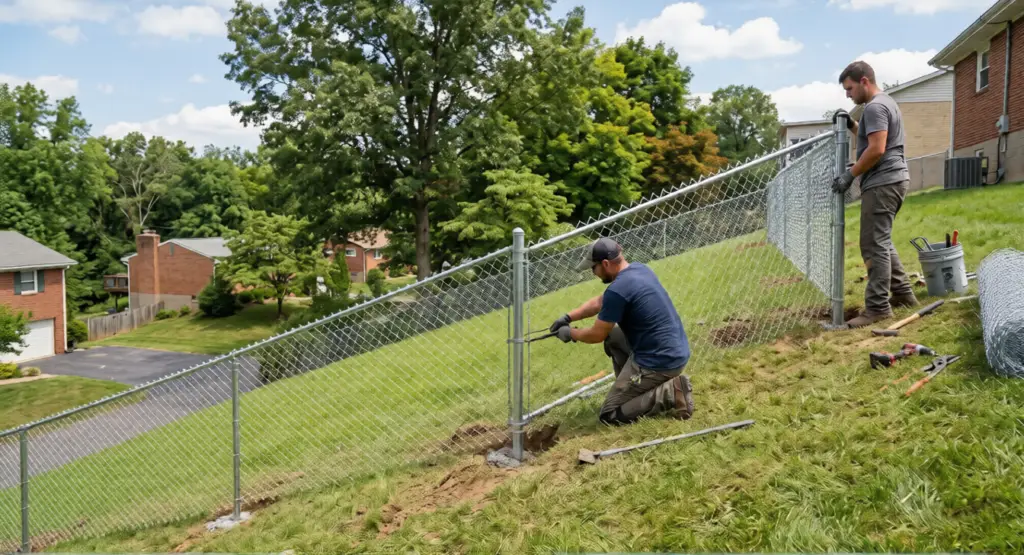
Chain link fence installation looks straightforward from a distance. Posts go in. Posts go in. Chain link fabric stretches across the line. Gates get hung. Done, right? Not quite.
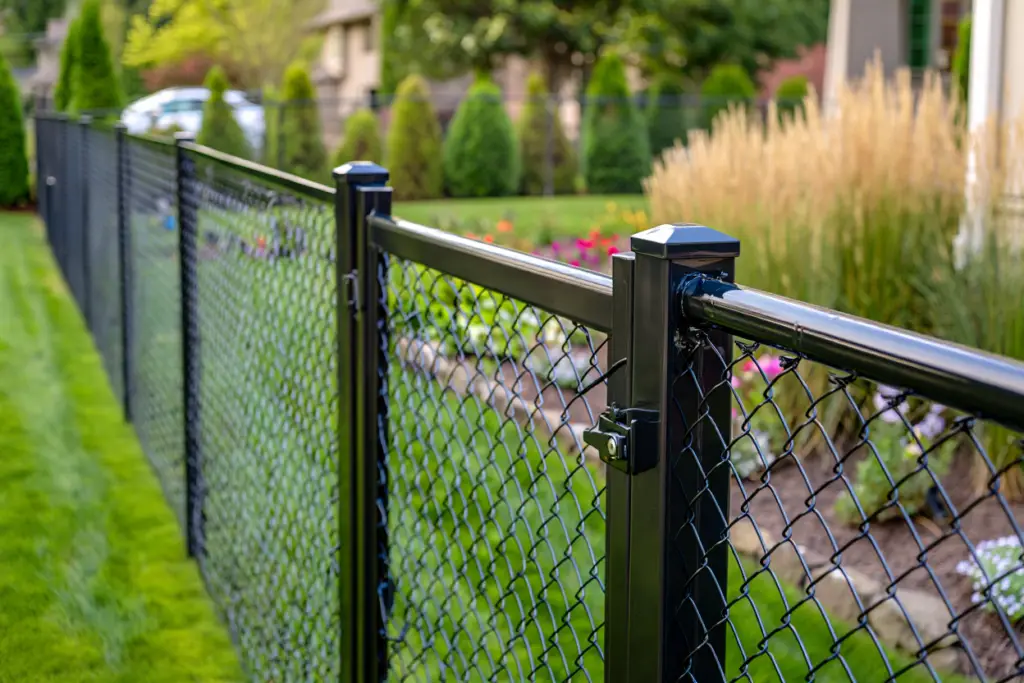
A good installation depends on line posts, corner posts, terminal posts, rails, tension wire, tension bands, gate hinges, concrete, pipe size, fence height, and ground conditions. If posts are placed poorly, the whole link fence can look wavy. If the gate post is weak, the gate can sag. If the fabric is not tensioned correctly, the fence loses that clean, tight look.
Uneven ground adds more work. So do roots, rocks, existing concrete, old fencing, drainage problems, and tight access. A calculator does not know whether the crew can walk straight to the fence line or has to carry materials around a deck, through a narrow side yard, or across landscaping. That added complexity is why two residential projects with the same linear foot count can have different labor costs.
Labor Costs Are Where Calculators Get Too Neat
Labor costs are not only about “installing the fence.” The work includes much more than putting up the fence. Crews bring the equipment and expertise needed for layout, digging, post setting, chain link stretching, panel fitting, gate hanging, hardware checks, cleanup, and whatever site problems come up during installation.
Professional chain link labor is often priced by the foot, and Seattle-area construction labor can fall in the $8 to $20 per linear foot range before the full project scope is added. Still, the site matters. Tree roots, rocky soil, poor access, or old posts can increase labor costs. Taller fences usually cost more, too, because they need more material, more handling, and more time. Gates add detail. A single gate is simpler than several gates, especially when one needs to line up with a driveway, dog run, or daily walking path.
DIY projects can reduce the upfront price, at least on paper. For some homeowners, DIY works. But a chain link fence is not just a roll of wire and a few posts. The project needs tools, proper spacing, tensioning, safety checks, and patience. A fence that is loose, leaning, or poorly braced may cost less at first and more later.
Most homeowners are not only paying for labor. They are paying for the difference between a fence that stands straight and one that slowly becomes a problem.
Material Costs: Galvanized, Vinyl Coated, and Upgrades
Material costs depend on the type of chain link, the gauge, the coating, the pipe, the height, and the hardware. Galvanized steel is usually the more affordable and practical choice because it is cost-efficient, rust-resistant, functional, and common for security, pets, and property boundaries.1 Material quality matters here, too. In chain link fencing, a lower gauge number means thicker, stronger wire. Residential-grade chain link usually uses lighter gauge wire, while commercial-grade options often use heavier construction and stronger corrosion resistance, which increases the price.
Vinyl-coated chain link is a step up in price, but it can also be a step up in appearance and curb appeal. Black vinyl-coated fencing is popular because it sits more quietly against landscaping and usually looks better from the street than plain galvanized wire. It does not disappear. It simply looks less like utility fencing.
Privacy slats bring more coverage, but they come with tradeoffs. Colored PVC privacy slats can add about $5 to $10 per linear foot, affect the overall cost of the project, and make the fence catch more wind. On a taller fence, that can change the installation requirements. Stronger posts, better anchoring, and more careful support planning may be needed.
Heavier-gauge wire and better finishes can help with long-term durability and reduce long-term maintenance or replacement costs. Still, not every project needs the premium version. The cheapest materials may not be the best value when the fence needs to last.
Gates, Posts, and Hardware Usually Change the Final Price
Gates are one of the first things a fence cost calculator underestimates. A run with no gates is simpler. A run with one single gate is still manageable. Add several gates, wider openings, or difficult placement, and the cost changes.
Posts matter just as much. Line posts carry the fence along the run. Terminal posts support corners, ends, and gates. If the post system is weak, the fence will show it. Chain link depends on tension, so the support system has to be right.
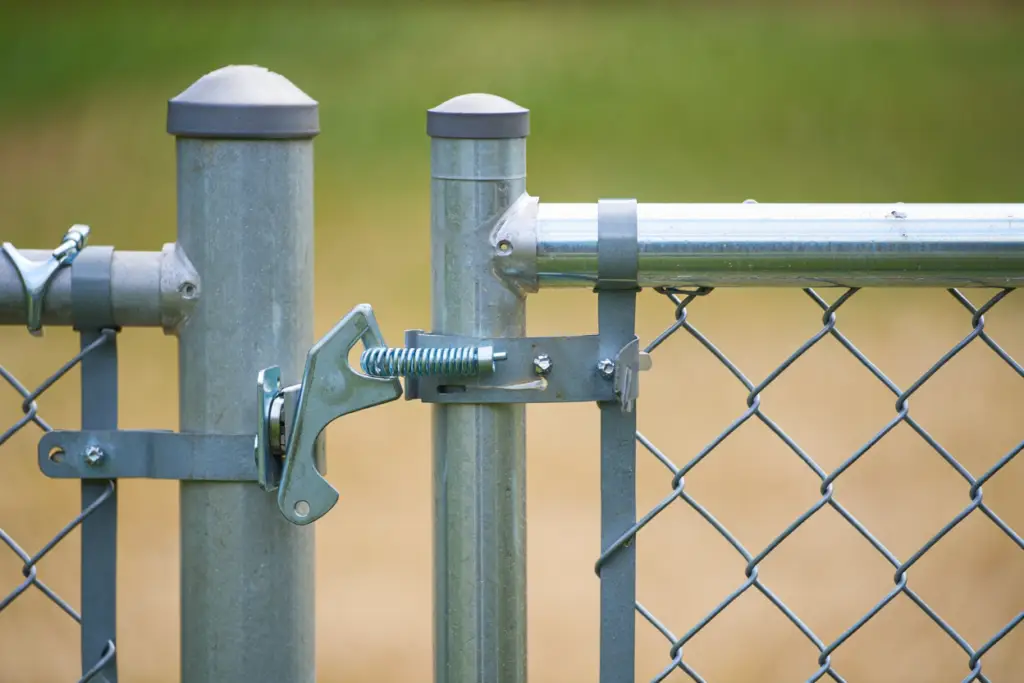
Hardware is another small detail that becomes important quickly. Tension bands, rails, hinges, caps, fittings, and fasteners all affect the finished result. A calculator may treat hardware as a standard line item. A real contractor looks at how the fence will actually be used.
A dog run, for example, needs secure gates and strong latching. A backyard fence near neighbors may need cleaner lines and better visual planning. A security-focused fence may need more attention to height, pipe, and gate hardware.
Building Permit Rules and Seattle Site Details
Permit rules are another reason online tools can be too generic. In Seattle, many standard fences do not require a building permit when they stay within common height and material limits.2 But details matter. Height, concrete or masonry components, flood-prone areas, and location can change the answer.
That is why contractors should not treat permit questions as an afterthought. A good estimate should account for local rules, not just national average pricing. It should also account for Seattle’s combined sales tax rate, which can apply to both materials and labor and affect the final invoice.
Seattle also has wet weather, dense neighborhoods, older lots, and plenty of yards with obstacles. Those factors affect installation. Soil conditions, drainage, old fencing, tight access, and property layout all shape the final price.
This is where a real walk-through helps. The contractor can see the line, the gates, the posts, the path for materials, and the conditions that tools on a website cannot read.
When a Calculator Is Helpful, and When It Is Not
A fence cost calculator is helpful at the beginning. It gives homeowners a range. It helps compare chain link, wood, vinyl, and other materials. It can show whether a project is closer to a small repair or a larger budget decision.
But it should not be treated as an exact number. A real estimate should include the linear foot count, material type, fence height, gates, posts, hardware, labor costs, site prep, permit assumptions, and any upgrades. It should also explain what could change the price once work begins. Before approving the work, homeowners can request a free quote and compare three quotes to see whether each contractor is pricing the same scope, materials, and site conditions.
For homeowners comparing layouts, backyard fence ideas that fit daily use can help connect the budget to the way the yard actually works. Sometimes, a chain link fence is the right answer. Sometimes wood or vinyl fits the home better. Sometimes horizontal fence designs with cleaner backyard lines make more sense around a patio, deck, or front-facing area.
The point is not to pick the cheapest fence on a page. The point is to choose the fence that fits the property, the budget, and the long-term use.
For larger projects, financing options for larger fence projects can also help homeowners plan the work without forcing every decision around the lowest upfront number.
FAQ
Is a fence cost calculator accurate?
A fence cost calculator can give a useful starting range, but it is not a final estimate. It may miss gates, uneven ground, permits, labor costs, site access, old fence removal, material upgrades, and local tax details.
What is the average chain link fence cost per foot?
Professional chain link fence installation often ranges from about $8 to $40 per linear foot. The price depends on height, gauge, coating, labor, gates, and site conditions.
Is chain link cheaper than wood or vinyl?
Chain link is generally one of the more affordable fence materials. Galvanized chain link usually costs less than many wood or vinyl options, while vinyl-coated chain link costs more but can look cleaner.
How much do privacy slats add to a chain link fence?
Privacy slats can add about $5 to $10 per linear foot, depending on the product and installation. They can add privacy, but may also affect the wind load on the fence.
Can DIY projects lower the cost of a chain link fence?
DIY projects can reduce labor costs, but they require tools, time, correct spacing, safe digging, and proper tensioning. Mistakes with posts, gates, or tension wire can cost more later.
Do chain link fences need maintenance?
Yes. Galvanized chain link needs periodic inspection and minor repairs to maintain its integrity. Vinyl-coated chain link may require less maintenance, but it still needs cleaning to preserve its appearance over time.With proper maintenance, chain link fences can often last 15 to 20 years.
Do Seattle chain link fences need a building permit?
Many standard Seattle fences do not need a building permit when they are 8 feet high or lower and do not include masonry or concrete pieces over 6 feet. Flood-prone areas and special conditions can change the rules.
What should be included in a real chain link fence estimate?
A real estimate should include linear feet, fence height, material type, galvanized or vinyl-coated finish, posts, pipe, rail, gates, hardware, labor costs, site prep, permit assumptions, and cleanup.