Wood Fence Cost Per Foot
In 2026, a professionally installed wood fence commonly costs about $25 to $60 per linear foot as a general planning range. Pricing in the Seattle and Portland markets may be higher depending on the wood species, fence height, design, access, terrain, gates, and removal work. At Cool Cat Fence, we help homeowners understand these cost factors before requesting a project-specific estimate.
Key Factors That Affect Price (Material and Labor Costs, Style, Height & More)

Several key factors influence the wood fence cost per linear foot, how the final cost breaks down, and why one job might cost significantly more than another.
Wood Type / Material Costs
The wood species affects both the material cost and the total installed price. The following material-only ranges cover raw wood fencing components and do not include labor, removal, equipment, permits, gates, staining, or other project expenses.
| Wood type | Approximate lumber cost per linear foot |
|---|---|
| Pine | $2 to $8 |
| Cedar | $2 to $4 |
| Redwood | $5 to $10 |
| Tropical hardwoods | $8 to $15 |
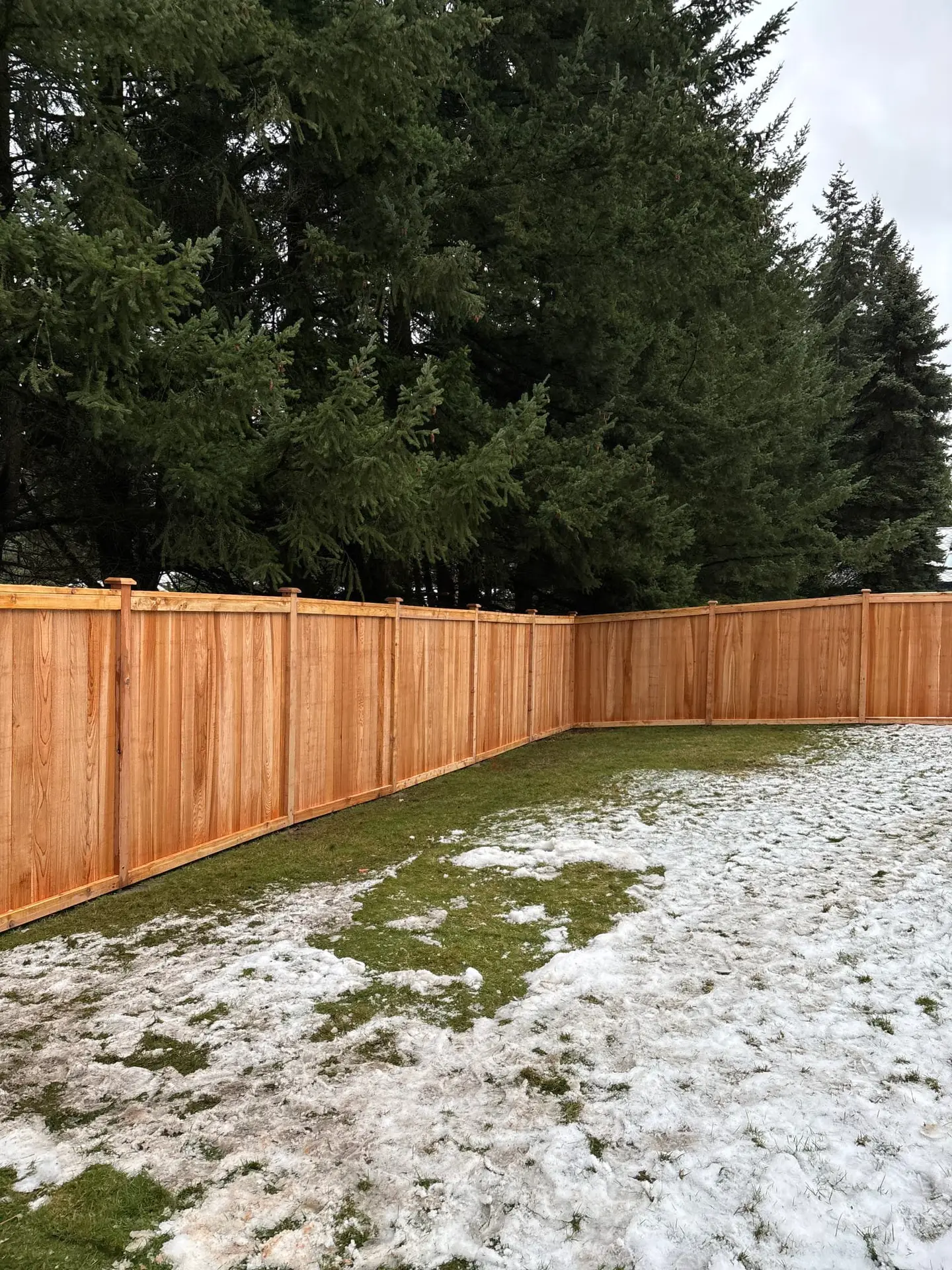
Pine is generally one of the lowest-cost options. Cedar species such as Western red cedar are naturally resistant to decay, but their price still depends on the species, lumber grade, board quality, and design. Homeowners considering cedar fence installation should compare these details before selecting materials. Redwood and tropical hardwoods generally occupy the higher end of the material range and may have more limited regional availability.
These figures are broad lumber-only benchmarks rather than supplier quotes or complete material estimates. Actual material costs depend on the wood species, grade, board dimensions, fence design, supplier availability, delivery, waste, posts, rails, fasteners, and other required components.
Fence Style, Fence Height, and Fence Posts
The fence style and height affect how much fencing material the project requires and how much labor is involved.
- A simple picket fence with shorter height uses less material and less labor than a full 6- to 8-foot tall privacy fence.
- Taller fences (for example 8 ft vs 6 ft) often cost more per linear foot because of more material, taller fence posts, deeper footings, and more labor.
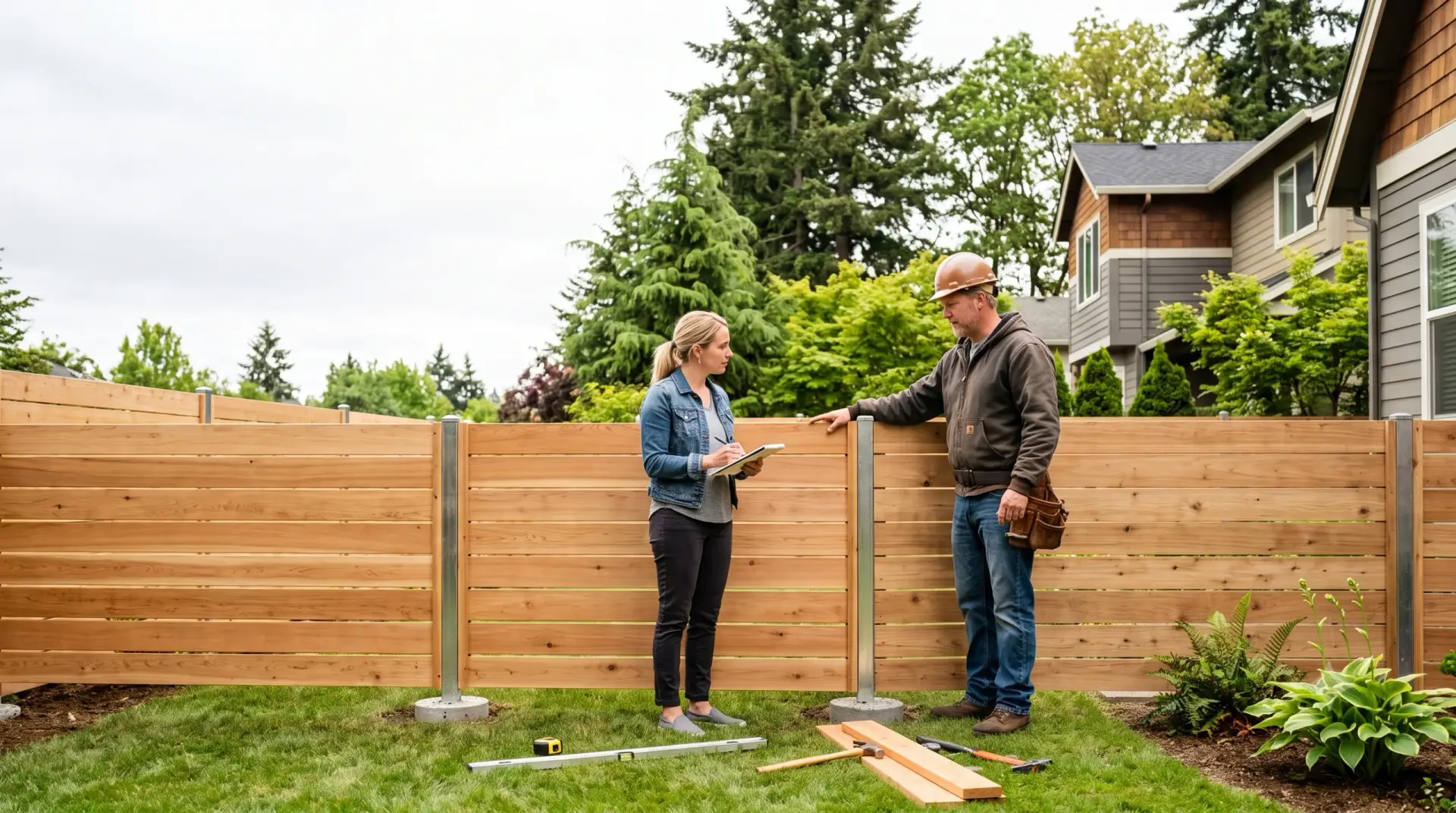
- A horizontal fence, decorative elements, rot boards, and double gates can require additional materials or labor and raise the cost per linear foot.
Site Conditions, Labor Costs, and Specialized Equipment

Don’t overlook how the job site affects your fence cost per linear foot. A general installed-cost breakdown may include:
| Cost component | Privacy fence | Picket or split-rail fence |
|---|---|---|
| Materials | $10 to $30 per linear foot | $10 to $25 per linear foot |
| Labor | $15 to $20 per linear foot | $5 to $15 per linear foot |
| Typical installed range | $25 to $50 per linear foot | $15 to $40 per linear foot |
These figures apply primarily to fences up to 6 feet tall. Removal, gates, site preparation, finishing, permits, and custom features may be priced separately.
The material and labor ranges explain how the installed price may be divided. Removal, gates, permits, finishing, and site preparation should not automatically be added because contractors structure estimates differently, and some of these expenses may already be included. Labor costs also vary by region, contractor, and project complexity.
Old fence removal, debris disposal, steep slopes, limited access, existing structures, and specialized equipment can increase the labor portion of the estimate. Homeowners should therefore compare what each quote includes rather than comparing the headline price per linear foot alone.
Total Linear Footage, Gates, and Additional Costs
The more linear feet your fence covers, the higher the total price. Longer projects may sometimes have a lower per-foot rate, but removal work, difficult access, slopes, gates, and other site conditions can offset those savings.
Additional costs may include:
- Old fence removal: $3 to $7 per linear foot, or approximately $300 to $750 for many projects; concrete footings, disposal, difficult access, and the condition of the existing fence can increase the price
- Fence posts: $10 to $50 per post for materials
- Concrete: $6 to $10 per 80-pound bag
- Post installation labor: Varies according to soil, footing depth, access, and removal requirements
- Painting or staining a wood fence: $2 to $10 per linear foot, depending on fence height, design, condition, preparation, and number of coats
- Land leveling or clearing: Varies according to the required work and site conditions
- Gates, decorative top caps, and custom details: Priced separately according to their size, materials, hardware, and design
- Permits and inspections: Varies by city and project requirements
These items may be included in a contractor’s total price or listed separately. Before comparing estimates, check whether each quote covers demolition, disposal, posts, concrete, gates, finishing, site preparation, permits, and cleanup.
Permit and review requirements depend on the fence height, materials, placement, and jurisdiction. Homeowners should verify the applicable local rules rather than assuming that every fence project requires a permit.
Wood Fence Costs in Seattle, Portland, and the Pacific Northwest
For preliminary planning, homeowners in the Pacific Northwest may use approximately $32 to $65 per linear foot as a broad estimate for a professionally installed wood fence. This range is inferred from current national installation data and higher reported costs in West Coast markets; it is not a published Cool Cat Fence rate or a project quote.
Wood fence prices in Seattle and surrounding Washington communities, Portland, and nearby service areas can be affected by:
- Higher regional labor and material costs
- Sloped or uneven yards
- Wet ground and drainage conditions
- Dense soil, buried concrete, and tree roots
- Narrow side yards and limited equipment access
- Mature landscaping and retaining walls near the fence line
- Old fence and concrete footing removal
- Hauling and disposal requirements
- Gate count, width, hardware, and alignment
- Selected wood grade, post system, fence height, and design
A straight vertical fence on level, accessible ground will generally cost less than a horizontal or board-on-board fence with custom gates, difficult access, removal work, and extensive site preparation.
Wood Fence Cost Examples for 100, 150, and 200 Feet

Using the broad Pacific Northwest planning range of $32 to $65 per linear foot produces the following preliminary budgets:
| Fence length | Lower planning range | Higher planning range |
|---|---|---|
| 100 linear feet | $3,200 | $6,500 |
| 150 linear feet | $4,800 | $9,750 |
| 200 linear feet | $6,400 | $13,000 |
These calculations include a general allowance for materials and professional installation, but they are not quotes from Cool Cat Fence. Gates, old fence removal, difficult access, grading, premium lumber, custom designs, staining, permits, and other project requirements can raise the final price.
Linear footage alone does not determine the total. For example, a shorter horizontal fence with difficult access, removal work, and custom gates may cost more than a longer vertical fence installed on flat, open ground.
Ways to Keep Your Wood Fence Cost Per Foot Lower Without Sacrificing Quality

To control the upfront cost without automatically choosing the lowest-priced materials:
- Choose a simpler style with standard height rather than the highest height or most intricate design.
- Use a good grade of wood rather than the most premium exotic hardwoods unless that’s essential for your aesthetic or lifespan.
- Ask the contractor how access limitations, existing fence removal, grading, or steep slopes will affect the scope and price before installation begins.
- Ask your fence company for transparent pricing, separate out labor, materials, and extras so you know what you’re paying for.
- Plan gates and decorative features before installation because adding them later may require additional labor or modifications.
- Ask for a free estimate from a reputable local fence company so you can compare the cost per linear foot installed across bids.
Local Planning Considerations for Seattle and Portland
Before comparing wood fence estimates, homeowners should confirm the fence line, identify access restrictions, and determine whether the proposed height and placement comply with city and neighborhood requirements.
According to the Seattle Department of Construction and Inspections, a building permit is generally not required for a fence with a total height of 8 feet or less when masonry or concrete elements do not exceed 6 feet. Site-specific zoning and environmentally critical area requirements may still apply. A fence extending into the public right-of-way is subject to a separate Seattle Department of Transportation approval process.
When planning a wood fence installation in Portland, homeowners should consider more than the quoted price, including fence style, posts, gates, property lines, maintenance, and local requirements. A building permit is generally required for a wood fence taller than 7 feet. Masonry or concrete fences taller than 4 feet, chain-link fences taller than 8 feet, and pool enclosures have separate requirements. Zoning rules concerning height, setbacks, and placement may still apply even when a building permit is not required.
Before post holes are dug, homeowners and contractors should also:
- Confirm the property line instead of relying only on an existing fence
- Review applicable HOA restrictions
- Request underground utility locating through 811
- Identify private utilities that may not be marked through the standard locate request
- Check drainage, retaining walls, roots, vegetation, and grade changes
- Clarify responsibility for old fence removal and disposal
- Confirm whether gates, finishing, cleanup, and permit-related work are included in the estimate
Oregon requires an 811 locate request at least two full business days before excavation and no more than 10 business days in advance. Washington and Oregon property owners can access their applicable utility notification service through the regional Utility Notification Center.
Frequently Asked Questions About Wood Fence Cost Per Foot
What’s the cheapest wood for fencing?
Pressure-treated pine is typically one of the most affordable wood options, although its price depends on the lumber grade and fence design. It may also require more maintenance over time than some higher-cost woods.
What does old fence removal cost add to the price?
Removing an old fence adds labor, debris removal, and disposal costs, increasing the total cost per linear foot.
What’s included in a “per linear foot installed” cost?
An installed per-foot estimate generally combines standard materials and installation labor. Depending on the contractor, it may exclude gates, demolition, disposal, staining, permits, difficult access, grading, and other site-specific work.
How can I budget accurately for my wood fence?
Multiply the total linear footage by a preliminary per-foot range, then account for separately quoted gates, removal, disposal, finishing, permits, and site preparation. Compare what each estimate includes rather than looking only at the per-foot rate.
Why Choose Cool Cat Fence for Your Wood Fence Project
Cool Cat Fence serves homeowners in the Seattle and Portland markets. A project-specific estimate can account for the selected wood, fence design, dimensions, gates, access, removal work, and site conditions before installation begins.
When you’re ready to plan your new fence, you can request an instant fence estimate and then discuss the required linear footage, selected style, materials, gates, access, and site conditions with our team.