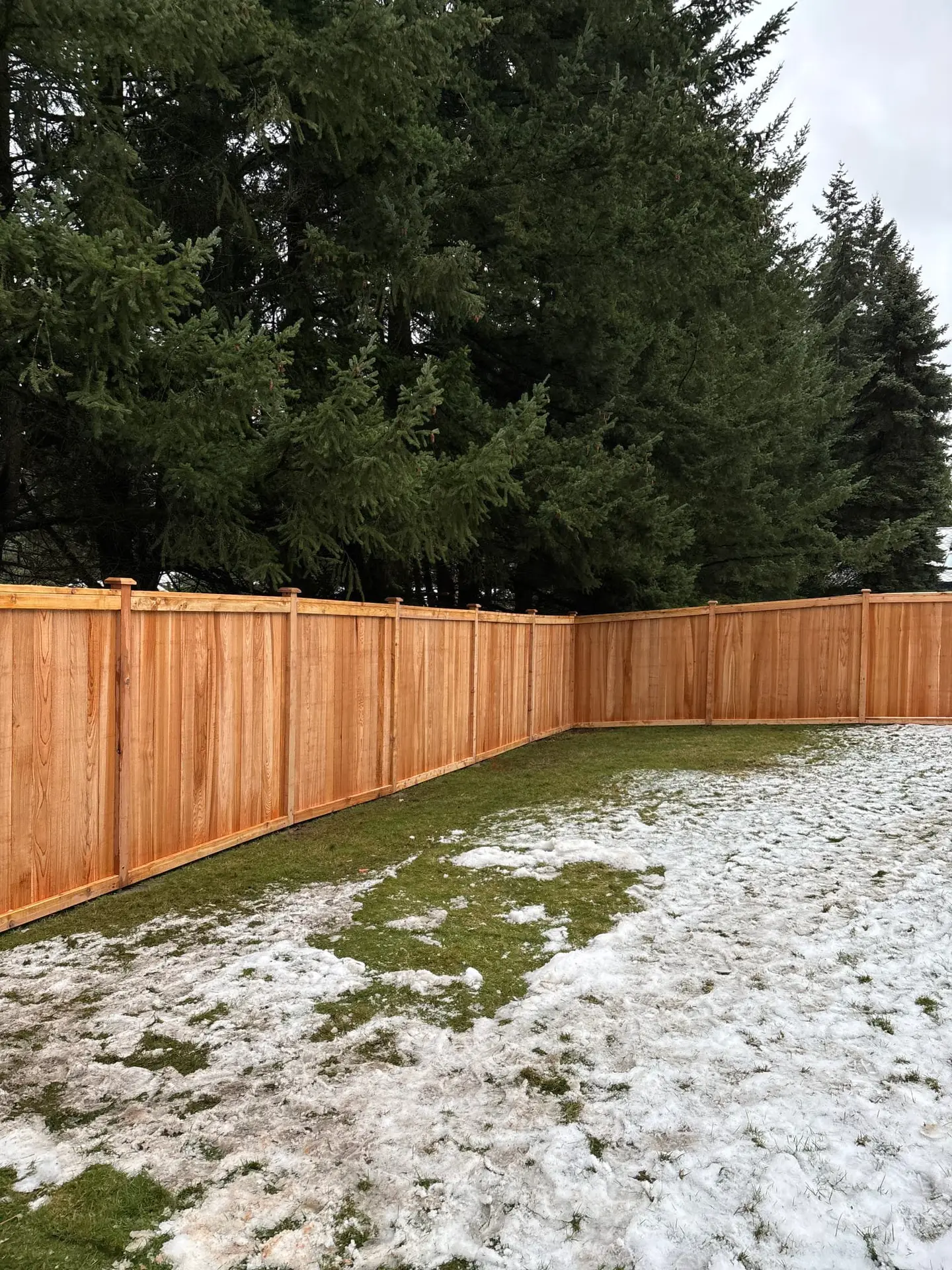
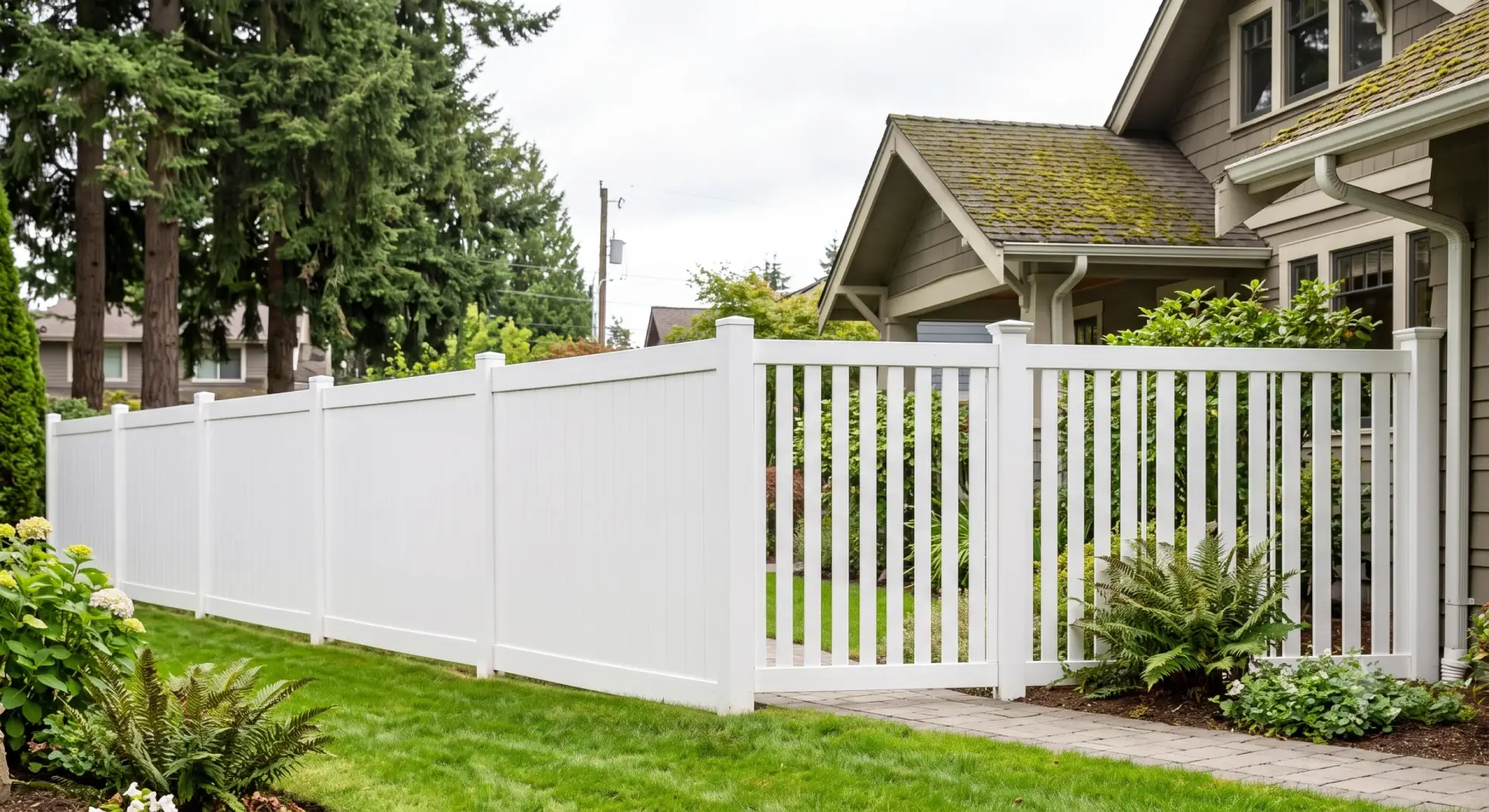
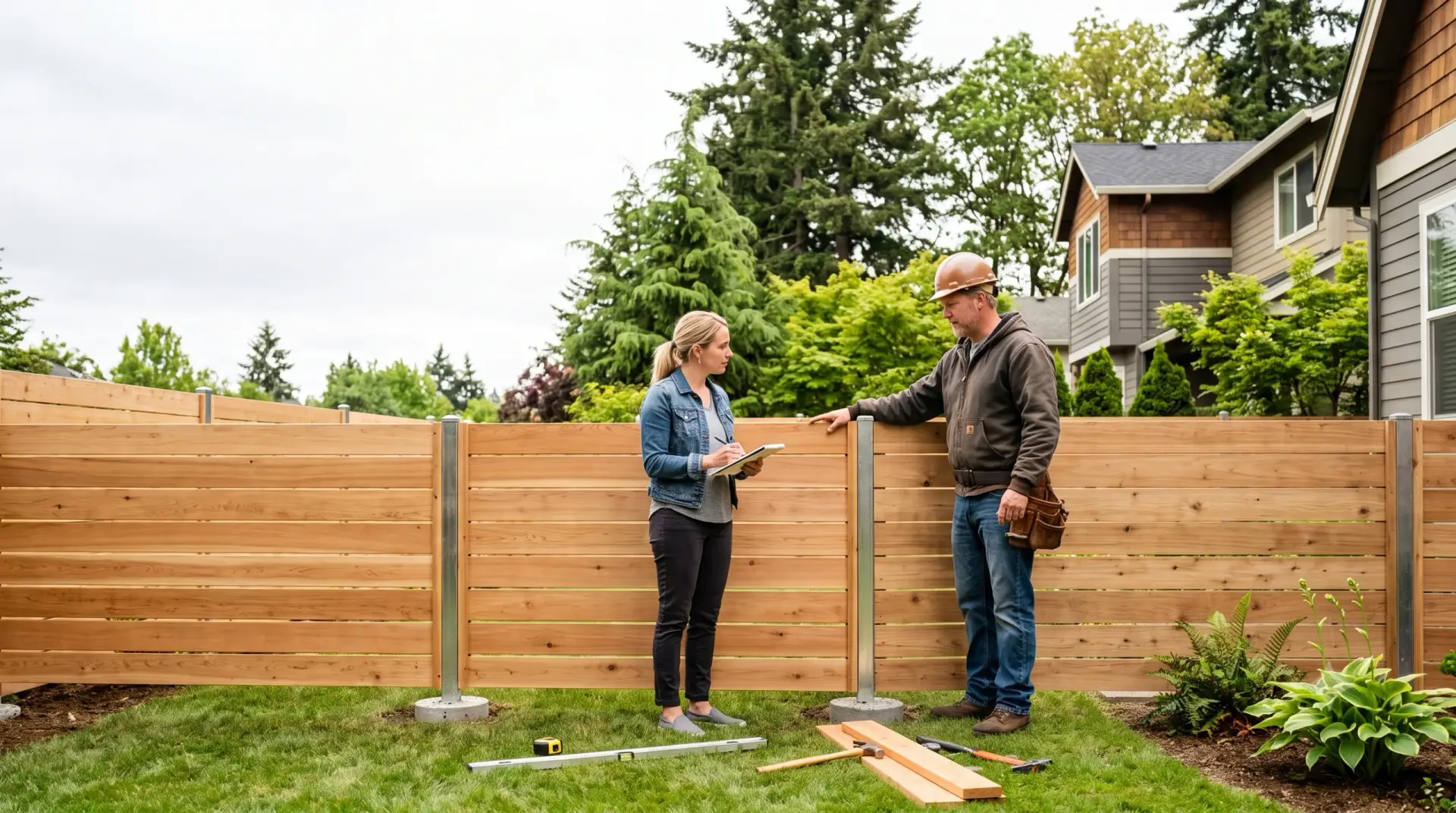
Fence repair vs fence replacement becomes a critical decision for homeowners after winter storms expose structural weaknesses in residential fencing. In Seattle and across Western Washington, storm damage can quickly turn a simple repair project into a larger fence installation decision, especially when a failing section affects how the yard functions and how secure the property feels. At Cool Cat Fence, our team helps Seattle homeowners navigate this choice every storm season, assessing whether a damaged fence needs targeted fixes or a complete rebuild.
Winter has a way of stress-testing fences. After a season of wet soil, wind gusts, and snow load, many homeowners notice one side of the fence leaning, a few panels have split, or the gate hardware no longer lines up. The real question then is whether a targeted repair will bring back safety and curb appeal, or if it’s time to treat the project as a full fence replacement. In Seattle, that decision often comes down to the original construction quality — post depth, concrete work, hardware — and whether the materials were built to handle the climate.
If the issues are confined to a couple of panels or rails and the posts are still firmly anchored, repair is usually enough. But when several posts are failing, rot is visible at grade, or long runs of the fence are compromised, replacement becomes the more honest fix. In those cases, the scope shifts into a new fence installation, starting with a site assessment so the crew understands soil conditions, grades, and any layout changes before they start setting new lines.
What Winter Storms Typically Do to Residential Fences in Western Washington
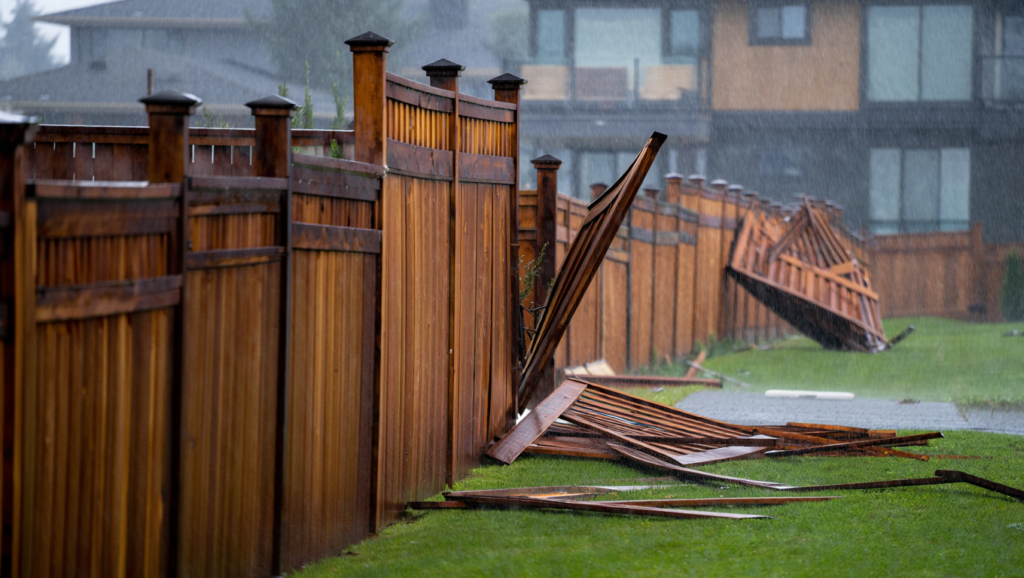
Winter storms inflict specific damage patterns on residential fences throughout Western Washington, and understanding these patterns helps homeowners make informed decisions about fence repair or fence replacement. For a Seattle fence company, storm assessment is one of the most common services requested each season, because every damaged site presents its own structural risks.
Wind Pressure Damage
High winds apply lateral forces against fence panels that often exceed what rails and pickets can handle. When gusts reach 50-60 mph during Seattle storms, nails and screws can pull free from posts, causing panels to warp, detach, or blow down entirely.1 This wind damage frequently affects one section more than others depending on exposure and prevailing westerly winds. In repair services, this is often the point where a small job becomes a larger stabilization project, especially if earlier installing work was rushed or performed by another company with a weaker local reputation.
Soil Saturation and Post Instability
Heavy rains and melting snow saturate the ground, creating hydrostatic pressure around concrete bases that loosens fence post footings. Seattle’s clay-rich soils are particularly prone to this problem, expanding and contracting with moisture changes. Posts embedded less than 36 inches deep often shift or tilt as saturated ground loses its grip on the footing. Once movement starts, a reliable company will inspect post depth, footing condition, and the surrounding holes before recommending repair services or a new fence installation project.
Freeze-Thaw Foundation Shifts
Repeated freeze-thaw cycles form ice lenses in the soil that push posts upward or sideways. Each cycle can shift foundations by inches, and over multiple winters, this movement compromises the structural integrity of even well-installed fencing. Wood fence posts set in areas with poor drainage experience this problem most severely. In Western Washington, an experienced team will usually check whether the original job included enough gravel, proper spacing, and clean post holes before deciding whether the fence can still perform safely.
Debris Impact Damage
When storms roll through, branches come down and hit fences hard, splintering boards or bending metal components. Even so, these hits are often localised. One panel crushed by a fallen limb usually points to a straightforward repair, not a fence that’s structurally finished.
That’s why there’s no reason to rush straight into replacement after every storm. The key is to separate what’s mostly cosmetic from damage that affects the fence’s core structure.
Fence Repair: When Localized Damage Is the Real Problem in a Wood Fence

Fence repair makes practical and financial sense when damage is contained to specific sections while the underlying structure remains solid. Understanding these scenarios helps homeowners avoid unnecessary replacement costs and choose the right services for the actual scope of the project. A good Seattle fence company will explain where repair ends, where replacement begins, and how to keep the job efficient without overselling unnecessary work.
Single Panel Replacement
For fences with just a couple of damaged panels, the solution is targeted: remove only what’s broken and replace it with new, matching boards. Cedar works well here—it’s naturally rot-resistant and tends to blend in nicely once it weathers or is stained. The replacement pieces are typically fixed in place with 2-inch exterior-grade deck screws or hot-dipped galvanized nails so they stand up to humidity and rain. With a professional crew on site, this type of repair is often completed within hours, and if the layout is handled carefully, most people won’t be able to pick out which panels are new.
Loose Rails and Hardware
Rails that have pulled away from posts can often be resecured with new galvanized screws or nails after realignment. Similarly, bent latches, misaligned hinges, or damaged gate hardware can be replaced without altering the fence frame. These minor fixes restore function without the cost of new fence installation services. For many customers, this is the kind of focused job they want: clear scope, solid workmanship, and no pressure to approve a larger project than the fence actually needs.
Minor Gate Misalignment
Gates often suffer after storms when posts shift slightly under wind pressure. When the shift is minor, adjusting hinges or shimming the gate frame restores proper operation. If the gate post itself hasn’t failed, this repair maintains your property’s security without requiring structural work. In many cases, a Seattle fence company can handle that job as part of broader repair services, keeping entry points secure without turning a simple gate issue into a full fence installation project.
Posts Still Structurally Sound
The most important repair indicator is post condition. Testing posts by chisel is straightforward—if spongy wood is only superficial (less than an inch deep), you can remove the rot, apply wood filler, sand, and seal to stabilize the post. This preserves the original footing and extends your fence’s life. In some cases, light surface prep and painting are often enough to finish the job cleanly, provided the post is still sound and the surrounding site remains stable. In Seattle’s wet climate, the best repair methods still come back to moisture control, which is why a high-quality water-resistant stain or sealer matters once the wood has dried properly.2
After completing storm repairs, some homeowners choose to upgrade your existing fence with reinforced hardware or decorative elements that enhance both durability and curb appeal.
Fence Replacement: When Structural Failure Means It’s Time for a New Fence

Fence replacement becomes the safer and more cost-effective solution when damage extends beyond what repairs can reasonably address. Recognizing these warning signs prevents homeowners from investing in fixes that won’t hold. At that stage, a full fence installation project usually delivers better value, especially when a reputable company can coordinate demolition, cleanup, installing, and finishing services under one scope of work.
Multiple Failing Posts
When fence posts lean beyond plumb across 20-30% or more of your fence line, individual repairs become impractical. Posts bear 70-80% of a fence’s structural load—if several are compromised, the remaining sections operate under increased stress. Replacement establishes a new, properly aligned foundation. That kind of project calls for careful layout, accurate measurements, the right tools, and a company that can guarantee clean execution from demolition to final installation.
Ground-Level Rot
Rotting wood at ground level that penetrates beyond 6-12 inches creates instability that wood filler cannot restore. This rot typically indicates moisture damage has reached the structural core, and affected posts will continue deteriorating regardless of surface treatment. A new fence eliminates this hidden weakness and gives the company a chance to correct the original build, improve drainage, and enhance long-term durability with better fence installation services.3
Large Blown-Down Sections
When storm damage exposes more than half a rail span across multiple sections, the fence has experienced forces beyond its design capacity. Even if remaining sections appear intact, stress fractures and loosened connections may compromise integrity in ways that aren’t immediately visible.
History of Repeated Repairs
If you’ve called a fence company out several times in just a few years, the fence is probably telling you it’s done its job. Pressure-treated pine can last around 10–15 years in normal conditions, but once storm damage starts piling up, that lifespan drops. Every new patch tends to become the next weak spot, ready to fail when the weather turns bad again. For many homeowners, this is where another repair stops adding value and a full replacement becomes the more sensible use of money.
When you’re deciding, think structure first, looks second. A fence that’s grey and weathered but still tight and solid is a better candidate for repair than one with fresh, clean panels screwed onto posts that are already rotting at the base.
Cost Logic: Repair vs Replacement After Storm Damage
Financial decision-making around fence repair vs fence replacement requires looking beyond immediate costs to consider long-term value.
Repair offers lower upfront costs when damage affects a limited portion of your fence. Replacing a single post or panel costs significantly less than a full rebuild, making targeted fixes attractive for newer fences experiencing their first storm damage. For customers comparing quotes, this is often the easiest part of the job to understand, because the repair scope is limited, the services are specific, and the project timeline is usually short.
However, the cost logic shifts when repair expenses approach 40-50% of replacement value. At that point, you’re paying a substantial portion of new fence installation prices without gaining a new fence’s lifespan. Replacement resets that lifespan to 15-25 years for wood or 30+ years for composite materials. A good Seattle fence company will usually frame that comparison around lifecycle cost, not just the price of the immediate job.
Long-term maintenance also factors into the equation. Repaired fences typically require more frequent attention—annual sealing, hardware checks, painting, and monitoring for recurring problems. New fence installation with modern, storm-resistant materials reduces these ongoing costs. That matters to customers who want durable results, predictable services, and a company whose number one goal is long-term customer satisfaction, not just finishing the next job.
A thorough contractor assessment provides the detail needed for an informed decision. Professional evaluation reveals hidden damage that homeowners often miss during visual inspection. An extremely professional company will document the site, explain which services are actually necessary, and show customers where the structure is still sound and where a full fence installation project is the safer call.
How Seattle Weather and Soil Conditions Affect Fence Posts and Fence Lifespan
Seattle presents unique challenges for fence durability, and understanding these local conditions helps homeowners anticipate problems and make better repair vs replacement decisions.
Wet Soil and Post Stability
Seattle’s clay-rich soils experience seasonal volume changes of 10-15%, constantly working against fence post footings. Posts embedded less than 36-42 inches deep often loosen over several wet seasons, and this instability accelerates after storms when ground saturation peaks. Many residential fence installations that perform well elsewhere struggle in Seattle’s persistently wet conditions. That is why moisture-conscious installation details matter so much here, including gravel at the bottom of post holes and at least 6 inches of 3/4-inch gravel below the concrete to help water drain away from the post base instead of collecting around it.
Wind Exposure Patterns
Open yards in Seattle neighborhoods face significant wind exposure, with winter storm gusts reaching 50-60 mph or higher. Fences facing west bear the brunt of prevailing winds, creating uneven loads that cause progressive leaning over time. Properties in exposed areas—hilltops, waterfront, corner lots—experience faster deterioration.
Drainage Condition Impact
Low-lying areas of many Seattle properties trap water that accelerates rot in wood fence bases by 2-3 times compared to well-drained sites. Poor drainage around fence lines creates conditions where even pressure-treated materials degrade quickly, shortening fence’s life substantially below manufacturer expectations.
Experienced contractors evaluate storm damage differently based on these local conditions. When you meet our Seattle fence team, you’re working with professionals who understand how our specific climate affects every fencing project. Our Seattle fence company brings years of regional experience to every assessment, recommending deeper footings (48 inches minimum) or gravel backfill where conditions warrant. That approach supports safer fence installation services, more efficient scheduling, and better long-term outcomes for customers with different fencing needs. It is also how a local company protects its reputation and delivers the kind of fantastic job people expect when crews arrive with the right tools and a disciplined process.
FAQ: Fence Leaning Problems and Fix Options
How do I know if my fence needs repair or replacement?
Start with an inspection: examine posts, rails, and panels systematically. Check posts for rot by probing with a screwdriver—solid wood indicates structural integrity. Use a level to verify posts remain plumb. If damage is minor and most posts are stable, fence repair is usually enough. When a significant share of sections are broken or posts are failing in multiple spots, fence replacement starts to make more sense.
When is fence repair enough after a storm?
Repair is usually sufficient when one or two panels are loose, a gate is off, or hardware is bent but posts remain straight and solid in the ground. Localized wind damage that hasn’t weakened the underlying structure can be handled with straightforward fence repair. If you can stand at the damage and see intact fencing in both directions, repair likely addresses your problem.
When is fence replacement better than repair?
Fence replacement becomes the better choice when several sections are missing, posts are cracked or rotted, or the fence is already near the end of its lifespan. If you’d need to rebuild a large portion of the fence line, a full replacement is usually safer and more cost-effective than patchwork that may fail during the next storm.
Is it cheaper to repair or replace a fence after a storm?
A small fence repair will almost always cost less upfront. But if repairs approach half the cost of a new fence, or you’d likely need additional repairs soon, replacement offers better value over the following years. Consider the remaining useful life of your existing fence when making this calculation.
Can I just repair a few damaged fence panels?
Yes, if damage is limited to a few panels and your posts are straight and stable, you can often replace only those affected sections. A contractor will still check the underlying structure before recommending spot repairs. Matching materials and fence styles ensures the repair blends with your existing fence.
Should I call my insurance company about storm fence damage?
If a storm or wind event caused the damage, contacting your insurer is worthwhile. Many policies may cover wind, hail, or lightning damage to fencing, typically providing 50-100% reimbursement up to policy limits after your deductible.4 However, flood damage is usually excluded unless you have a specific rider. A quick call clarifies what’s covered for your situation.
How fast should I fix a storm-damaged fence?
Address storm damage as soon as you safely can. Broken sections and loose posts can tilt further, fall, or create liability risks for neighbors, pets, and pedestrians. Prompt fence repair also prevents moisture intrusion and rot in exposed wood that accelerates deterioration. Delays beyond 1-2 weeks risk compounding your initial damage.
Does fence age matter when choosing repair vs replacement?
Yes, fence age significantly influences the decision. A newer fence with storm damage is a strong candidate for repair—you’re protecting years of remaining useful life. An older fence that was already sagging, showing signs of rot, or leaning before the storm is typically better replaced than patched repeatedly. Materials like pressure-treated pine that have served 10-15 years are approaching natural end of life regardless of storm damage.