Vinyl fence installation is a solid choice for many homes. It looks clean, does not need sealing, and usually requires less maintenance than wood. For a straight yard with a simple layout, vinyl fencing can be a very practical solution. But not every yard is simple.
Sometimes a simple wood fence is the better fit. It can be easier to adjust around small grade changes, existing property boundaries, tight corners, planting beds, or gates that need a custom size. Wood also gives homeowners more freedom with rails, picket spacing, post placement, and privacy.
At Cool Cat Fence, the best fence is not always the most expensive one. It is the one that fits the home, the yard, and the way the space is used every day.
Quick Answer: A simple wood fence often makes more sense than vinyl fence installation when a yard has small grade changes, tight corners, planting beds, existing property boundaries, custom gate requirements, or privacy needs that vary from one section to another. Vinyl is often the better fit for a clean, consistent layout when low maintenance is the priority. The right choice depends on the yard, gate design, upkeep expectations, and future repair needs.
When a Simple Wood Fence Makes More Sense
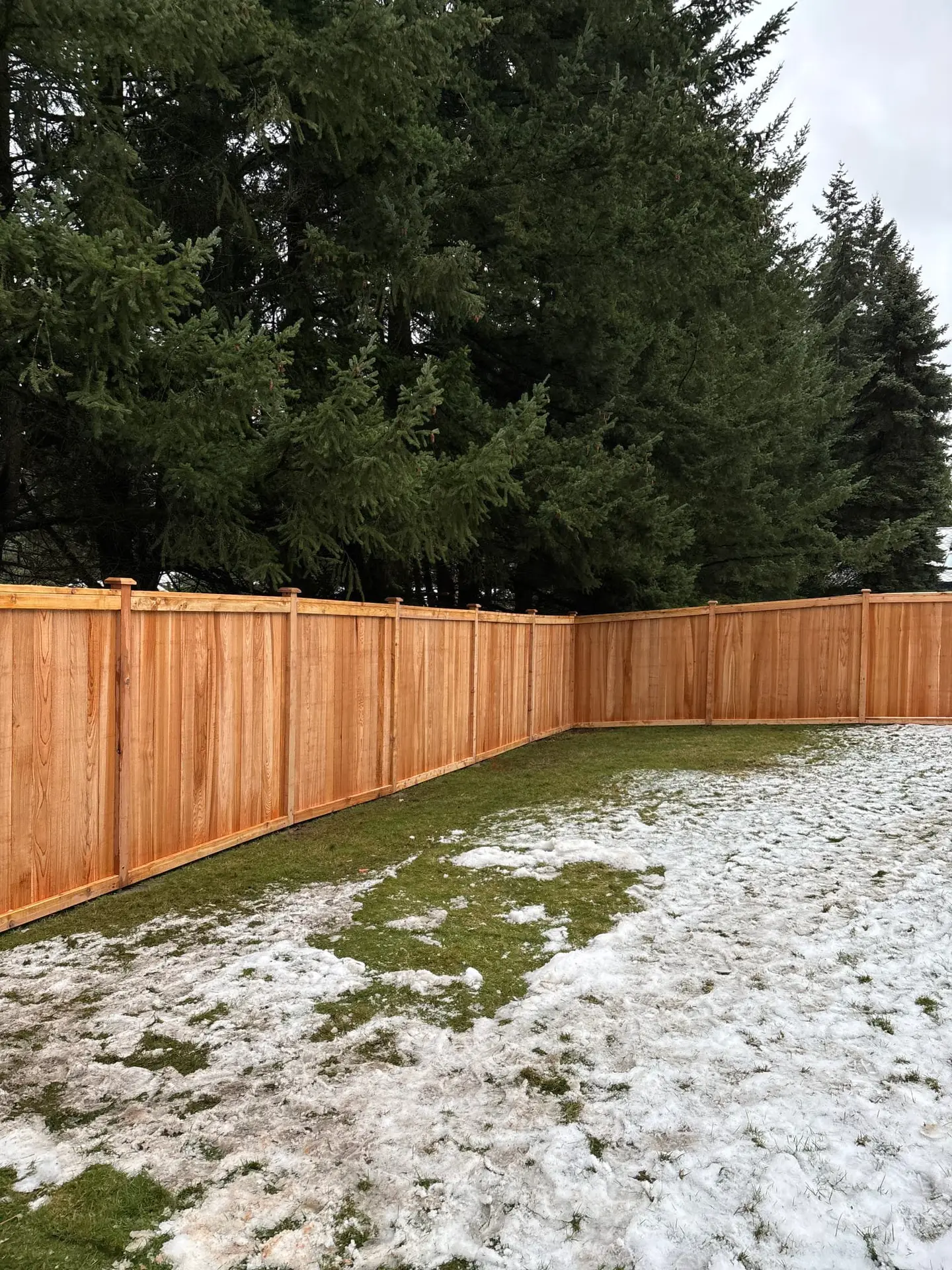
Wood can be more forgiving when the yard has a few quirks. If the fence needs custom gates, adjusted rails, a picket fence section, or a softer look near the home, wood gives the installer more flexibility. Installers can also assemble rails and boards around custom details instead of making every section follow one standard format.
A simple wood fence may make sense when the project needs:
- a custom gate size
- a picket fence section
- rails adjusted to the yard
- privacy in only one area
- easier repairs later
- a warmer look than vinyl fencing
Cedar is often worth comparing when privacy, curb appeal, and durable materials matter. Homeowners can look at cedar fence installation details worth comparing before making the final material choice.
A Seattle Project Where Wood Design Flexibility Mattered
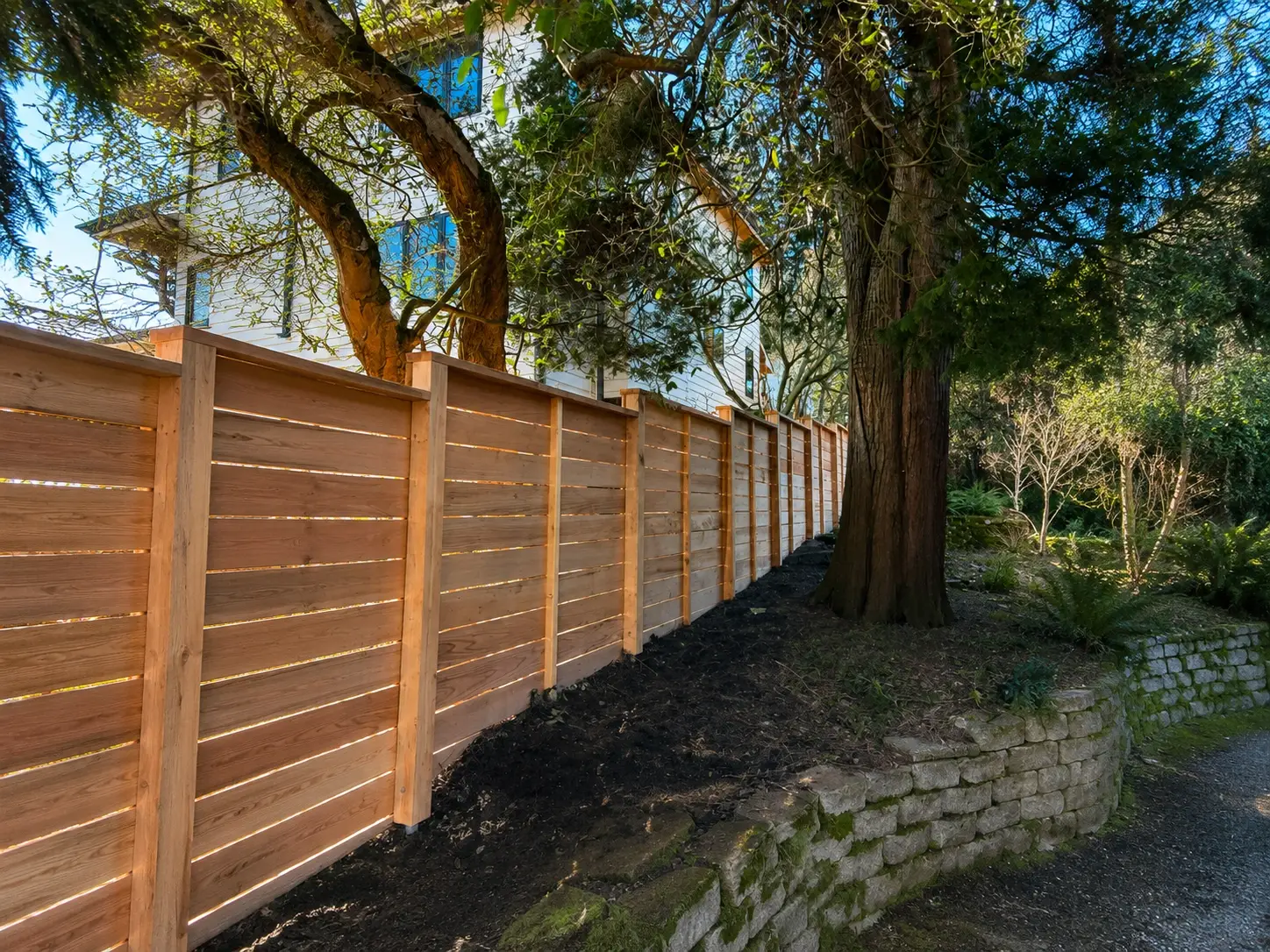
A Seattle fence project shows why wood can make sense when privacy needs are not the same across the entire property. At a home in Seattle, an outdated fence was replaced with horizontal cedar fencing designed with different heights to suit the property’s needs.
Sections of the new fence were built at 4-foot, 5-foot, and 6-foot heights. This gave the homeowner more privacy where it was needed while keeping the overall design intentional and consistent. The horizontal cedar boards also created a cleaner, more modern look across the property.
The project was completed in 9 days. For this property, the ability to adjust fence heights across different sections was a practical advantage of the wood design and showed how a more tailored layout can work better than using the same height everywhere.
For Seattle homeowners planning a similar project, custom heights should also be checked against Seattle fence height and placement rules, since requirements can vary depending on where the fence sits on the property and the conditions of the site.

Where Vinyl Fencing Makes Sense
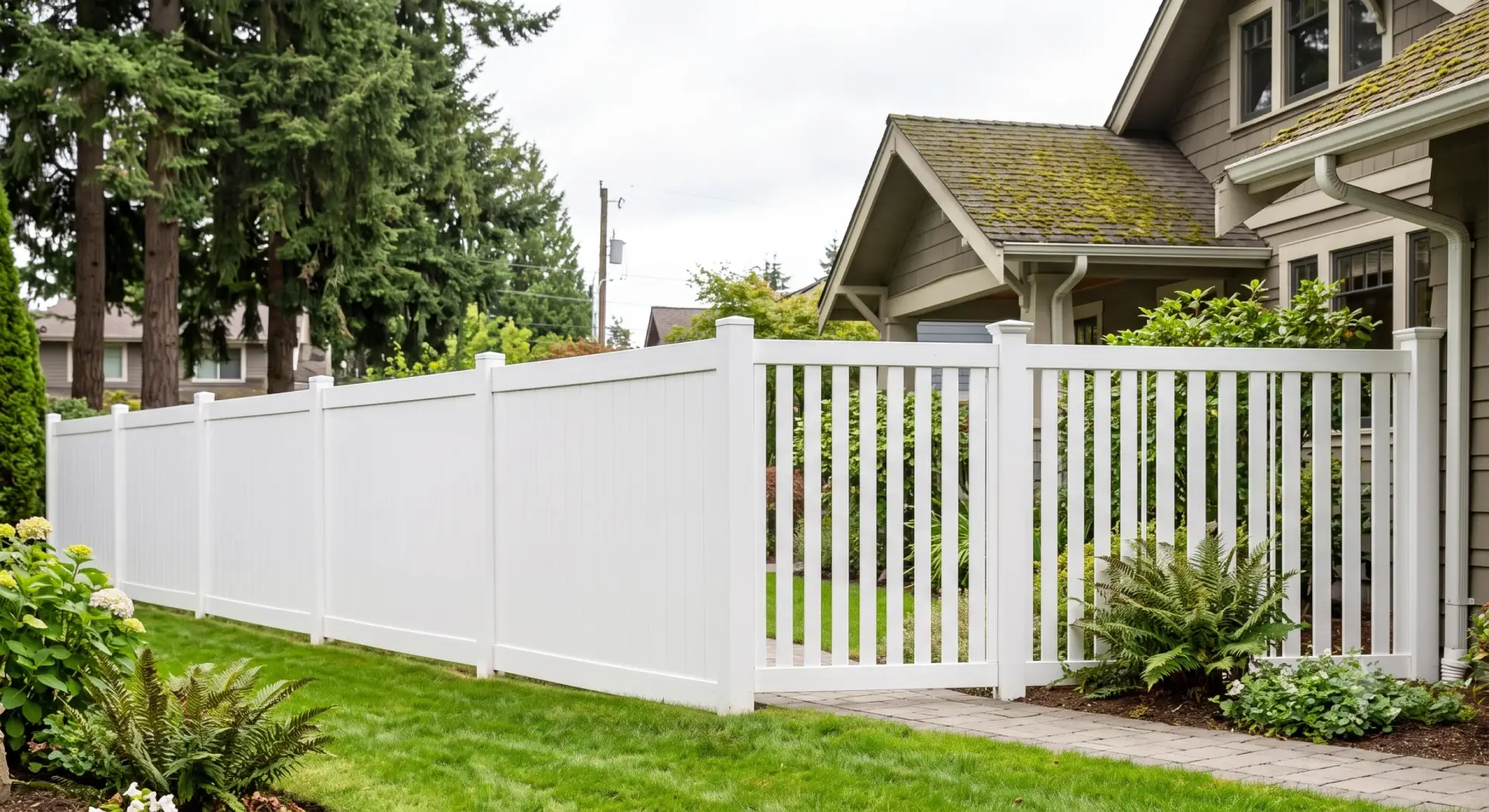
Vinyl fencing works well when the homeowner wants a neat look and low upkeep. It can be a good match for privacy fence sections, clean side-yard runs, and properties where the fence line is fairly predictable. Vinyl does not rot like wood and is resistant to pests, mold, and mildew. With minimal maintenance, a properly installed vinyl fence can provide long-term service with relatively little routine upkeep.
Still, vinyl is not something to install casually. Posts need to be placed correctly, rails have to line up, and the fence line needs to stay straight through the installation. Gates need solid support, while proper drainage also needs to be considered during post-hole preparation. Before digging begins, underground utilities should also be located through the national 811 before-you-dig service. During installation, crews need to assemble the system carefully, and brackets or gate hardware must be securely attached. It is also important to note that vinyl expands and contracts with weather, so the installation needs room for that movement.
Before choosing this route, it helps to understand what contractors check before a vinyl fence estimate. The linear foot count is only one part of the job.
Gates Can Change the Decision
Gates are where the difference often shows up. Adding a gate brings more details into the project than a basic fence run. Posts, hinges, brackets, hardware, and spacing all matter, and each step needs to support proper alignment and movement. Gateposts often require additional support because they carry the repeated movement and weight of the gate.
Wood can sometimes be easier to adjust when working around a narrow walkway, a sloped entry, or an older layout. Vinyl gates can work well too, but the installation instructions and post-setting requirements need to be followed closely. A gate that is rushed can sag, scrape, or stop closing cleanly.
Wood vs. Vinyl: What Should Homeowners Compare?
The better choice usually becomes clearer when homeowners compare how each material fits the actual yard rather than judging appearance alone. The comparison below can serve as a practical reference when reviewing the two options.
|
Factor |
Simple Wood Fence |
Vinyl Fencing |
|
Yard layout |
More flexible around small grade changes, tight corners, planting beds, and custom layouts |
A strong fit for straight, predictable fence lines |
|
Gate design |
Allows more flexibility for custom sizing and adjustments |
Works well when posts, support, hardware, and spacing are planned correctly |
|
Design flexibility |
More options for rails, picket spacing, post placement, and selective privacy |
Provides a clean, consistent appearance |
|
Maintenance |
Requires more ongoing care depending on the wood and finish |
Usually requires less upkeep and does not need sealing |
|
Appearance |
Offers a warmer, more natural look |
Creates a clean and uniform look |
|
Privacy planning |
Can make it easier to change height or privacy by section |
Works well for consistent privacy runs |
The goal is not to find one material that is universally better. It is to choose the fence that works with the property instead of forcing the property to fit the fence.
Fence Cost per Linear Foot Is Not the Whole Story
The lowest price on day one is not always the best value over time. Vinyl fence installation costs can vary significantly depending on the layout, gates, site conditions, and installation requirements. Vinyl can save money on painting and sealing, while wood may be easier to repair in smaller sections or adjust when the yard requires a more custom layout.
For a broader budgeting reference, homeowners can also review what affects the cost of a 100-foot fence before treating any per-foot number as the final project price.
When comparing fence companies, homeowners should ask questions about what is included in the price, especially posts, gates, site adjustments, labor, maintenance, and future repair needs. Maintenance needs can change from year to year, so it also helps to consider how long you expect to keep and maintain the fence.
Cost should be compared alongside the way the fence will actually fit and function on the property. The overall look may also matter to homeowners who are thinking about selling the property in the future, but resale value should not be the only reason for choosing one fence material over another. For design direction, review backyard fence ideas for practical everyday use before choosing a final style.
Choose the Fence That Fits the Yard
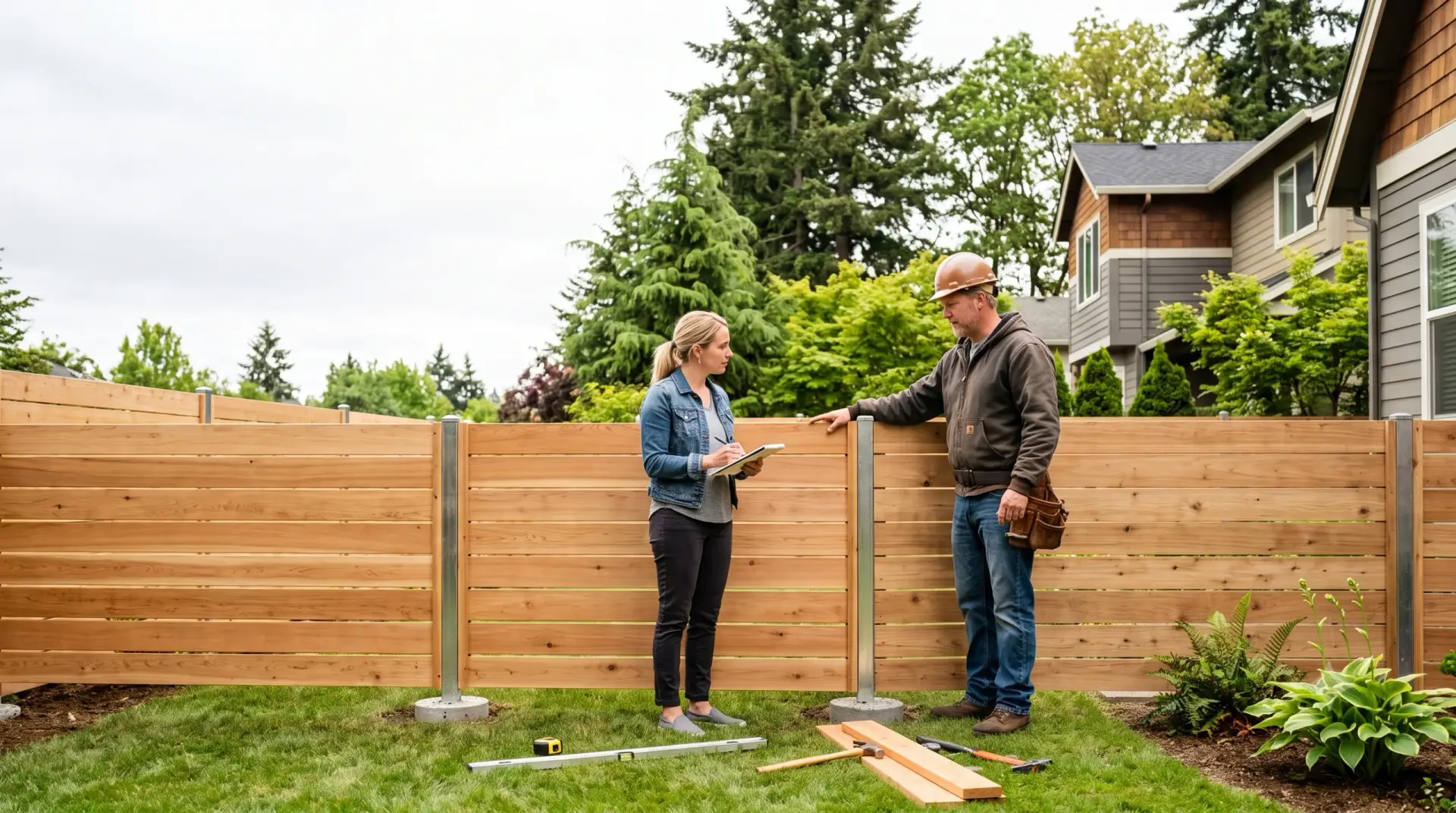
Start with the yard rather than the material. The first step is to look at grade changes, corners, gates, planting beds, privacy needs, and how much maintenance you want to manage. A simple wood fence may be the better fit when flexibility matters. Vinyl fence installation may make more sense when the layout is straightforward and low upkeep is the priority.
In the end, the better fence is the one that fits the property and the way the space is used. Cool Cat Fence installs both wood and vinyl fencing, so homeowners can compare the options based on the property rather than forcing one material into every yard. Contact our team to discuss the layout, gate needs, privacy goals, and fence style that make sense for your home.
FAQ
Can a wood fence work better for a yard with grade changes?
Often, yes. Wood gives the installer more flexibility with rails, picket spacing, gates, and post placement when the yard has small grade changes or an irregular layout. The best approach still depends on the specific property and fence style.
Is vinyl fencing a good choice for a straight fence line?
Yes. Vinyl fencing can be a practical option for a straightforward fence line where the homeowner wants a clean appearance and lower routine maintenance.
Can a picket fence provide full privacy?
Usually not. A traditional picket fence is better suited to boundaries, gardens, and curb appeal. Homeowners who need more privacy generally need taller sections with less open space between boards or panels.
Which fence requires less maintenance?
Vinyl usually requires less routine maintenance because it does not need painting or sealing. Wood requires more care, but it offers greater flexibility for custom layouts, adjustments, and certain repair situations.