The cost of fence and installation includes the selected materials, posts, hardware, and labor, plus any separately priced removal, gates, or site preparation. For Seattle and Portland homeowners, we explain how to calculate a preliminary budget and compare quotes for the same fence specifications—not just the same length.
A chain link fence, wood privacy fence, vinyl panel system, and ornamental iron fence serve different purposes. Compare designs that meet the same requirements for privacy, access, and appearance.
What’s the Average Fence Installation Cost in 2026?

In 2026, many professionally installed residential fences fall somewhere between $20 and $60 per linear foot, with simpler chain link projects landing lower and custom wood, vinyl, steel, or ornamental designs landing higher. Homeowners typically spend between $3,500 and $9,000+ on a standard backyard fence installation project, depending on material, fence height, gates, access, and old fence removal.
Of course, the total cost will depend on your fence material, yard size, height, layout, gates, and site conditions. Here’s a practical 2026 planning range for common fencing materials:
| Fence Material | 2026 Planning Range Per Linear Foot |
|---|---|
| Chain Link | $15–$40 |
| Black Vinyl-Coated Chain Link | $20–$45+ |
| Wood Fences | $25–$60+ |
| Horizontal Wood Fences | $35–$70+ |
| Vinyl Fencing | $30–$65+ |
| Ornamental Iron / Metal Fencing | $40–$90+ |
Fence Cost by Material in 2026

Compare the initial installation price with the maintenance each material requires. If you are considering wood, our wood fence maintenance guide explains the care to plan for after installation.
Chain Link Fence
Planning range: $15 to $40 per linear foot
Chain link is usually one of the most affordable options for large yards, pet areas, side yards, and practical property boundaries. Standard galvanized chain link keeps costs lower, while vinyl-coated chain link costs more because of the upgraded finish.
If you want the function of chain link fencing without the bright silver look, compare the added cost of black coating before deciding. Our guide to black chain link fence cost explains when that upgrade is worth it and when standard chain link may be enough.
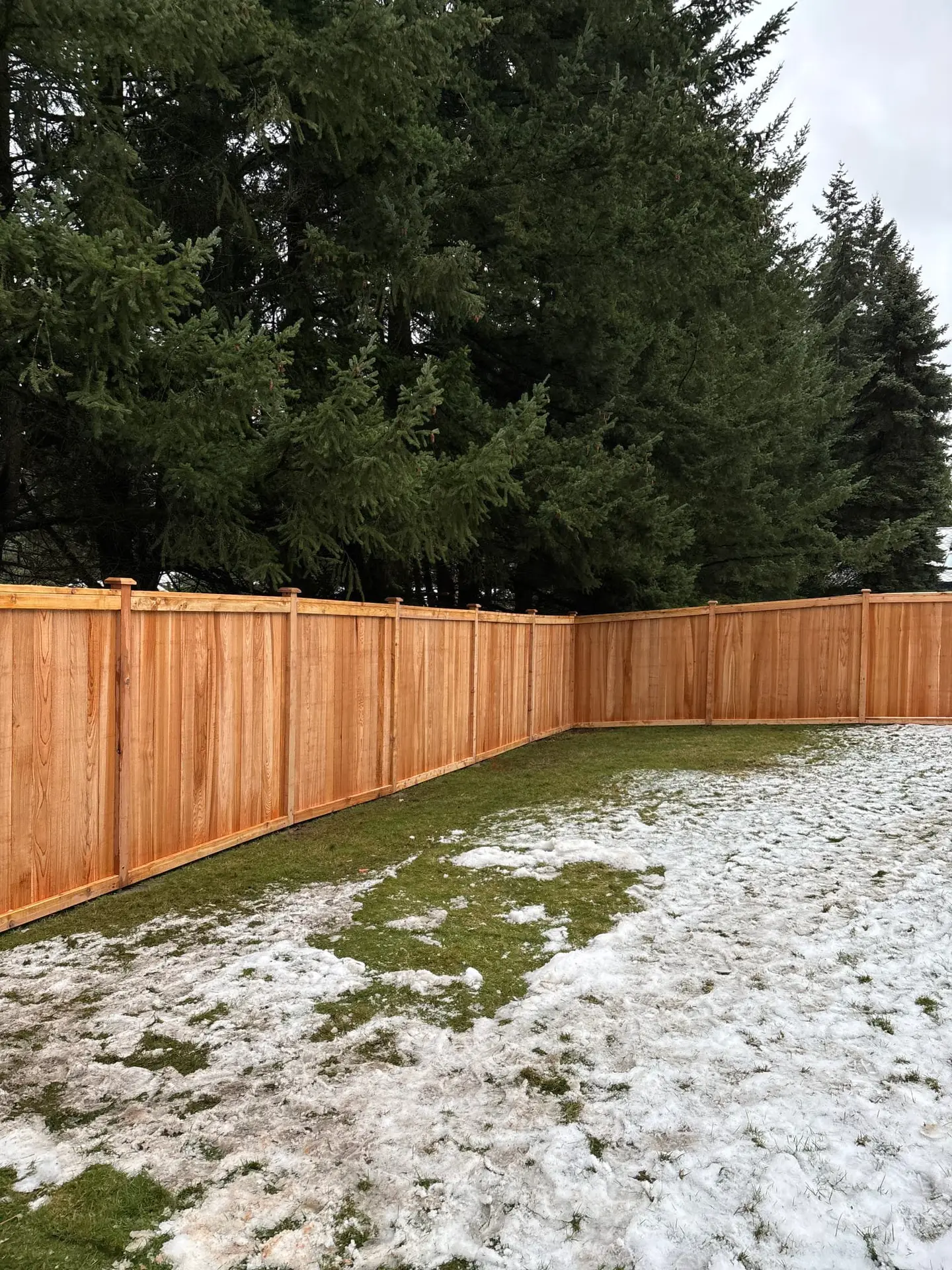
Wood Fences
Planning range: $25 to $60+ per linear foot
For a wood fence in Seattle or Portland, compare the specified board species and grade alongside the post material and construction method. Review our cedar fence options before requesting a quote with those specifications clearly identified.
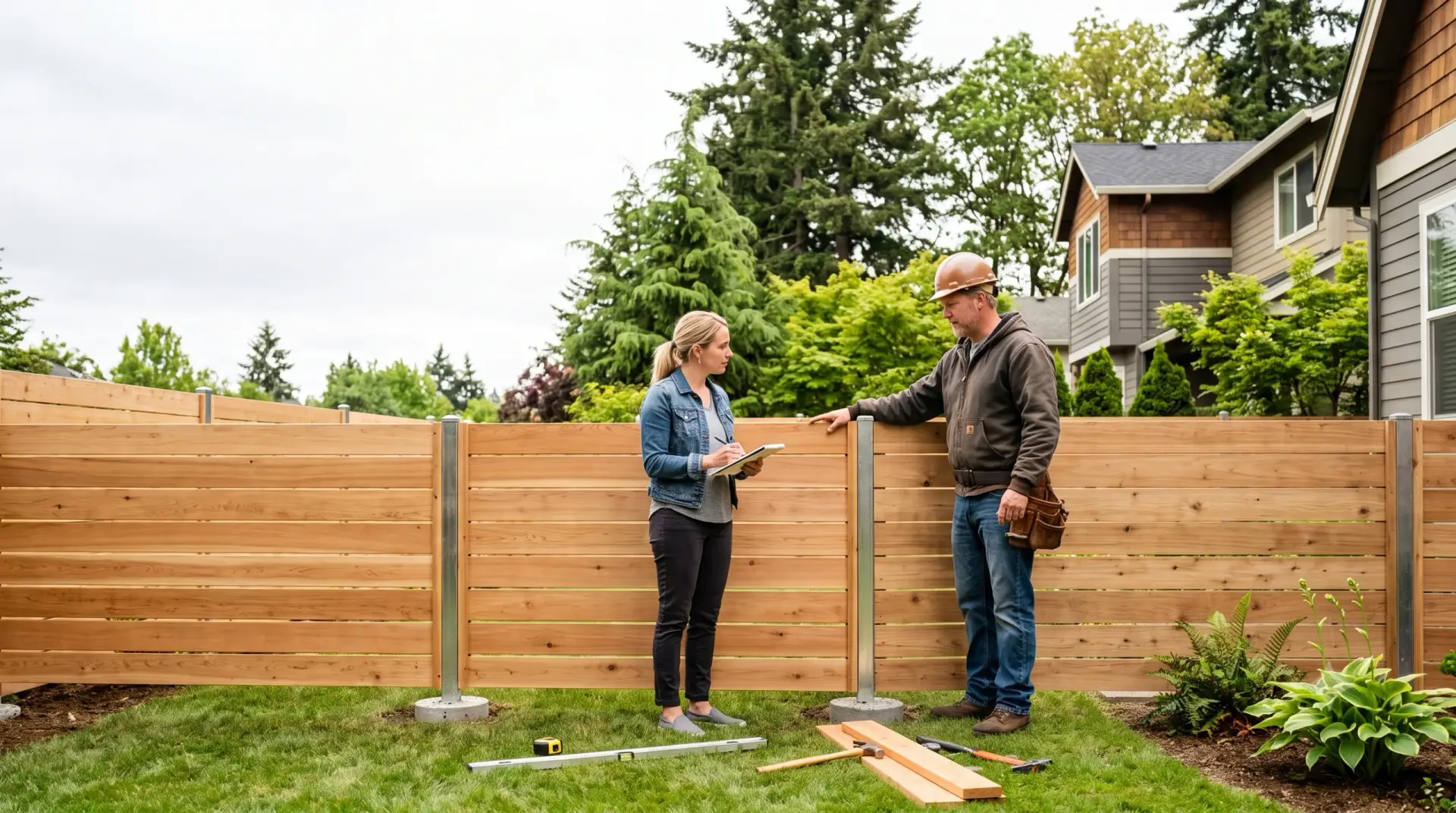
Style also changes the price. A simple vertical privacy fence is usually more affordable than a board-on-board or horizontal wood fence because horizontal layouts require cleaner alignment, stronger framing, and more careful installation. Wood can look beautiful for years, but homeowners should budget for maintenance, staining, sealing, and occasional repairs.
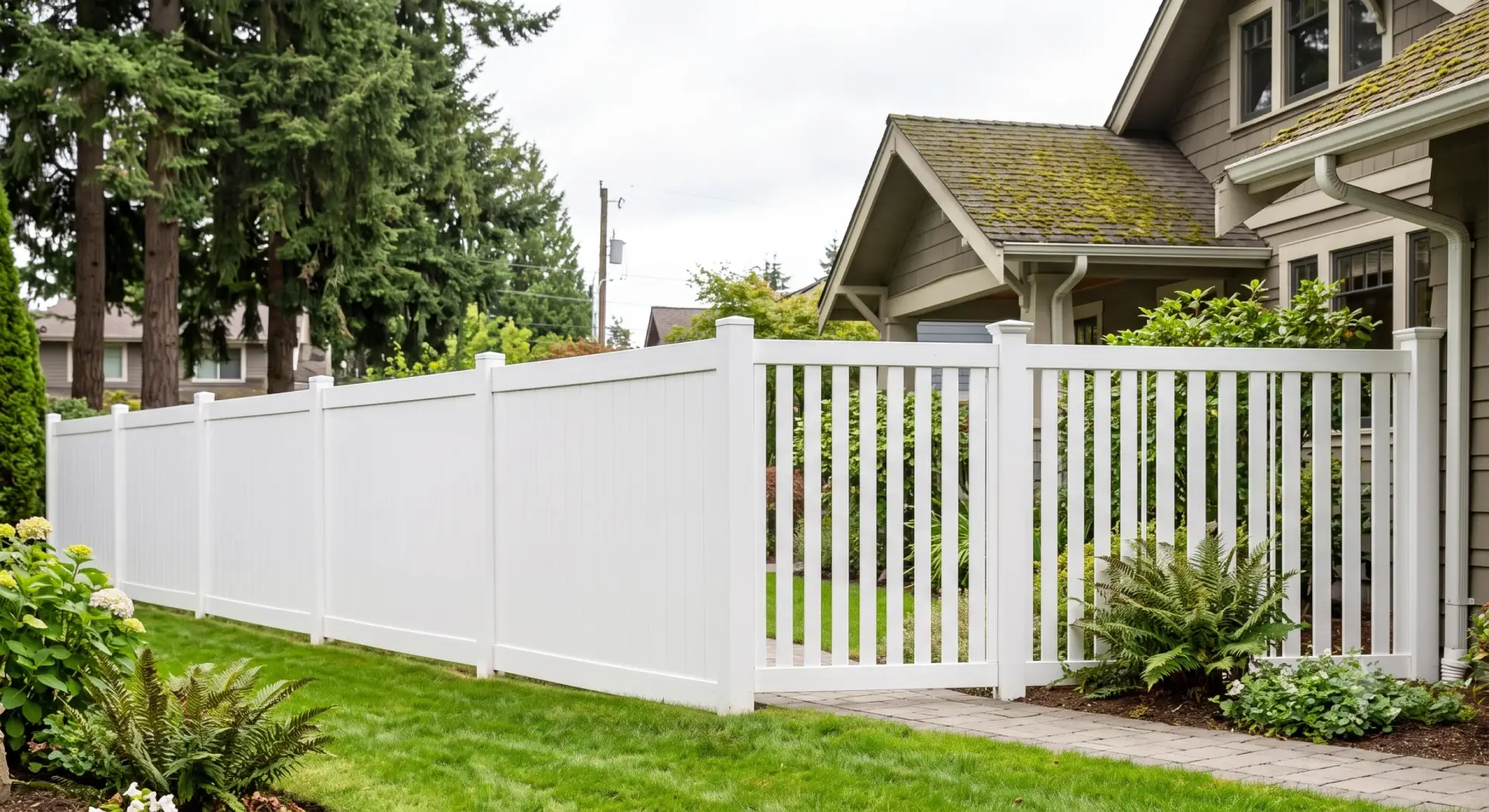
Vinyl Fencing
Planning range: $30 to $65+ per linear foot
Vinyl fencing is a strong option when homeowners want privacy with less routine maintenance than wood. It can cost more upfront, especially for full privacy panels, reinforced rails, taller layouts, or multiple gates. The tradeoff is lower ongoing upkeep because vinyl does not need staining or sealing.
Composite Fencing
Planning range: $35 to $70+ per linear foot
Composite fencing can be a good fit for homeowners who want a cleaner look and lower maintenance than traditional wood. It usually costs more upfront, but the long-term value may make sense if you want fewer staining, sealing, or repair needs over time.
Ornamental Iron Fences
Planning range: $40 to $90+ per linear foot
Ornamental iron fences are strong, decorative, and commonly used for front yards, classic homes, security, and curb appeal. These fences do not provide full privacy, but they create a polished boundary where visibility matters.
What Impacts the Final Price of a Fence Installation Project?

Several factors affect the final price beyond material alone. When comparing fence contractors, make sure each estimate is based on the same scope, not just the same per-foot number.
Linear Footage
The longer the fence line, the more material, posts, concrete, hardware, and labor the project requires. A 100-foot fence will usually cost much less than a 250-foot fence, but the per-foot price can still change based on access, gates, and layout.
To prepare a preliminary budget:
- Measure each proposed fence run and record gate openings separately.
- Note the height, material, and style for each section.
- Mark corners, changes in direction, slopes, and access restrictions.
- Multiply the fence length by an installed rate for the selected specifications.
- Add only work excluded from that rate, such as separately quoted gates or demolition.
Confirm how gate openings are counted in the estimate. Do not add labor again if the rate already includes installation. Measuring the proposed route does not establish the legal property boundary.
Fence Height
A taller fence usually costs more because it needs more material, deeper or stronger posts, and more labor. A 6-foot privacy fence is common for backyards, while taller or decorative sections may require extra planning depending on local rules.
Fence Posts and Footings
Post construction is part of the installation cost, not just a material detail. Ask which post system, spacing, footing method, and gate supports the estimate includes. Rocky ground, buried concrete, or restricted equipment access can change the work required.
Compare these specifications across bids. Two quotes for the same fence length may include different post systems or different allowances for removing existing footings.
Terrain and Yard Conditions
Uneven terrain, tree roots, rocky soil, drainage issues, retaining walls, and hard-to-access areas can raise the installation cost. These conditions may require more prep time, extra materials, specialized equipment, or additional care around existing landscaping.
A flat, open backyard is usually easier and less expensive to fence than a sloped Seattle lot, a tight Bellevue side yard, or a wet Portland property with heavy roots and limited crew access.
Gates and Features
Gates often add more cost than homeowners expect because they need framing, hinges, latches, stronger posts, and careful alignment. A basic walk-through gate costs less than a double gate or drive-through opening, while custom hardware, post caps, arbors, anti-dig boards, lattice, or decorative upgrades can raise the overall price.
Removal of Existing Fence
If you’re replacing an old fence, budget for removal, hauling, disposal, and possible cleanup around old posts or concrete. Removal costs can rise if the old fence is overgrown, damaged, heavy, buried, or difficult to access.
Local Regulations and Permits
Permit exemptions and zoning limits are separate. Under Seattle’s fence requirements, fences up to eight feet generally do not need a construction permit when masonry or concrete portions do not exceed six feet, but flood-prone locations require one. This exemption does not authorize an eight-foot solid fence everywhere; zoning and placement restrictions still apply.
Under Portland’s fence permit requirements, wood fences over seven feet require a building permit. Different thresholds apply to masonry and wire fencing, and pool barriers require permits regardless of height. Check the requirements for the specific property before finalizing the design.
Average Fence Installation Costs by Yard Size
Here’s a practical 2026 planning breakdown based on common residential fence sizes:
| Fence Size | 2026 Planning Budget | Common Use |
|---|---|---|
| 100 linear feet | $2,500–$6,000+ | Small yards, side yards, pet areas, garden fencing |
| 150 linear feet | $3,750–$9,000+ | Typical residential backyard fence |
| 200 linear feet | $5,000–$12,000+ | Larger backyard or full-side enclosure |
| 300 linear feet | $7,500–$18,000+ | Larger lots, long property lines, mixed-use layouts |
| 400 linear feet | $10,000–$24,000+ | Large properties, multi-section projects, premium layouts |
These examples assume professionally installed fencing and broad material ranges. Chain link may fall toward the lower end. Custom wood, horizontal designs, vinyl privacy, ornamental iron, steel panels, multiple gates, and difficult terrain can push the project higher.
How to Save Money on Fence Installation

Fence projects can add up quickly, but the goal should be to control the scope without weakening the installation.
You can usually reduce or manage the budget by:
- choosing a simpler layout with fewer corners;
- limiting custom gates and decorative extras;
- comparing materials honestly before choosing a premium style;
- removing small obstacles before installation when safe to do so;
- deciding on gates, anti-dig boards, and upgrades before work begins;
- asking what is included in removal, cleanup, hardware, and post setting;
- considering fence financing options if the project is needed now but the full upfront payment is not ideal.
With regular fence maintenance, your fence will last longer and you can catch small issues before they turn into costly repairs.
If your old fence is still structurally sound, you might only need partial repairs or new fence posts to extend its life.
DIY vs. Professional Fence Installation Services
DIY can make sense for a small, simple, low-risk fence section. It becomes more difficult when the project includes privacy height, gates, slopes, hard soil, roots, shared property lines, or a tight urban lot.
Before choosing DIY, remember that costs can still include tool rental, concrete, delivery, demolition, disposal, utility marking, permits where required, and repairs if the posts or gates are not set correctly.
Professional installation costs more upfront, but it gives you experienced layout, cleaner post setting, better gate alignment, safer digging practices, and a clearer installation process. Cool Cat Fence uses in-house installers rather than subcontracting the work, which helps keep communication and quality control more consistent from estimate to final walkthrough.
Seattle vs. Portland: What’s the Difference in Fence Cost?
Seattle and Portland are both Pacific Northwest markets, but fence pricing can still differ from one property to another.
In Seattle, Bellevue, Tacoma, Everett, and Olympia, costs are often affected by slopes, dense neighborhoods, wet soil, older landscaping, tight side yards, and higher labor demand. Cedar privacy fences, horizontal wood fences, ornamental iron-style fencing, chain link, vinyl, and steel panel options can all make sense depending on the yard.
In Portland, Salem, Tualatin, Sherwood, Vancouver, and nearby Oregon/Washington communities, pricing may be shaped by lot size, access, material sourcing, tree roots, drainage, and city-specific fence rules. Chain link and vinyl can be practical for larger enclosures, while wood and horizontal designs are often chosen when privacy and curb appeal matter more.
The best comparison is not Seattle vs. Portland in general. It is your exact fence line, material, height, gates, removal needs, and site conditions.
Frequently Asked Fence Cost Questions
What’s the cheapest fencing material?
Chain link is usually the cheapest professionally installed fence material, especially for long property lines, pet areas, and practical boundary fencing. Standard galvanized chain link usually costs less than black vinyl-coated chain link.
How much should I budget per linear foot in 2026?
A realistic planning range is often $20 to $60+ per linear foot, depending on material, height, layout, gates, access, and local labor costs. Custom wood, horizontal designs, vinyl privacy, ornamental iron, and steel panel fences may cost more.
Why do two fence estimates look so different?
Two contractors may include different materials, post systems, gate hardware, demolition, cleanup, staining, permits, or warranty coverage. Always compare the full scope, not just the per-foot number.
Does fence height affect pricing?
Yes. Taller fences usually require more material, stronger posts, deeper footing work, and more labor. They may also involve additional zoning or permit questions depending on the city and fence type.
Do Seattle or Portland fences always need permits?
No. Permit requirements depend on height, material, location, and project conditions. Seattle and Portland use different rules, so homeowners should check the current city requirements before building.
What should be included in a fence estimate?
A written estimate should identify the fence length, height, materials, post system, gates, hardware, preparation, removal, and disposal. It should also state exclusions, any applicable permit responsibilities, quote validity, and how unexpected site work will be priced and approved. Ask for any material or workmanship warranty terms in writing.
Let’s Build Your New Fence the Right Way
A new fence should protect your space, improve privacy, fit your budget, and hold up to the conditions around your home. That means the estimate should be based on more than a quick per-foot number.
Cool Cat Fence helps homeowners compare materials, understand cost factors, and choose a fence that makes sense for the property.
We serve homeowners across Seattle, Bellevue, Tacoma, Everett, Olympia, Portland, Salem, Tualatin, Vancouver, and surrounding areas with fence installation services shaped around the property, material, and budget.
If you’re planning a new fence in 2026, contact Cool Cat Fence to discuss your project and get a clearer price for your specific fence line.