If you’re planning a new fence in San Antonio, one of the first questions is simple: how much should you budget per linear foot? The answer depends on the fence material, fence height, yard layout, gate count, old fence removal, soil conditions, and whether your property has HOA or permit requirements.
Most homeowners are not just comparing fence companies. They are trying to understand whether a wood privacy fence, vinyl fence, chain link fence, cedar fence, or ornamental iron fence makes the most sense for their yard, budget, and long-term maintenance expectations. This guide breaks down realistic 2026 fence cost ranges in San Antonio, what affects the final price, and how to compare estimates without getting misled by a low starting number.
In 2026, fence costs in San Antonio can vary widely depending on the type of fence, materials, labor, gates, permits, yard access, and whether you want a simple boundary fence or a more finished privacy fence with upgraded posts, cap boards, or decorative details. For a broader breakdown of how materials and labor shape the final price, you can also use this fence and installation cost guide as a planning resource.
This article focuses specifically on San Antonio pricing logic, including wood, vinyl, chain link, ornamental iron, common project sizes, cost-saving choices, and local factors that can affect the estimate.
What Are Fence Costs in San Antonio

When homeowners ask how much a fence costs in San Antonio, they usually want two numbers: the price per linear foot and the likely total project cost. In 2026, many professionally installed residential fences fall somewhere between $20 and $60 per linear foot, with simpler chain link projects often landing lower and premium wood, vinyl, or ornamental iron projects landing higher. Current Cool Cat cost guidance uses a similar planning range for many installed residential fences, while HomeGuide lists national 2026 fence installation averages at $4,000–$12,000 or $20–$60 per linear foot for many wood and vinyl projects.1
For a 150–160 linear foot backyard fence in San Antonio, a realistic planning budget may start around $3,000–$5,000 for simpler materials and can move into the $5,000–$9,000+ range for wood privacy, vinyl, ornamental iron, multiple gates, old fence removal, or upgraded posts. The final number depends on what is included in the quote, not just the linear-foot price.
That said, not all fences are priced the same way. A basic chain link fence may be the most affordable option, while a 6-foot wood privacy fence, vinyl privacy fence, or ornamental iron-style fence can cost much more because of materials, post depth, gate hardware, and labor. In San Antonio, cedar privacy fencing may also price higher than basic pressure-treated pine, especially when homeowners add rot boards, cap boards, upgraded posts, or staining.
What Drives Fence Price in San Antonio
Here are the biggest variables that affect fence cost in San Antonio:
| Cost Factor | Why It Matters |
|---|---|
| Fence material | Chain link usually costs less than wood privacy, vinyl, or ornamental iron. |
| Linear footage | More fence means more materials and labor, although larger projects may sometimes reduce the per-foot rate. |
| Fence height | A 6-foot privacy fence costs more than a shorter decorative or front-yard fence. Taller fences require more material and stronger posts. |
| Yard conditions | Rocky soil, roots, slopes, narrow access, and old concrete can increase labor. |
| Old fence removal | Tear-out, hauling, and disposal add time and cost. |
| Gates and hardware | Walk gates, double gates, hinges, latches, and reinforced posts can change the total fast. |
| Permits and HOA rules | San Antonio permit rules, front-yard limits, corner-lot visibility, historic districts, and HOA standards may affect design and approval. |
| Finish and upgrades | Cedar cap, rot board, staining, decorative trim, and upgraded posts raise the final price. |
Pricing by Fence Type and Materials (Per Linear Foot)

Use these 2026 ranges as planning numbers before requesting a written estimate. Your actual quote may be higher or lower depending on fence height, access, gates, removal, soil conditions, and finish details.
| Fence Type | Typical Installed Planning Range | Best For | Notes |
|---|---|---|---|
| Chain link | $9–$40/ft | Budget, pets, large runs, visibility | Height, gauge, coating, and gates affect cost. |
| Basic wood fence | $20–$35/ft | Practical backyard fencing | Pressure-treated pine usually stays lower than cedar. |
| Wood privacy fence | $27–$55/ft | Privacy, curb appeal, backyard comfort | San Antonio wood privacy fencing can vary by wood type, post system, rot board, and staining. |
| Premium cedar / decorative wood | $40–$70+/ft | Higher-end privacy and style | Cap boards, trim, horizontal layouts, and upgraded posts add cost. |
| Vinyl fencing | $30–$60/ft | Low-maintenance privacy | Higher upfront cost, lower routine maintenance. |
| Ornamental iron-style fence | $50–$85+/ft | Security, front yards, curb appeal | Strong visual appeal, but limited privacy. |
Wood Fence / Wood Privacy Fence
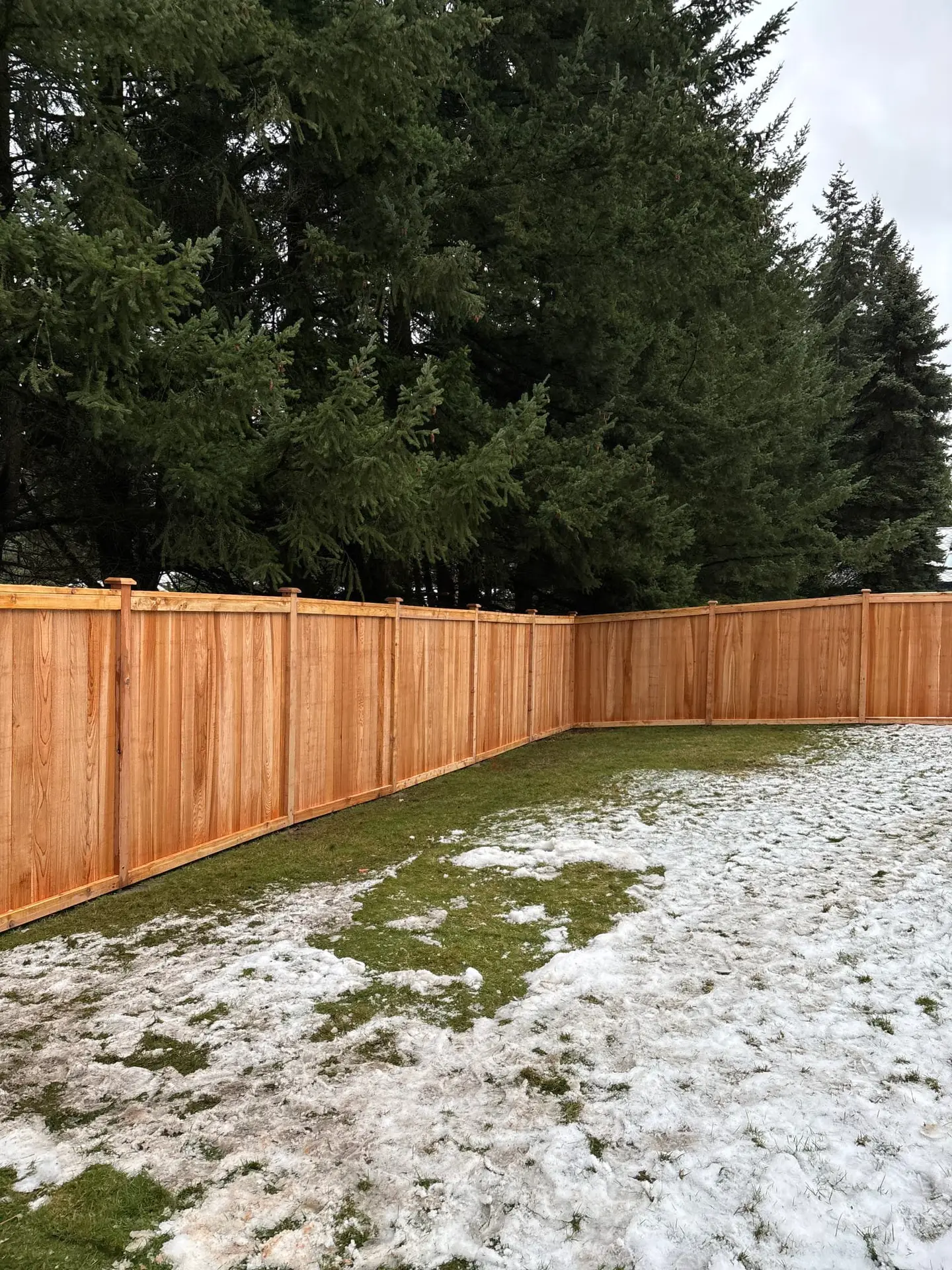
Wood fencing remains one of the most common choices for San Antonio homeowners because it offers privacy, warmth, and flexible design. A basic pressure-treated pine fence will usually cost less than cedar, while a cedar privacy fence can cost more because of the material, finish, post system, and design details.
For a 6-foot wood privacy fence in San Antonio, a practical planning range is often around $27–$50 per linear foot, with premium designs moving higher when homeowners add rot boards, cap boards, staining, upgraded posts, or horizontal layouts. Cool Cat’s Texas cost article gives San Antonio a similar range for 6-foot wood privacy fencing.
If you are still comparing styles, review different privacy fence options and wooden fencing ideas before choosing based on price alone. A simple vertical fence, a board-on-board layout, and a Full Panel wood fence may all be “wood fences,” but they are not the same estimate.
For additional cedar style and material context, Cool Cat’s guide to cedar fence installation in Seattle can be useful as a design reference, though San Antonio pricing should still be based on local labor, soil conditions, access, permits, and material availability.
Vinyl Fencing
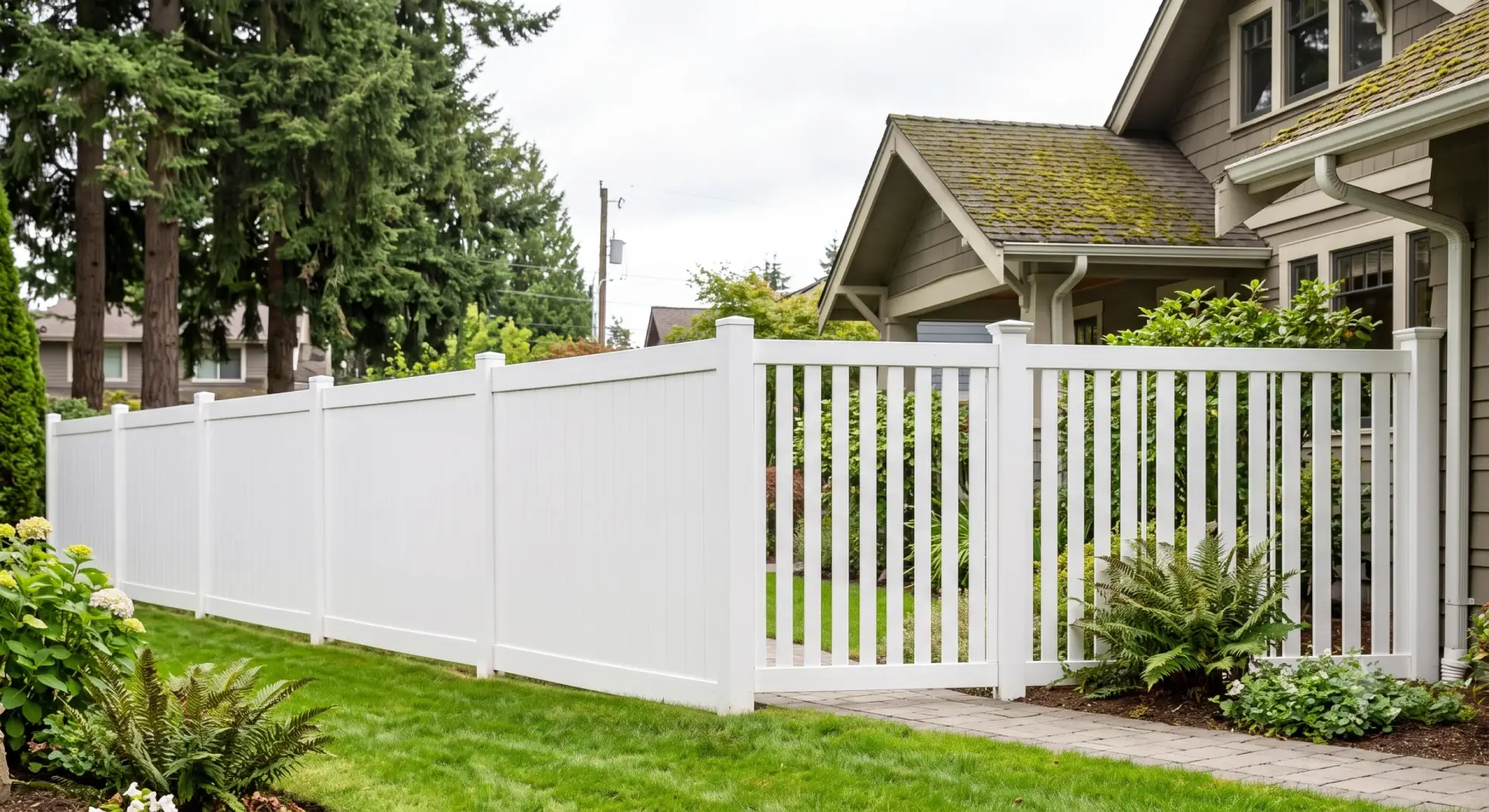
Vinyl fencing works well for homeowners who want a clean, low-maintenance fence without staining or sealing wood every few years. It can be a strong option for privacy, side yards, and homes where a consistent white or neutral panel style fits the neighborhood.
In 2026, many installed vinyl fence projects fall around $30–$60 per linear foot, depending on height, panel style, reinforcement, gates, and site conditions. Vinyl often costs more upfront than basic wood, but it may reduce long-term maintenance. If you are comparing both materials, this guide on whether wood is cheaper than vinyl can help clarify the trade-off.
Chain Link
If your priorities are budget, function, and visibility, chain link is often the most practical choice. It works well for pet areas, side yards, large runs, and back sections where privacy is not the main goal.
In 2026, installed chain link fencing commonly ranges from $9–$40 per linear foot, depending on height, gauge, coating, gates, and terrain. A basic galvanized chain link fence usually stays lower than vinyl-coated chain link or chain link with privacy slats.
Metal, Wrought Iron, and Custom Styles
For front yards, entries, pool areas, and properties where security and curb appeal matter more than full privacy, ornamental iron-style fencing can be a strong choice. It usually costs more than chain link and many wood fences, but it delivers a more finished architectural look.
In 2026, many wrought iron or ornamental metal projects fall around $50–$85+ per linear foot, depending on height, panel style, coating, gates, and installation complexity. If you want a decorative option with a more upscale appearance, an ornamental iron fence may be worth comparing with wood or vinyl.
Example Project Cost Breakdowns

Here are more realistic 2026 planning examples for San Antonio homeowners:
| Example Project | Planning Range |
|---|---|
| 150 linear feet of basic chain link with one gate | $2,250–$4,500 |
| 150 linear feet of budget wood fencing | $3,000–$5,250 |
| 150 linear feet of 6-foot wood privacy fencing | $4,050–$8,250 |
| 180 linear feet of vinyl privacy fencing | $5,400–$10,800 |
| 120 linear feet of ornamental iron-style fencing | $6,000–$10,200+ |
These are planning ranges, not guaranteed quotes. A real estimate should explain whether it includes old fence removal, hauling, concrete, gates, permit handling, staining, cleanup, and any HOA-related changes.
How to Save Without Sacrificing Quality Workmanship
Everyone wants to save money, but smart savings matter more than chasing the cheapest bid. Here are practical ways to control the budget:
- Keep the layout as straight and simple as possible.
- Choose a standard 6-foot height instead of upgrading to taller panels where they are not needed.
- Use privacy fencing only where privacy matters most.
- Consider chain link for less visible areas or long runs.
- Limit decorative upgrades if the core budget is tight.
- Ask whether old fence removal, hauling, gates, and cleanup are included.
- Compare quotes by scope, not just by the final number.
A low estimate may not include the same materials, post depth, gate hardware, disposal, permits, or warranty coverage. That is why two fence quotes can look very different even when the linear footage is the same.
Why Choose the Right Fencing Contractor or Fence Company?
So many homeowners pick the lowest bid first, then discover that the quote did not include the same scope. A stronger estimate should explain the fence material, height, post system, gate hardware, old fence removal, hauling, concrete, permit assumptions, and any warranty coverage.
At Cool Cat Fence, the company emphasizes in-house crews, clear communication, financing options, and warranty-backed installation rather than subcontracted work. The provided company materials state that Cool Cat uses in-house employees and offers a 3-year limited warranty for material and craftsmanship, with additional warranty terms for specific products.
How Much Is a Fence in San Antonio Today?

Still asking how much a fence costs in San Antonio in 2026? Use this as a practical starting point:
- Chain link: $9–$40 per linear foot
- Budget wood fence: $20–$35 per linear foot
- 6-foot wood privacy fence: $27–$55 per linear foot
- Premium cedar or decorative wood fence: $40–$70+ per linear foot
- Vinyl fencing: $30–$60 per linear foot
- Ornamental iron-style fencing: $50–$85+ per linear foot
A typical 150–200 linear foot residential fence project may fall anywhere from $3,000 to $10,000+, depending on materials, height, layout, gates, old fence removal, site access, and upgrades. The safest way to compare pricing is to ask each contractor for a detailed written estimate.
Frequently Asked Fence Price Questions
What’s the cheapest fence?
Chain link is usually the cheapest installed fence type. In 2026, installed chain link often ranges from $9–$40 per linear foot, depending on height, coating, gauge, gates, and site conditions. A basic galvanized chain link fence will usually cost less than wood privacy, vinyl, or ornamental iron.
How much does replacing an existing fence cost?
Replacing an existing fence means budgeting for the new fence plus tear-out, hauling, and disposal. Cool Cat’s fence cost guide lists fence removal at about $3–$6 per linear foot, while actual replacement cost depends on the old material, post depth, concrete, access, and disposal requirements.
Does height affect price?
Yes, higher fences (like 8 ft) increase both materials and labor, pushing per‑foot costs higher. Taller fences require sturdier posts and more materials, which means more time and cost for installation.
Are permits required in San Antonio?
Yes, San Antonio generally requires a permit for new fences. For repairs or replacement of an existing fence, the City notes that repairs equal to 25% or less of the existing fence length do not require a permit, while larger replacements usually do. The residential fence permit application also lists a $25 permit fee plus surcharge and processing fee.
Can I DIY to save money?
DIY can reduce labor costs, but it is not automatically cheaper once you include tools, concrete, post-hole equipment, hauling, permit requirements, and the risk of mistakes. DIY makes the most sense for simple, short, accessible fence runs. For privacy fences, gates, slopes, rocky soil, or code-sensitive locations, professional installation is usually the safer choice.
How long does it take to install a fence?
Many straightforward residential fence installations take 1–3 days, but timing can change if the project includes old fence removal, multiple gates, concrete curing, difficult soil, HOA review, permit delays, or weather interruptions.
What maintenance does a wood fence require?
Wood fences need regular maintenance such as staining, sealing, or painting every few years to protect against weather damage and prolong their lifespan. Neglecting maintenance can lead to rot, warping, or pest issues.
Can neighbors share the cost of a fence?
Yes, sharing the cost with neighbors is common, especially for boundary fences. It can reduce your expenses, but be sure to have clear agreements on style, materials, and maintenance responsibilities to avoid conflicts.
Your Next Steps
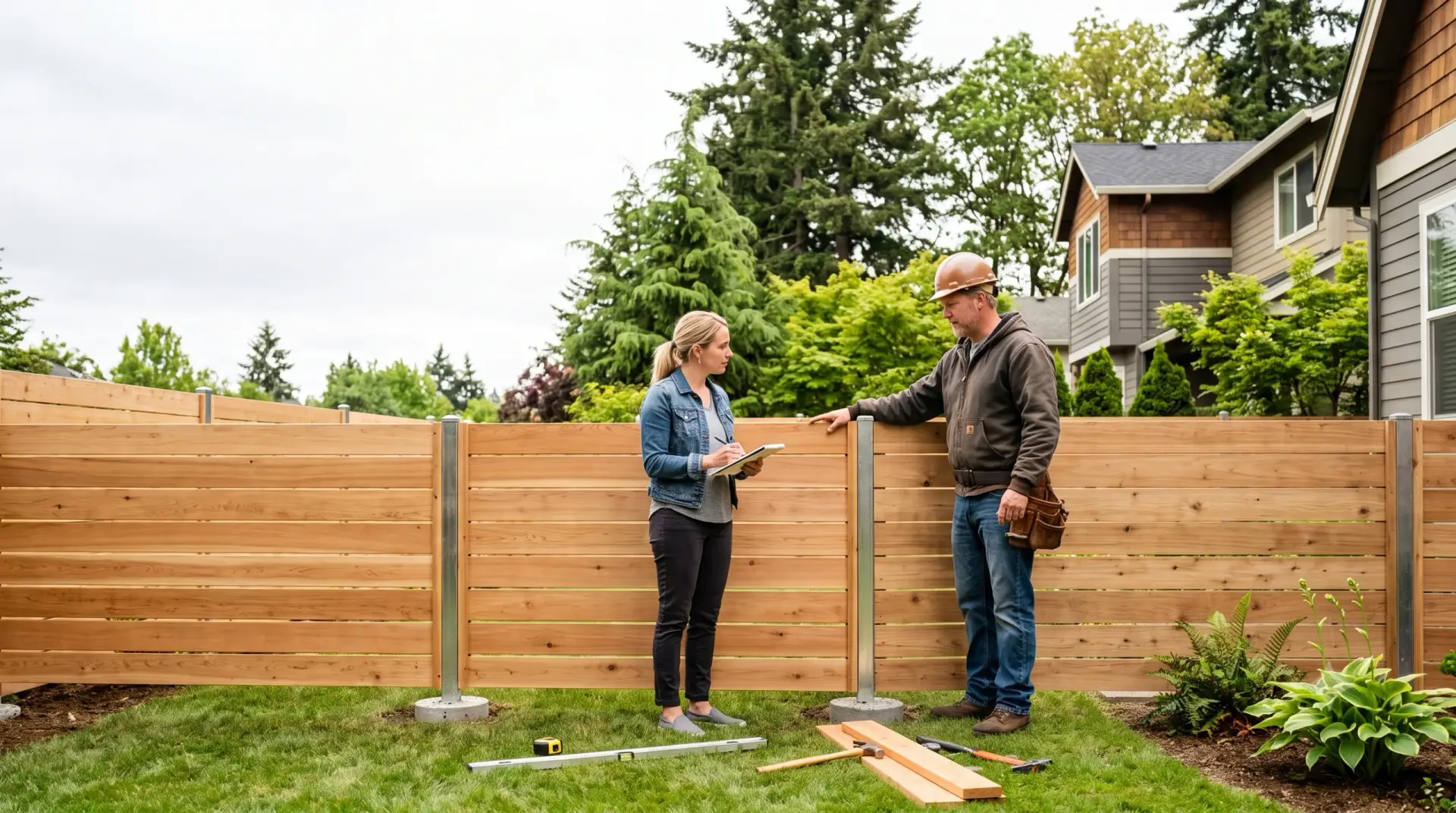
If you want a new fence for your San Antonio property, start with the basics: measure the linear footage, choose the material, decide how much privacy you need, and list any gates, old fence removal, HOA requirements, or permit questions. From there, Cool Cat Fence can help you compare options and plan a fence that fits your yard, budget, and long-term expectations.
A good fence estimate should not feel vague. It should explain what is included, what could change the final price, and how the material choice affects maintenance over time.