Chain link fence installation looks simple from the outside. A few posts, chain link fabric, a gate, and a clean fence line. In a real backyard, though, the work starts long before the chain link material arrives. Soil, slope, drainage, pets, access points, old posts, and the property line all shape how the fence should be planned.
At Cool Cat Fence, we look at chain link as a practical fencing option, not a shortcut. A properly installed chain link fence can work well for residential properties, pets, side yards, long runs, and commercial applications, but only when the layout, posts, gate placement, and materials match the site conditions. That is where a good fence contractor earns their keep.
Why Real Backyard Conditions Matter Before Chain Link Fence Installation
A backyard is rarely as flat and predictable as it looks in photos. One side may have uneven ground. Another may hold water after rain. Tree roots may push into the fence line. An older fence may have been placed close to the property line without clear documentation.
That is why a fence contractor does not start with the cheapest chain link material or a generic per linear foot estimate. The first job is to understand what the fence has to do. Is it meant to keep pets in? Define a side yard? Protect equipment? Create a safer boundary near an alley? The answer changes fence height, wire gauge, gate installation, post spacing, and material selection.
In Seattle, local building codes also matter. According to Seattle SDCI, a permit is generally not needed for a fence 8 feet high or lower if it does not include masonry or concrete elements over 6 feet, though taller fences need a construction permit.1 That matters because taller fences, special locations, and unusual site conditions can change both the planning process and the final fence cost.
What Fencing Professionals Check Before Setting the Fence Line
Before any post hole diggers or a power auger touch the ground, the fence line has to make sense. A string line may look like a small detail, but it helps reveal problems early. It shows whether the planned line runs cleanly, whether the grade changes suddenly, and whether gates will open into usable space instead of a slope, retaining edge, or tight walkway.
A contractor will usually look at terminal posts first because those posts carry the most stress. Terminal posts include corner and gate posts, end posts, and other major stopping points in the fence system. Line posts support the run between those points, but terminal posts take more pull from tension wire, tension bars, and chain link fabric. If those posts are undersized or poorly placed, the whole link fence can feel weak even if the fabric looks tight on day one.
This is also where marking underground utilities before digging becomes important. Washington’s Utilities and Transportation Commission says calling 811 is the way to request a free underground utility locate before digging.2 It is a simple step, but it can prevent a routine fence installation from turning into a dangerous and expensive mistake.3
Chain Link Fence Cost Is More Than a Fence Cost Per Linear Foot
Chain link fence cost is usually discussed by the linear foot, but that number only tells part of the story. Average costs can shift widely because the same 100-foot fence may have very different installation costs depending on fence height, soil, gate count, access, hardware components, and whether old materials have to be removed. Fence height is one of the first cost drivers: taller fences usually need heavier posts and more complex installation procedures, adding about 20–25% to material costs with each height increase. Location also matters, since metropolitan areas can run 20–40% higher than rural regions because labor availability and material transportation affect pricing.
Cost or planning factor | Verified numeric range | Why it matters |
Professional chain link fence installation | $8 to $40 per linear foot | Height, mesh, gates, and labor costs change the final price. |
General chain link fence cost range | $5 to $40 per foot | Chain link is one of the more affordable fencing options, with price varying mostly by height. |
Black vinyl-coated chain link | $15 to $45 per linear foot | Vinyl-coated options cost more but can improve the finished look |
Seattle fence permit threshold | Permit generally not needed at 8 feet or lower, with limits on masonry or concrete height | Helps homeowners understand when a building permit may enter the project. |
These ranges are useful starting points, not a substitute for a site visit. Chain link fence cost per foot installed can rise when rocky soil slows digging, when a slope requires stepped installation methods, or when access is too tight for specialized equipment. Site preparation can also move the estimate quickly: old fence removal may add $3 to $7 per linear foot, while significant slope work in Seattle can add $1,000 to $3,200 when grading or a stepped installation is needed. Material costs also shift with fence height, heavier gauges, galvanized steel, vinyl coating, post caps, and gate hardware, especially on complex installations where standard layout assumptions do not apply.
How Posts, Fence Height, and Soil Affect a Chain Link Fence
Most homeowners look at the chain link fabric first. Fencing professionals look at the posts. The posts decide whether the fence stays straight, whether the gate post holds alignment, and whether the fabric can stay properly stretched over time.
Line posts need consistent spacing and depth. Corner posts need enough strength to handle directional tension. Terminal posts need to be set with care because they anchor the system. A gate post needs even more attention because a swinging gate adds movement, weight, and daily stress that a fixed section never sees.
Concrete mix, post depth, and drainage all affect how well the posts perform. In Seattle, clay-heavy soil often requires post footings 24–36 inches deep, which can add $3 to $7 per post. In wet areas, water sitting around the base of a post can weaken the surrounding soil. On uneven terrain, the contractor has to decide whether the chain link should follow the ground, step with the slope, or use adjusted installation methods. A chain link fence can be cost-effective, but only when the posts are planned for the yard that actually exists.
Chain Link Fabric, Wire Gauge, and Material Selection
Chain link fencing remains popular because it is open, durable, and practical. It can mark a boundary without making a yard feel boxed in. For kids, dogs, side yards, and service areas, that open visibility is often the point.
Still, not all chain link fabric performs the same way. Wire gauge affects strength, durability, and cost. Heavier gauge materials usually feel more rigid and can be better suited for active dogs, higher-use gates, or commercial applications, with each gauge reduction typically increasing fabric costs by 15–30%. Galvanized steel is common because it resists rust, while vinyl-coated options can soften the look and help the fence blend into a backyard more naturally.
The best materials depend on the project. A basic residential installation may not need the same chain link fabric as a long fence around equipment, a high-use rental property, or a yard with larger pets. Quality materials matter because a weak chain link fence can look fine at first, then start showing tension problems, sagging fabric, loose tension bands, or bent posts after regular use. With quality materials and professional installation, chain link fences can last 20–30 years or more, while heavier gauge materials and enhanced finishes may reduce maintenance and replacement costs over time.
Why Gate Planning Matters in Fence Installation
A fence can be properly installed and still feel annoying if the gate is in the wrong place. Gate installation should be planned around real movement, not just the shortest path through the fence line.
A contractor will look at how people carry trash bins, move lawn equipment, bring in materials, or guide pets through the yard. If a gate opens into a narrow slope, it may become frustrating within weeks. If the gate post is set in soft ground, the latch can drift out of alignment. If the gate is too narrow, simple backyard tasks become harder than they need to be.
This is where professional installation often pays off. It is not only about setting posts straight; it is about understanding how the fence will be used after the crew leaves.
When Black Chain Link Fence Makes Sense for Real Backyards
Standard galvanized chain link has a familiar look. It is practical, visible, and straightforward. Black chain link can feel more finished because the vinyl coating usually reads softer against grass, landscaping, trees, and darker exterior details.
For homeowners comparing curb appeal with cost, black chain link fence in real backyards can be a smart middle ground. It keeps the open visibility of chain link while giving the fence a cleaner visual edge. It can also make sense when the yard does not need full privacy but still needs a reliable boundary.
That said, black chain link is not the best answer for every property. If the main goal is privacy, a wood or vinyl fence may serve the yard better. If the goal is long sightlines, pet control, and a cleaner appearance than standard metal mesh, black chain link deserves a closer look.
When Other Fencing Options May Fit Better
A chain link fence is practical, but it is not always the right fence. Some yards need privacy from a close neighbor. Some need stronger visual separation from a street. Others need a warmer architectural look because the fence sits next to a patio, deck, or outdoor living area.
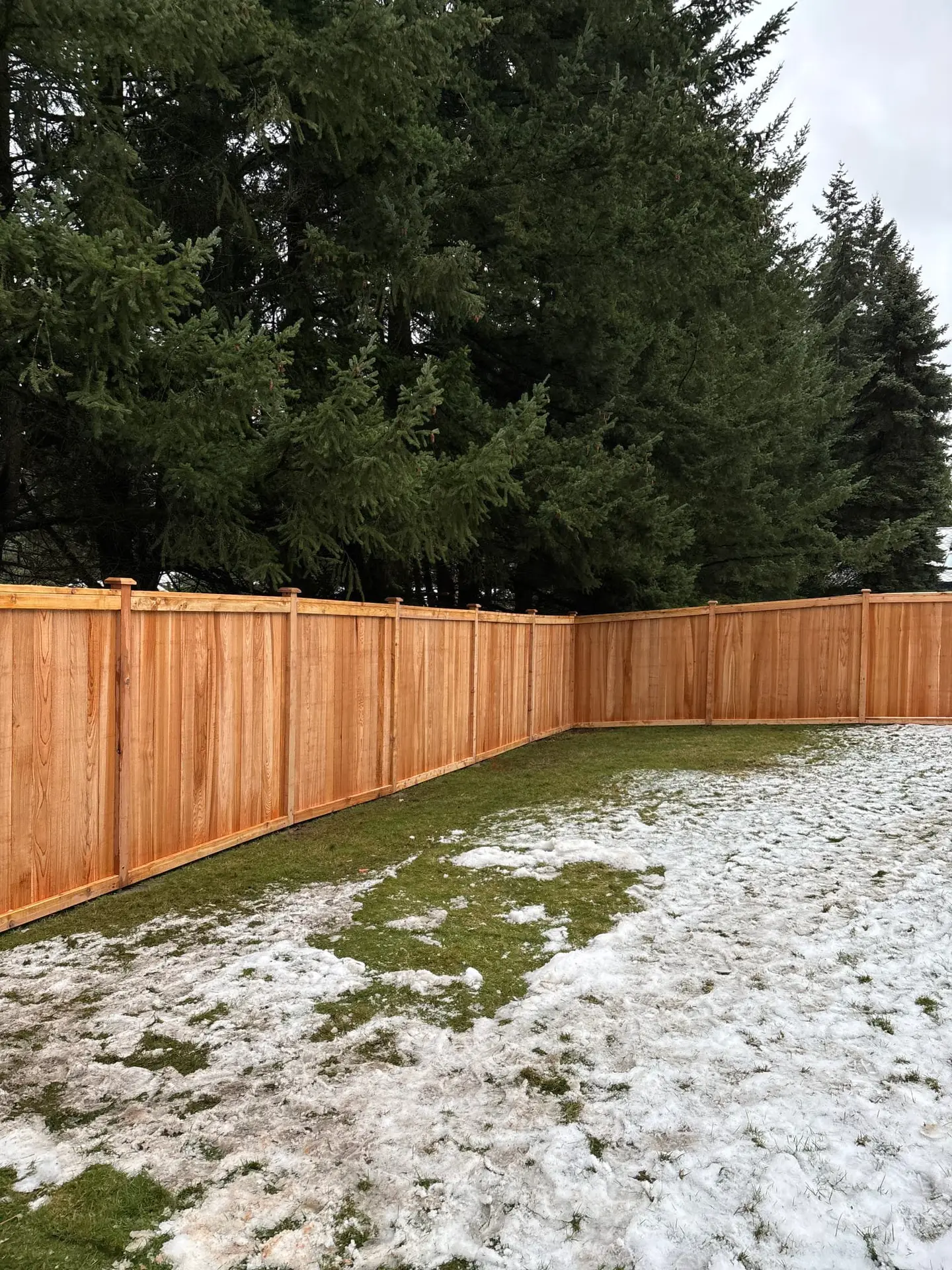
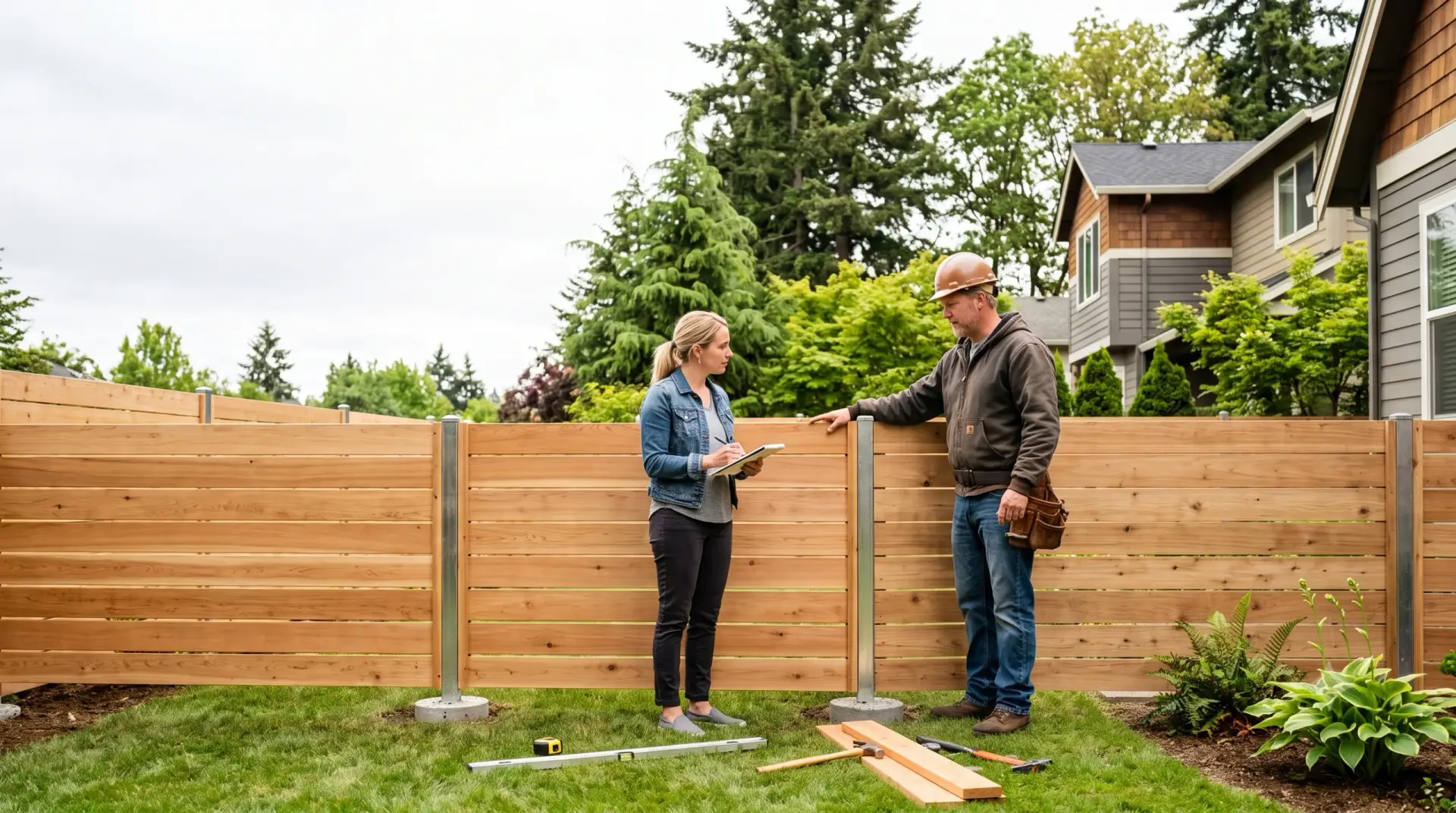
In those cases, a horizontal wood fence design may fit the property better. Wood changes the feel of a yard in a way chain link cannot. It can create privacy, define outdoor rooms, and make a backyard feel more finished. The tradeoff is maintenance. Wood has different material requirements and needs more attention over time, especially in a wet climate.
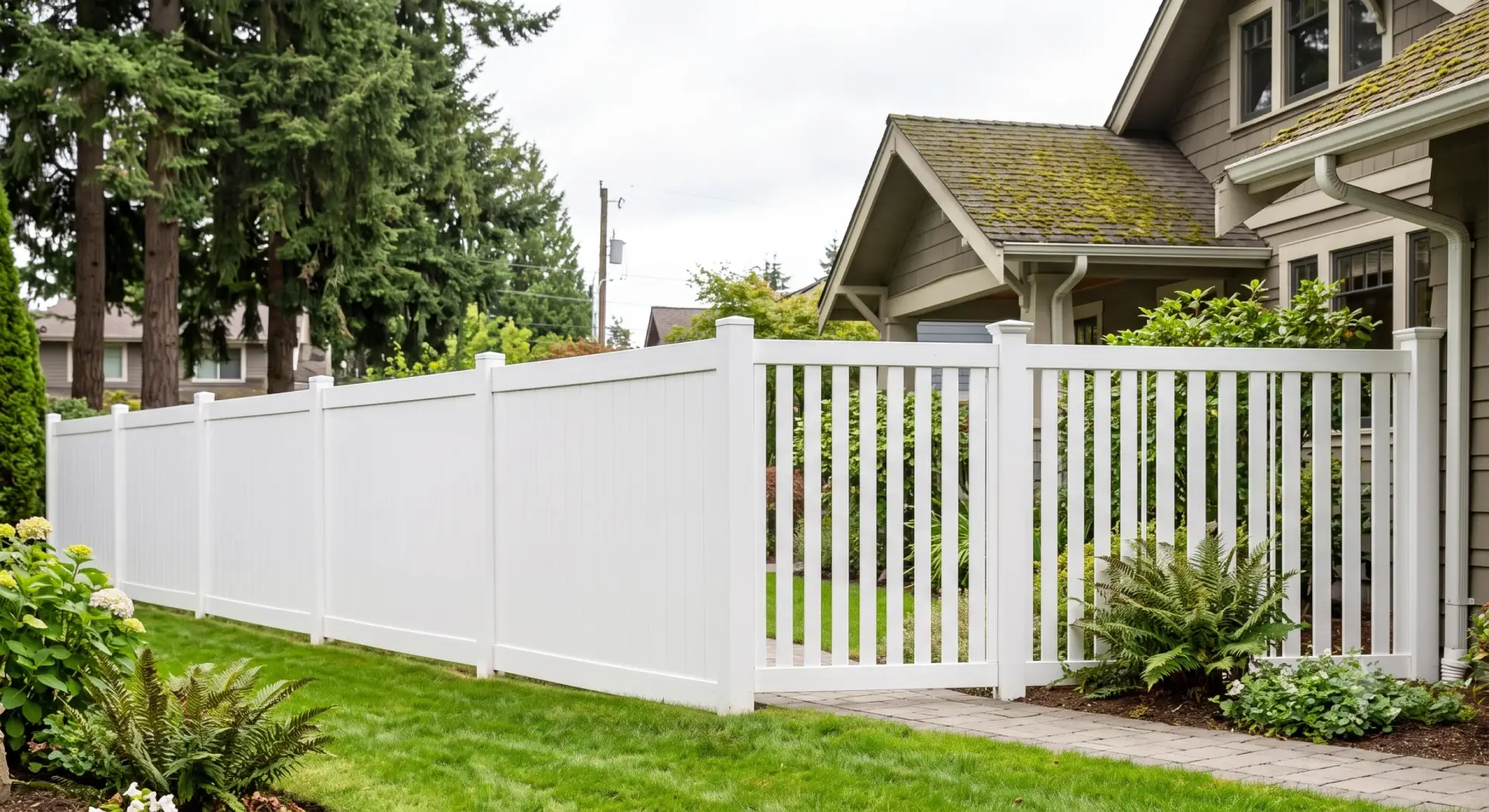
Good fencing services should help compare fencing options honestly. Chain link may be the most cost effective choice for a long boundary. Wood may make more sense near a sitting area. Vinyl may be better for homeowners who want privacy with lower maintenance. The right answer depends on how the property is actually used.
What Homeowners Should Clarify Before Hiring a Fence Contractor
Before asking for a free estimate, it helps to be clear about the basics: property line confidence, gate locations, pets, fence height, old fence removal, underground utilities, site preparation, preferred materials, and whether the project needs simple function, better appearance, or both.
That one conversation can save time. It gives the contractor enough context to judge material costs, labor costs, installation methods, and possible issues before the project starts.
Final Thoughts
A chain link fence is often chosen because it is practical, durable, and cost-effective. But a strong result still depends on planning, especially when a new fence has to work around wet soil, pets, gates, slope, and daily backyard use. Posts have to match the soil. Gates have to match daily use. Chain link fabric has to match the pressure the fence will take. Local building codes, underground utilities, slope, and access all have to be handled before the first hole is dug.
For homeowners comparing chain link fence installation in Seattle, the goal should not be the lowest number on paper. The goal should be a properly installed fence that fits the backyard, holds its line, and keeps working after the first wet season. That is the difference between basic fencing work and expert advice from a contractor who understands real site conditions.
FAQ
How much does a chain link fence cost?
Chain link fence cost often ranges from about $8 to $40 per linear foot for professional installation, depending on height, materials, gates, and site conditions.
Is chain link fence installation good for Seattle yards?
Yes, chain link can work well in Seattle when posts, drainage, slope, and soil are planned correctly. Wet ground and uneven terrain need careful layout and solid post setting.
Do I need a building permit for a chain link fence in Seattle?
Seattle generally does not require a permit for fences 8 feet high or lower if they do not include masonry or concrete elements over 6 feet, but special cases can still apply.
What affects chain link fence cost the most?
Fence height, linear foot length, wire gauge, vinyl coating, gates, labor costs, rocky soil, old fence removal, and site preparation are key factors.
Is black chain link more expensive than galvanized steel?
Usually, yes. Black vinyl-coated chain link often costs more than standard galvanized steel because of the coating and finished appearance.
Can I install a chain link fence myself?
DIY installations are possible, but they require proper tools, careful layout, post setting, tension bars, tension bands, and enough time to stretch the fabric correctly.
Why are terminal posts so important?
Terminal posts carry major tension at corners, ends, and gates. If they are weak or poorly set, the whole link fence can lose alignment.
Should utilities be marked before fence installation?
Yes. In Washington, calling 811 before digging helps locate underground utilities and is described as a free underground utility locate service.