Seattle weather has a way of turning a simple outdoor project into a timing problem. The fence may be built. The deck may look clean. The wood may even feel dry when you touch it. Still, that does not always mean it is bone dry enough for staining, rain exposure, furniture, or normal use.
That is where most homeowners usually get stuck. Many ask how long stain needs to dry, hoping for a straightforward answer. It depends. The wood, stain formula, weather conditions, and prep before the first coat all matter. This comprehensive guide explains why a freshly stained deck in deep shade after a damp week is on a completely different timeline from a dry fence panel with warm air moving around it.
For fences, decks, gates, and other outdoor wood surfaces, drying time is not just fine print on the can. It shapes the whole schedule.
Weather Delays Start Before the Stain
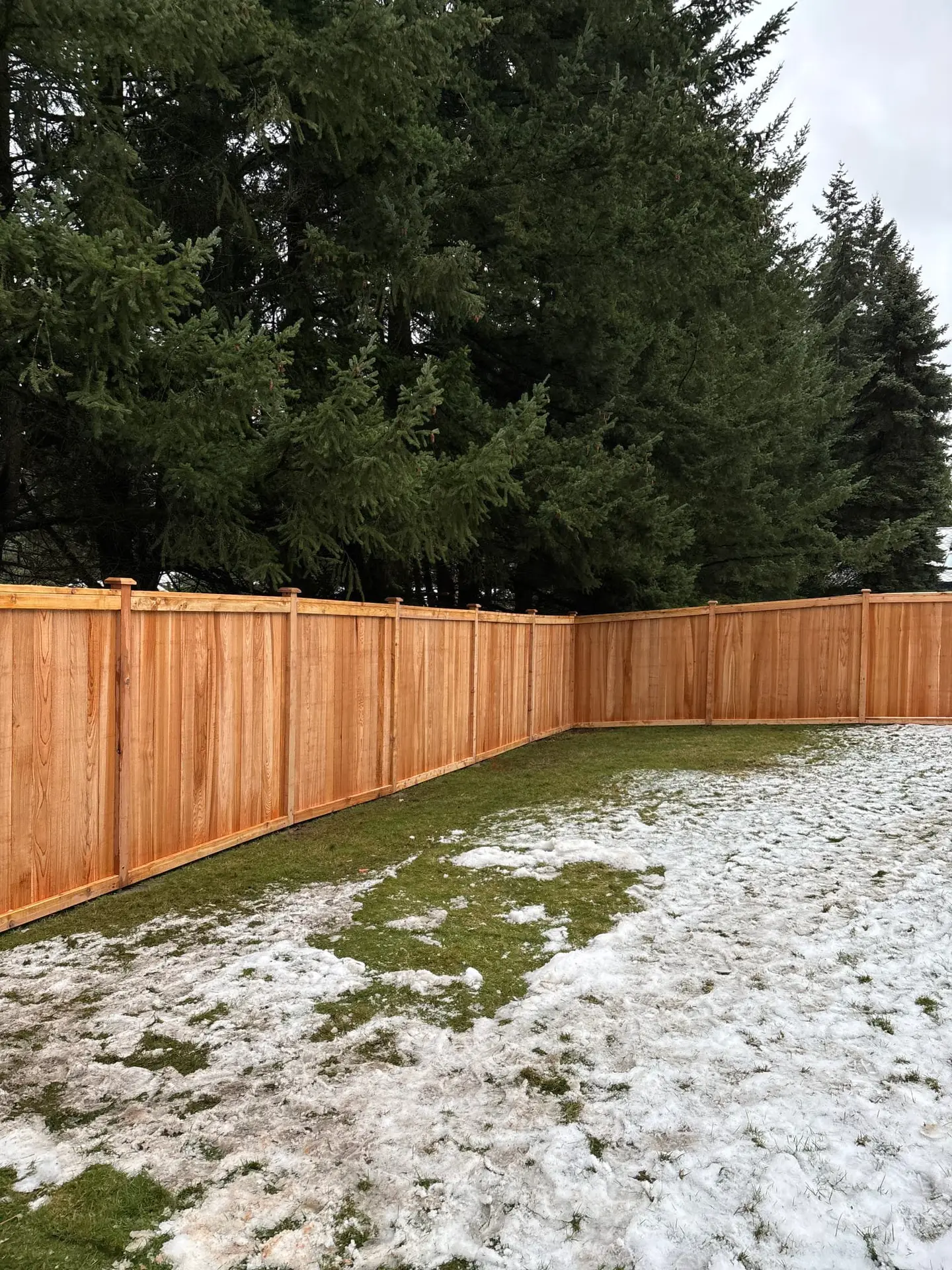
At Cool Cat Fence, weather planning starts long before wood stain is opened. A yard can be too wet for clean post work. Boards can hold moisture after rain. Pressure-treated wood may need more time before it accepts stain well. Even a finished fence can need a pause before the surface is ready.
That pause can feel inconvenient, but it protects the project. When stain goes onto damp wood, it may not penetrate the way it should. It can sit on the surface, cure poorly, or leave an uneven appearance after the next rain. That is how peeling, dull areas, and blotchy color start.
This is why fence installation and staining should not be treated as one automatic sequence. Building the fence is one step. Finishing the wood is another. In Seattle, those two steps do not always belong on the same day.
How Long for Stain to Dry on Fences and Decks?
Does stain behave the same on every outdoor surface? Not quite.
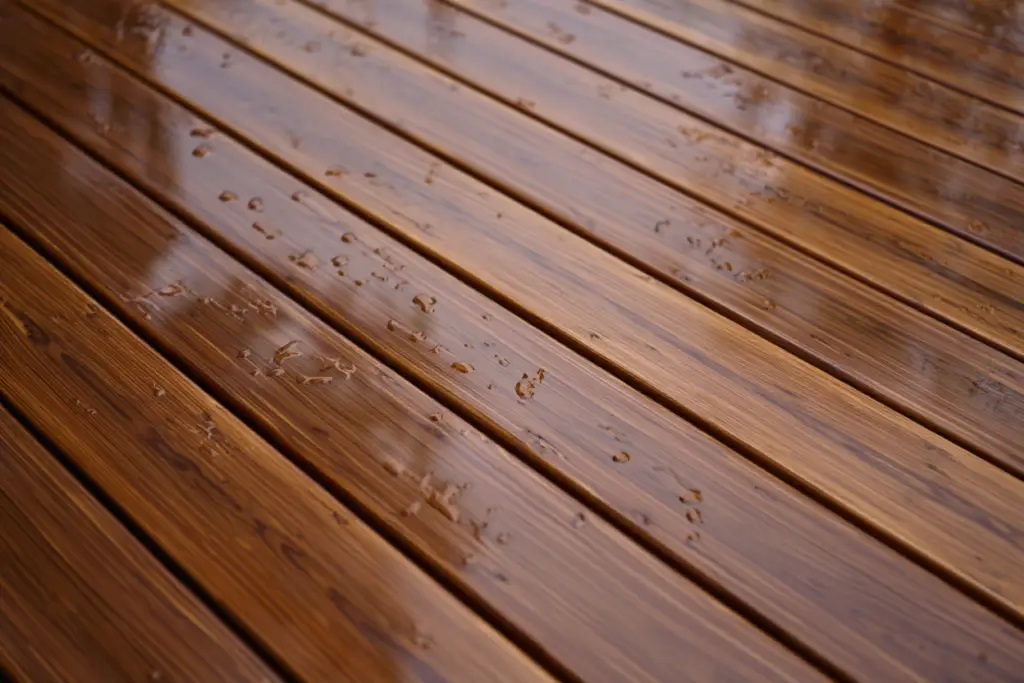
A wooden deck shows trouble faster because it lies flat. Rain can pool. Foot traffic can mark the finish before it is ready. Furniture can trap moisture underneath legs and pads, especially when the surface has not fully dried. Fences often shed water better, but moisture can still sit around rails, caps, posts, and horizontal boards.
This is why deck stain examples matter. A stained deck gives a clear visual warning. If rain comes too soon, the surface may show white spotting, streaks, color runoff, or uneven areas. It can look completely fine in the afternoon and still show damage by morning after dew or light rain.
A fence can suffer the same kind of finish issue, just in a different pattern. Instead of puddles, you may see streaking, lap marks, or patchy color along the boards.
Oil-Based Stain and Water-Based Drying Time
Stain type changes everything, but it is only one of several factors that shape the schedule. Oil-based stain usually dries more slowly because it penetrates deeper into the wood. That can support durability and a long-lasting finish, but it also means more waiting. Many oil-based products need about 12 to 24 hours to become dry to the touch and about 48 to 72 hours to be fully cured, with 24 to 48 hours of dry weather after application helping reduce the risk of rain damage.
Water-based stains often move faster. Some can feel dry in 1 to 6 hours when temperature, low humidity, and airflow are working in your favor. The catch is that “dry to the touch” is not the same as rain safe. Many water-based products still need at least 24 hours of dry weather before moisture exposure, and high humidity can leave the surface tacky for days because the air is already saturated with moisture.
That detail matters. A deck stain may feel dry after a few hours, so someone puts furniture back too soon or walks across the deck. Later, the marks show up. The surface felt ready. The curing process was not.
For any deck staining project, the manufacturer’s instructions should settle the question.1 Not a guess. Not a neighbor’s timeline. The label should guide minimum temperature, drying time, second coat timing, curing time, and when the surface can handle use.
Key Factors That Change Drying Time
A good stain job is partly about the product, partly about prep, and partly about restraint. The surface should be cleaned first so dirt, debris, and mill glaze do not block stain from penetrating the wood. Waiting is not wasted time if the wood needs it.
Jobsite condition | What it can change | What to check before staining |
Stain type | Oil-based stain usually needs more drying time than water-based stains | Label guidance for dry to the touch, second coat, and full cure |
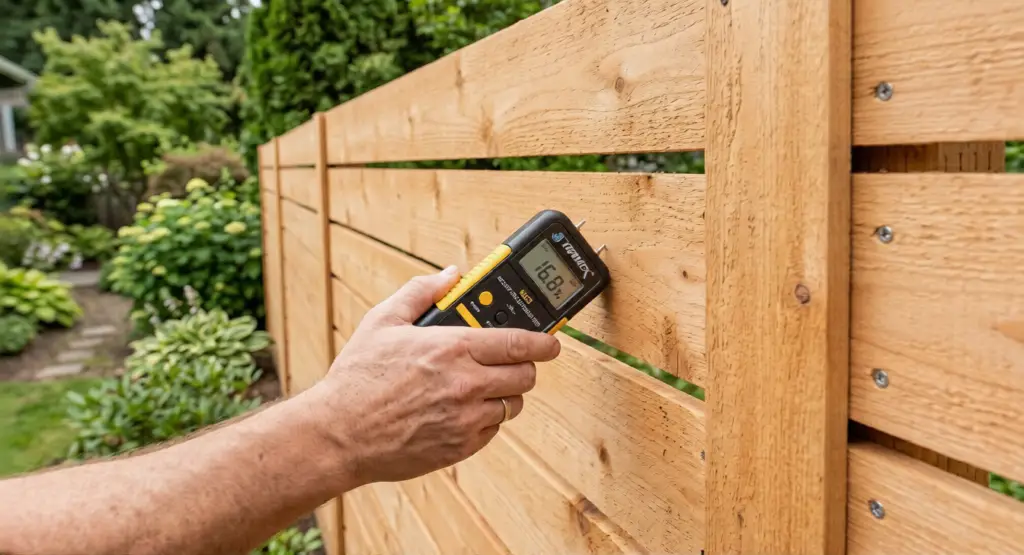
Wood moisture | Damp wood can block absorption | Use a moisture meter after rain, washing, or long damp periods |
Temperature | Cool weather can delay drying | Product minimums, especially near 50°F |
Humidity | High humidity slows evaporation | Moderate humidity and steady airflow |
Rain forecast | Rain can interrupt bonding | 24 to 48 hours of dry weather when possible |
Evening dew | Condensation can affect the cure overnight | Stop staining at least a couple of hours before sunset |
Coat thickness | Heavy coats can puddle or stay tacky | Thin, even application |
A moisture meter can be worth using in Seattle because wood does not always tell the truth by appearance. The surface may look ready while moisture is still sitting below. That is common after a pressure washer, several wet days, or a shaded yard that never gets enough sun.
What Rain Does to Deck Stain on a Freshly Stained Deck
Rain is not automatically catastrophic. Timing is the issue. If rain falls on a freshly stained deck before the stain has bonded, the damage can show up as dull patches, white spots, runoff, or uneven finish. Let the surface dry first, then check the affected areas before deciding whether light sanding and another coat of deck stain are needed.
The worst move is panic-staining over wet damage. Once the surface is completely dry, inspect the stained deck in good light. If the problem is minor, you may be able to lightly sand affected areas and reapply deck stain. If adhesion failed across a larger area, the fix can take more prep.
This is where 48 hours of dry weather often saves more time than it costs. Waiting feels slow. Repairing a blotchy finish is slower.
Why 24 Hours Is Not Always Enough
The phrase 24 hours gets used a lot because it is simple. Outdoor wood is not simple.
Some water-based stains may feel dry much sooner than 24 hours. Some oil-based products need more time before they can handle rain, furniture, or heavy use. A shaded wood deck in high humidity does not dry like a sunny deck on a dry, breezy day. The same logic applies to fences. A fence line under trees may stay damp longer than one with steady airflow and more sun exposure.
Seattle adds another variable. Moisture tends to linger, and evening dew can settle even after a clear day. Extended dry times are common here because consistent moisture can add hours to manufacturer drying estimates. July and August usually offer the most forgiving staining weather because they are often warmer and drier, but the forecast still has to cooperate.2
So yes, 24 hours may be enough. But the surface conditions matter more than the number. In other cases, 48 hours is the safer number. With oil-based stain, cooler temperature, poor airflow, or a heavy first coat, the wait can stretch again.
The point is not to chase the fastest drying time. The point is to give the finish enough time to cure properly.
How Weather Delays Affect Horizontal Fence Options
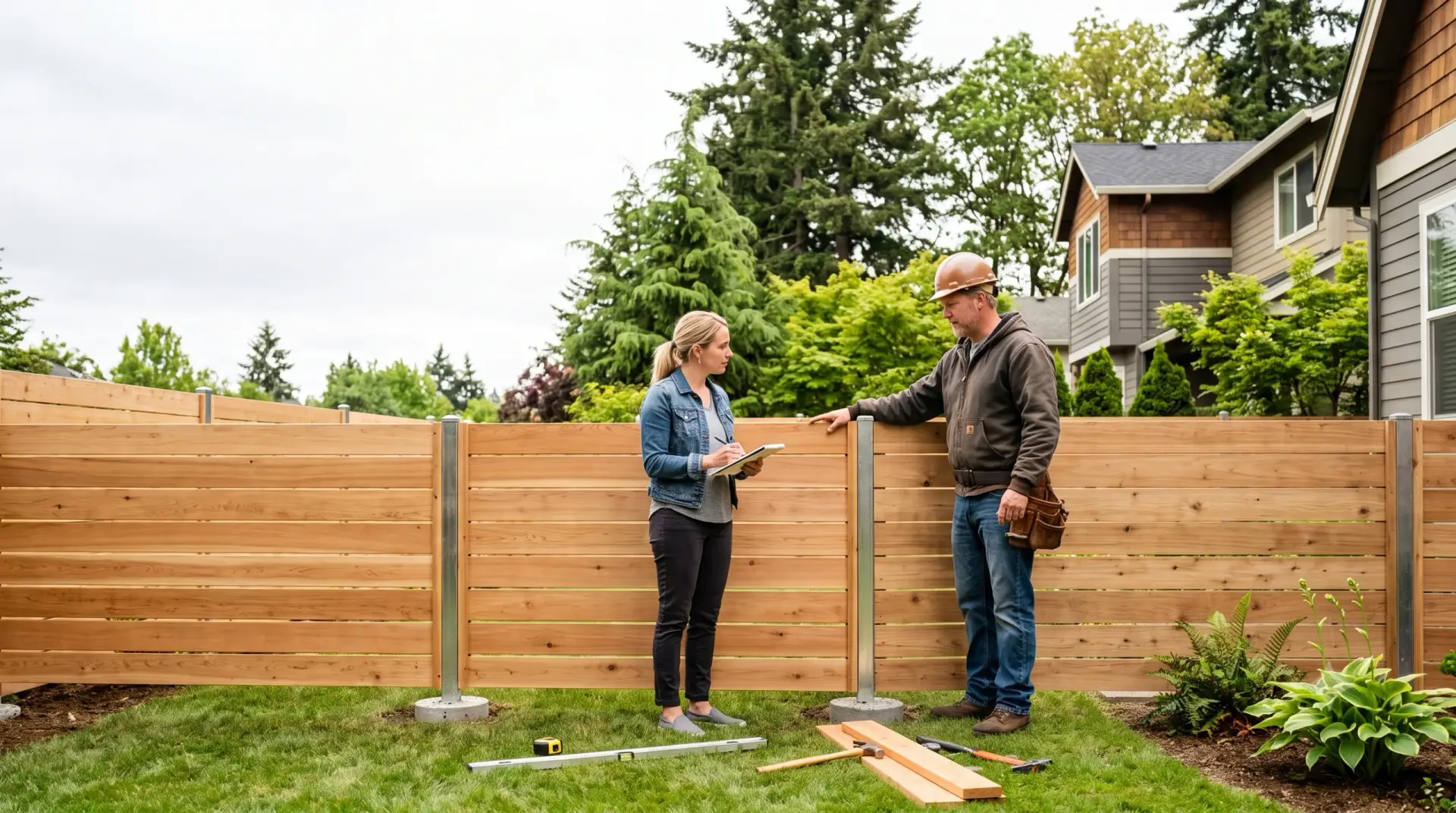
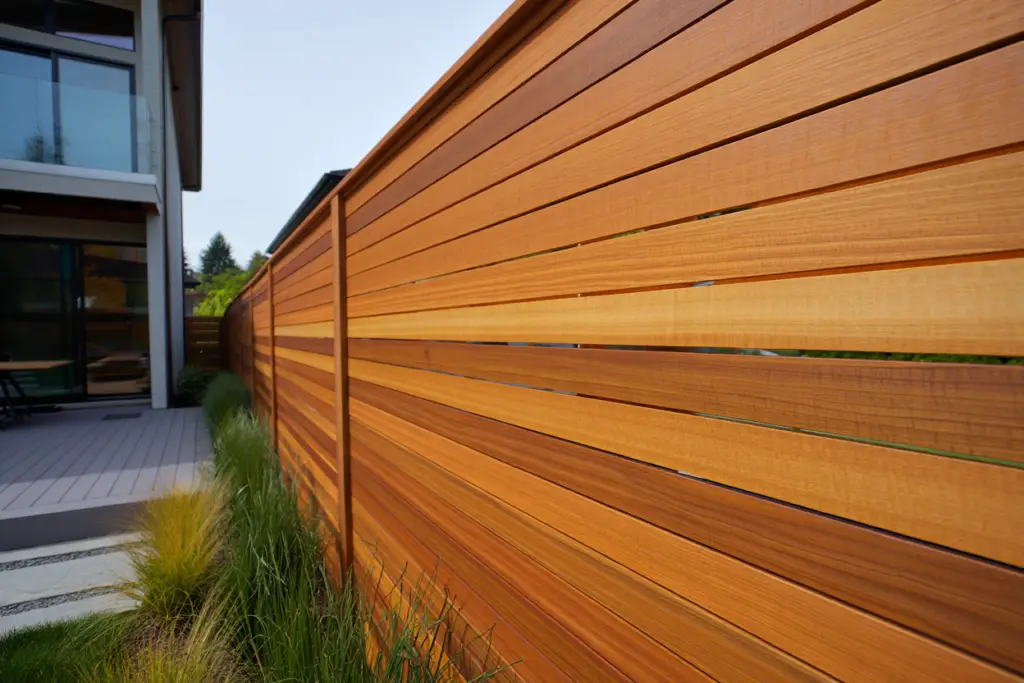
Weather delays matter more when the fence design makes the finish highly visible. With horizontal fence options, small finish problems are harder to hide. Long boards can show lap marks, color shifts, uneven absorption, and streaking more clearly than some traditional vertical styles.
Horizontal boards also create narrow ledges where moisture can sit. That does not make them a bad choice. It just means the staining plan has to respect the design. Dry wood, thin coats, steady weather, and adequate time all matter.
A contractor should not force stain onto damp wood just because the build is done. The fence has to look right after the crew leaves, after the next rain, and after the first real season outside.
How Weather Can Change the Cost Conversation
Weather does not automatically raise the cost of fence installation. Still, it can change how the project is handled during professional installation.
If staining has to be split from construction, the crew may need a separate visit. If wet soil slows post-work, the schedule may shift. If the site has shade, slope, tight access, or poor drainage, staging can take more thought. These are not dramatic issues, but they are real job-site conditions.
Location plays a role, too. Seattle, Bellevue, Olympia, Mercer Island, and nearby areas can bring different access, soil, slope, and timing concerns. That is why fence cost differences by location should be discussed around the actual yard, not just the material list.
The better question is not “Can this be done faster?” Sometimes it can. What matters more is whether faster will still hold up.
Complete Guide: Key Takeaways Before Your Next Project
Before your next project, treat stain as part of the build, not an afterthought. Wood needs the right surface condition. Stain needs the right weather. The finish needs time before rain, furniture, or foot traffic test it.
Key takeaways:
- Wait for dry weather, not just a dry-looking surface.
- Check wood moisture after rain or washing.
- Avoid staining late in the day when evening dew is likely.
- Give oil-based stain more time than water-based products.
- Keep furniture off a stained deck until the finish is ready.
- Limit foot traffic until the surface has had enough time to cure.
- Apply thin coats rather than flooding the wood.
- Follow the manufacturer’s drying time before adding a second coat.
Good staining is not about catching the first dry day. It is about choosing the right one: ideally, within the product’s recommended temperature range and away from direct sun that can dry stain too quickly and cause lap marks.
FAQ
How long does wood stain usually take to dry?
Wood stain drying time depends on stain type, humidity, temperature, airflow, and moisture in the wood. Oil based stain often needs 12 to 24 hours to feel dry and 48 to 72 hours to cure more fully. Water based stains can feel dry in 1 to 6 hours, but they still need dry weather before moisture exposure.
Can I walk on a freshly stained deck after a few hours?
A few hours may be enough for some water based stains to feel dry to the touch. That does not mean the stained deck is ready for foot traffic. Walking too soon can leave marks or dull areas before the stain cures.
What happens if rain falls on a newly stained deck?
Rain can cause white spots, runoff, uneven appearance, or weak adhesion. Let the deck dry completely before repairs. In some cases, you may need to lightly sand affected areas and reapply deck stain.
Is oil based stain better than water based stain?
Oil based stain often penetrates deeply and can provide strong protection, but it usually takes longer to dry. Water based stains are often faster, though high humidity can still delay drying.
When should I avoid staining a deck or fence?
Avoid staining when rain is expected, the wood is damp, humidity is high, temperature is outside the product’s range, or evening dew is likely. Poor conditions can lead to peeling, weak protection, or uneven color.
Should I use a pressure washer before staining?
A pressure washer can help clean a wooden deck or fence, but the wood must dry completely afterward. Staining too soon after washing can trap moisture and prevent proper bonding.
How long should furniture stay off a stained deck?
Many projects need at least 24 to 48 hours before placing furniture back. Oil based stain, cool weather, and high humidity may require more time. The safest answer is always the product label.
Why does stain sometimes stay tacky?
Stain can stay tacky when the coat is too thick, humidity is high, airflow is poor, or the wood was too damp before application. Extra drying time may help, but heavy over-application can require correction.