Vinyl fence installation cost is easy to misread when the conversation starts online. A homeowner sees a clean white panel, checks a rough price per linear foot, and thinks the choice should be pretty straightforward. But a fence never lives online. It has to sit in a real yard, deal with real weather, and make daily life a little easier instead of creating new annoyances.
That is where the details start showing up. The side yard may be narrow. The old fence may have concrete packed around every post. The dog may bark at every neighbor through the back corner, so containment and security may matter as much as appearance. One section may stay damp under trees long after the rest of the yard dries out. A front yard may need curb appeal, while the backyard needs privacy. Suddenly, the question is not just whether vinyl is a good material. The question is which vinyl fence will actually work for that property.
At Cool Cat Fence, we look at vinyl fence options through that practical lens. A vinyl fence can be clean, durable, and low maintenance, and vinyl is especially useful in wet climates because it does not rot, warp, or require constant staining. Still, it has to be planned well.
Why Fence Companies Look at the Yard Before the Panels
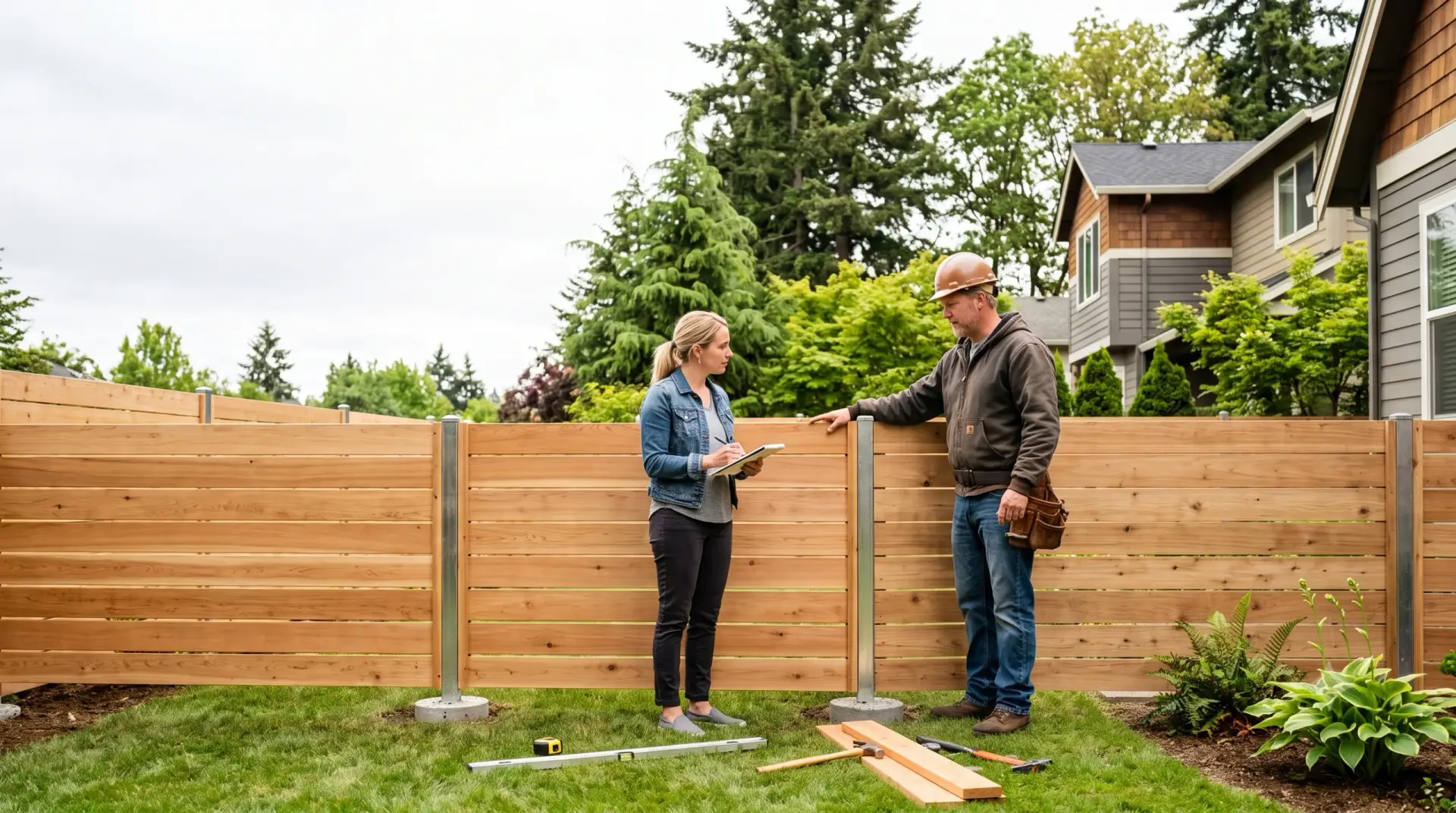
Good fence companies do not start by pointing to the nicest panel in a catalog. They start by walking the fence line.
That first look tells a lot. A flat backyard with easy access is one kind of fence project. A sloped Seattle lot with a tight side gate, tree roots, and an existing fence to remove is another. Both may use vinyl, but they will not be planned the same way, especially when weather conditions affect soil, drainage, and post placement.1
A contractor should pay attention to how people move through the property. Where does the gate need to be? Will trash bins, bikes, tools, or a mower pass through it? Is the fence there to keep pets in, block a neighbor’s view, or clean up the overall aesthetic of the yard? These questions sound simple, but they decide whether the fence feels natural once it is installed.
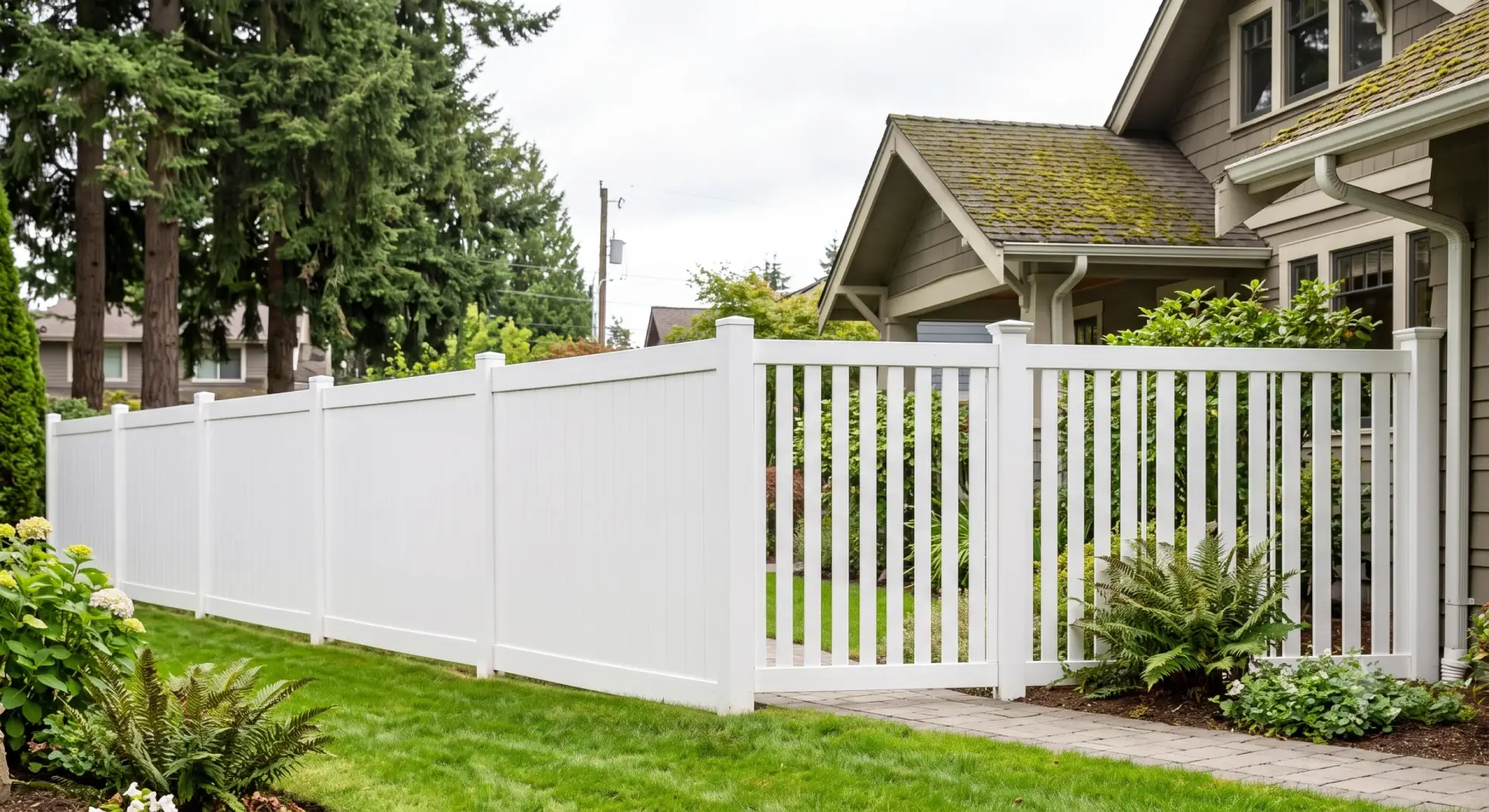
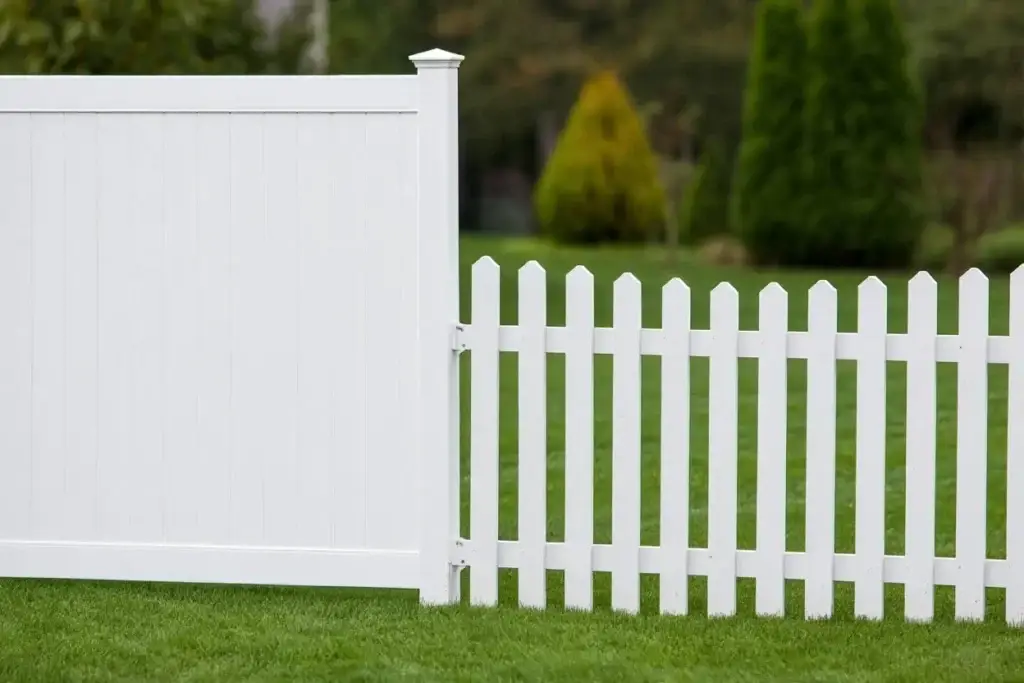
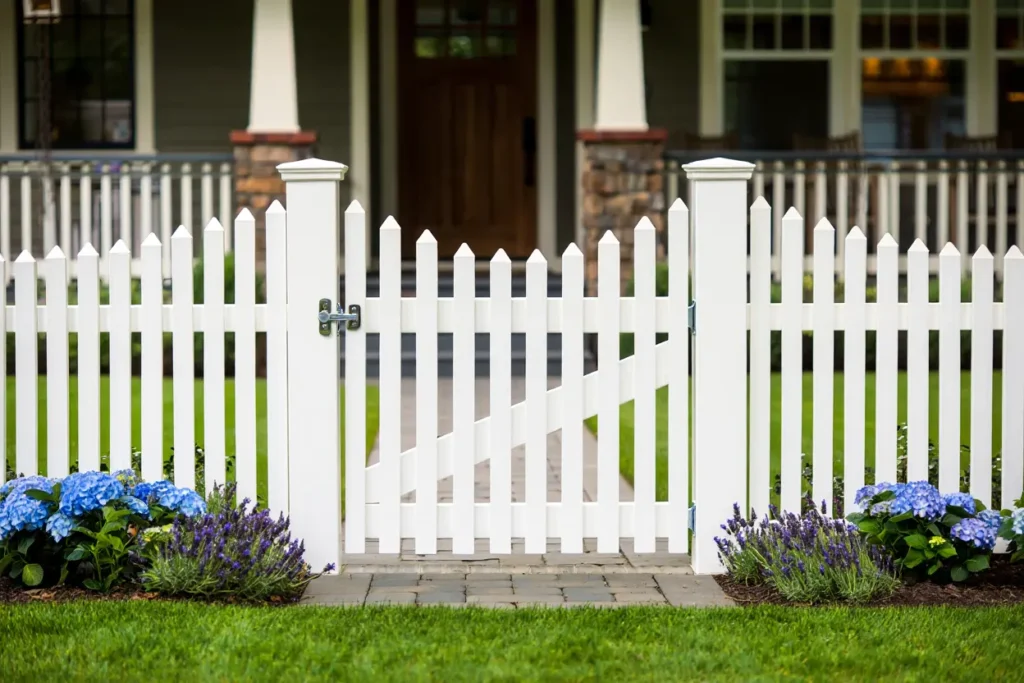
A vinyl privacy fence can be the right answer for one backyard and too much for another. A picket fence may look great in a front yard, but do almost nothing for privacy. Semi-private panels can feel like a better middle ground when homeowners want some separation without closing off every bit of light. The right fence type should match how open, private, or protected the yard needs to feel.
That is why vinyl fence installation should start with the yard, not the product photo.
Vinyl Fence Installation Cost Depends on Labor Costs, Gates, and Site Conditions
Most homeowners want a clear number. That is fair. But vinyl fence cost is not only about the panels. The total cost comes from a mix of materials, labor costs, gates, concrete work, post layout, fence removal, and site preparation.
Vinyl fence item | Typical range | Notes |
Vinyl fence installation | $15 to $40 per linear foot | Common installed range |
Privacy vinyl fence | $25 to $60 per linear foot | Usually higher because of height and material |
Picket fence | $14 to $20 per linear foot | Usually lower than full privacy styles |
Vinyl fence gate | $300 to $1,500 | Depends on size, hardware, and features |
Those ranges give a helpful baseline, but they do not explain the full project. A small run with one gate and clean digging conditions is one kind of job. A full backyard enclosure with old fence removal, a double gate, uneven ground, and tight access is another. The cost per linear foot can guide the estimate, but total project costs become easier or harder to predict once the site conditions are clear.
That is why vinyl fence installation cost should always be treated as a starting point, not a final answer. A real quote needs the fence line, post locations, gate details, ground conditions, and enough scope detail for homeowners to compare multiple quotes without missing important differences.
Cost Per Linear Foot Changes with Fence Height, Gates, and Fence Removal
Cost per linear foot sounds clean because it gives homeowners something easy to compare. But once the fence layout is marked out, the price usually becomes more specific.
Fence height is one of the first things that changes the number. A short picket fence usually takes less material and creates a lighter look. A privacy fence requires more. Taller panels, stronger posts, horizontal rails, more material, and careful placement all matter. On a sloped yard, the panels may need to step with the grade rather than forcing a straight fence line where the ground is not straight.
Gates can change the project quickly. A small walk gate is fairly simple. A double gate needs more planning. A vinyl fence gate needs a solid post, quality hardware, enough room to swing, and a layout that will still work after months of daily use. If the gate is treated as an afterthought, it is usually the first part homeowners notice when something feels wrong.
Old fence removal is another factor. Taking down an existing fence adds labor. Crews may also need to dig post holes after removing old concrete, roots, or compacted soil from the previous layout. That is normal work, but it should be discussed early, not discovered halfway through the job.
Privacy Fences, Picket Fence Styles, and the Way the Yard Feels
Vinyl comes in many styles, so the decision should not start and end with height.
A privacy fence is the better choice when the yard needs real visual coverage. It can screen views from nearby homes, alleys, sidewalks, or windows. For outdoor dining, kids’ play areas, or a backyard that feels too exposed to the street, privacy panels can add comfort and a stronger sense of separation.
But privacy also changes the feel of the yard. In a smaller space, a tall solid fence can feel heavy. It can reduce light. It can make a narrow side yard feel tighter. That does not mean privacy vinyl is wrong. It just means the fence style has to match the space.
A picket fence does a different job. It creates a boundary without closing off the property. It can work well in a front yard where curb appeal matters more than full screening. Semi-private vinyl sits somewhere between the two. It gives the yard more separation than a picket fence, but it does not close everything off completely. Some light and airflow still come through.
That comparison should happen before installation details are discussed. The best vinyl fence option is the one that matches how the homeowner wants the yard to feel and function.
Vinyl Privacy Fence or Wood: The More Honest Comparison
Vinyl privacy fence or wood is a common comparison, and the honest answer is that either one can work.
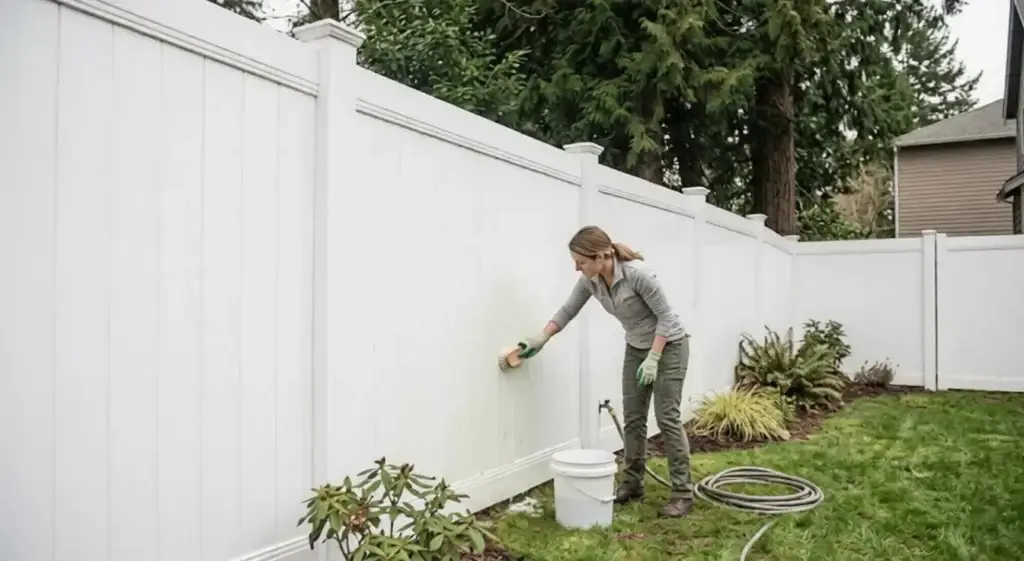
Vinyl is often chosen because it asks less from the homeowner after installation. Unlike wood, it does not need regular stain or paint, and most cleaning can be handled with mild soap, water, and a soft brush. For someone who wants the fence to look tidy without another maintenance job on the calendar, that matters.
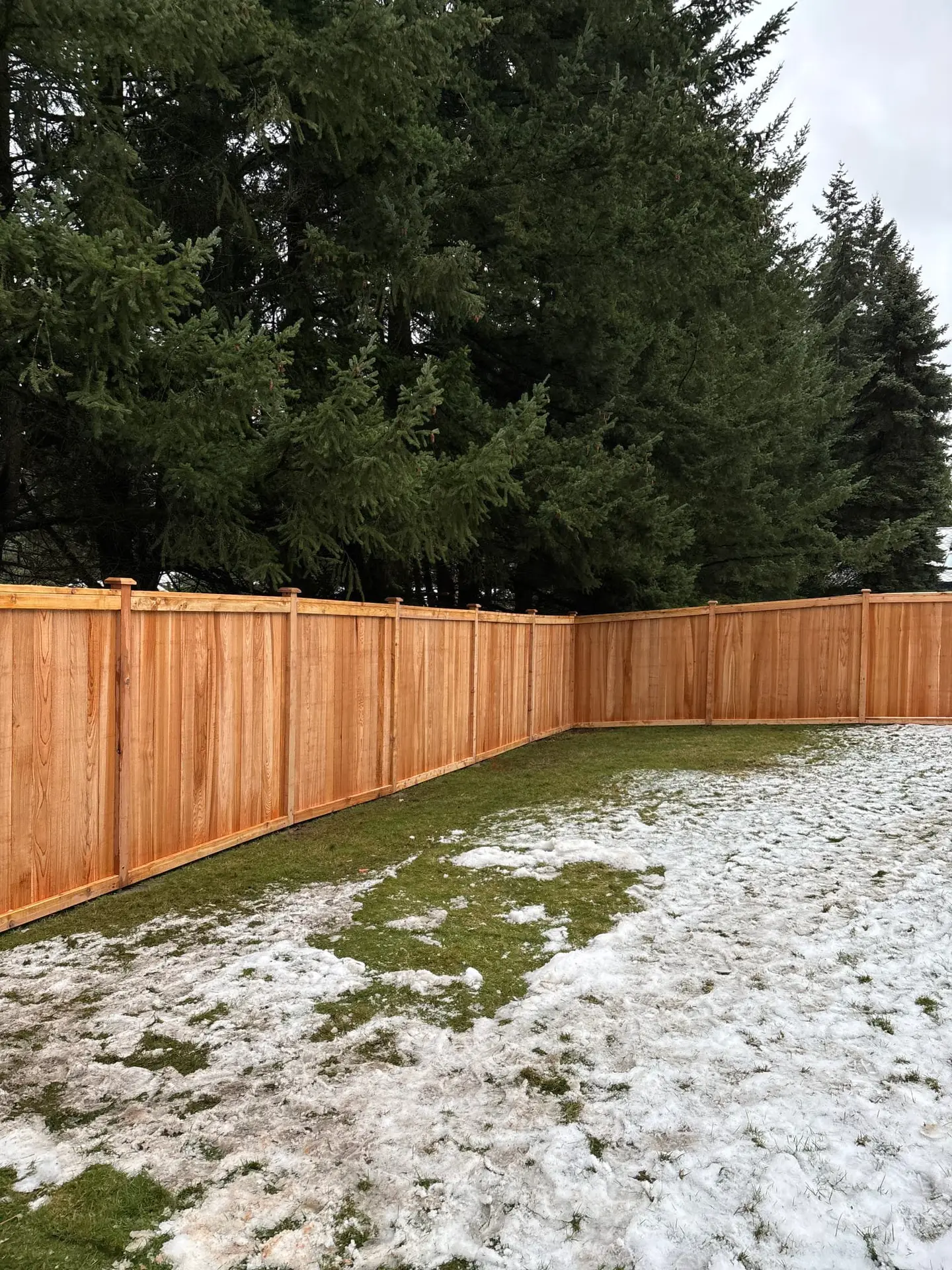
Wood offers a different appeal. It has natural grain, warmth, and a more traditional feel. It can also be easier to customize, which helps around older homes, natural landscaping, and yards where a more textured look fits better. Vinyl is cleaner and lower maintenance, but it does not have wood’s natural variation or the same ability to replace and blend individual boards.
So the real decision is not whether vinyl is better than wood. The better question is what the homeowner wants to deal with over time. Less maintenance? Vinyl may be the better fit. A more natural look? Wood may win. A cleaner long-term surface with low maintenance requirements? Vinyl deserves a serious look. A highly custom design? Wood may offer more room to work.
That is why choosing a vinyl or wood fence should come down to the property, not a generic material ranking.
Low Maintenance Still Needs a Little Care
Vinyl is low maintenance, but it is not maintenance-free. PVC surfaces still face real Seattle wear. Rain splashes dirt onto lower panels. Pollen settles in spring. Shaded areas can collect algae or mildew. Gates pick up fingerprints, mud, and daily wear.
The cleaning side of vinyl fencing is usually manageable because the material is made from polyvinyl chloride, which creates a nonporous surface that does not absorb moisture like wood. A vinyl fence cleaner does not have to be strong or abrasive to be effective. For regular dirt, mild soap, water, a garden hose, and a soft brush are often enough. A pressure washer can sometimes be used, but it should not be the automatic first move.
A basic vinyl care routine looks like this:
- Rinse off dirt before it builds up.
- Clean shaded sections when algae appears.
- Keep plants from pressing against panels.
- Check gates and latches after heavy use.
- Avoid abrasive pads that can dull the surface.
That is one reason homeowners like vinyl. It still needs attention, but the work is usually lighter than maintaining a wood fence.
When Professional Installation Matters Most
DIY installation can look simple from a distance when the panels are clean, the posts look predictable, and the instructions seem manageable. But installing a vinyl fence in a real yard is less forgiving.
Post holes have to be placed correctly. Concrete has to be set properly. Panels need to line up. Gates need to swing cleanly. If one post is off, the mistake can carry across the new fence line. On a sloped yard, the details stand out more. The panels have to move with the grade and still look clean, balanced, and deliberate.
That is where professional installation can matter most. Slope, tight access, multiple gates, buried concrete, drainage issues, and long straight runs all leave less room for guesswork. Homeowners should look for contractors experienced with Seattle site conditions, including wet soil and slopes.2 A contractor also helps homeowners read estimates more clearly, so they know what to expect when one quote includes fence removal and concrete work while another prices those separately.
That is often where money gets misunderstood. The lowest upfront cost is not always the best value if the estimate leaves out pieces of the job.
How Vinyl Compares with Other Fencing Materials
Vinyl is a strong option, but it is not the only practical fence material. A chain link fence may be better for a long boundary where visibility and cost matter. Chain link can work well for pets, utility areas, or back sections where full privacy is not needed. For some properties, a chain link fence is simply the more practical choice because it keeps the boundary secure without closing off the view. A wire fence may fit certain garden spaces. A wood fence may be better when the goal is warmth, custom style, or a more natural match with the home. The goal is a durable fence that fits the yard, not just a material that looks good in one section.
This is why vinyl fence installation in Seattle should always be tied to the actual yard. A damp side yard, a sloped backyard, and a front yard exposed to the street should not be treated like the same project, especially when curb appeal, privacy, and resale value can all depend on how well the fence fits the property.
Vinyl can offer strong long-term value, a clean curbside look, and less maintenance than many other materials. But it still needs to fit the conditions on site. The best fence is not the one that looks sharp in a product photo. It is the one that still feels right after rain, daily gate use, and several seasons of ordinary wear.
FAQ
What is the average vinyl fence installation cost?
Vinyl fence installation often ranges from about $15 to $40 per linear foot. The final price can climb with taller privacy panels, more gates, difficult access, or upgraded materials.
Why does vinyl fence pricing vary so much?
Pricing changes because vinyl fence projects are not all the same. Fence height, panel style, gates, post layout, labor, old fence removal, and site conditions all affect the quote.
Is vinyl cheaper than a wood fence?
Not always. Vinyl can be more expensive upfront. The advantage is that it usually needs less maintenance because it does not require regular painting or staining.
Does a vinyl fence need cleaning?
Yes. Vinyl is easier to maintain than many materials, but it still gets dirty. Algae, mildew, pollen, and surface grime can usually be cleaned with mild soap, water, and a soft brush.
What is the best style of vinyl fence for privacy?
Solid privacy panels are usually the best choice when the goal is real screening. They can block views from neighbors, alleys, and streets, but they usually cost more than picket or semi-private options.
Do I need a permit for a vinyl fence in Seattle?
Seattle generally does not require a permit for fences under 6 feet, while fences over 6 feet may need one. Permit fees typically range from $100 to $400, depending on the project.
Is professional installation worth it for vinyl fencing?
In many yards, yes. Professional installation helps avoid problems with post placement, concrete, gate swing, slope, and long straight fence lines.
Can vinyl improve curb appeal?
Yes. Vinyl can improve curb appeal when the style fits the home, yard, and neighborhood. A picket fence, privacy fence, or neutral-colored design can each change the look in a different way.