Fence repair Seattle projects start with a simple question that most homeowners get wrong: Is this worth fixing, or am I just postponing the inevitable? In a city where moisture never really goes away, and clay-heavy soils shift with the seasons, that question has real financial consequences. In this guide, we draw on our field experience at Cool Cat Fence, as a local fence company serving diverse fencing needs, to help you understand when repair makes sense, when replacement is the smarter move, and how to evaluate contractor recommendations without second-guessing yourself. Whether you are dealing with a leaning post, a sagging gate, or a fence that looks tired after fifteen years of Pacific Northwest weather in your yard, the goal here is clarity and cost-awareness before committing to fence installation or major repair services.
The Decision Is Structural, Not Cosmetic in Professional Fencing Services
Most homeowners look at their fence and focus on the wrong details. Peeling paint, surface rust, and weathered wood panels catch the eye, but none of these automatically signal the need for replacement. What matters is what is happening at ground level and inside the framework. That initial gut reaction rarely matches what a qualified fence company would see across different fence styles during an on-site assessment.
A fence can look rough and still have decades of life left if the posts are plumb, the footings are solid, and the structural connections remain tight, especially in a properly built wood fence constructed with durable materials and quality craftsmanship. Conversely, a fence that appears presentable from the street can be months away from failure if the posts have rotted below grade or the tension system has lost integrity. The decision to repair or replace should always start with structure, not aesthetics.

When Fence Repair Makes Sense — A Fence Company Perspective
Isolated damage is the clearest case for repair. A single post that has loosened can often be re-concreted if the footing itself remains intact. A torn section of mesh, a broken board, or a gate hinge that has worn out are all problems that can be addressed without touching the rest of the fence.
A reputable fence company providing residential fencing services in Seattle handles these situations routinely, especially when issues are limited to a single section of a yard. The key is confirming that the problem is truly isolated. If one post is leaning but its neighbors are solid and plumb, you are probably dealing with localized soil settlement or a single compromised footing. Repair makes financial sense when the rest of the system is structurally sound, and the fix addresses the root cause rather than just masking the symptom.
When Replacement Is the Smarter Financial Move for Residential and Commercial Fencing
Systemic failure changes the math entirely. When multiple posts are leaning in the same direction, when fasteners are pulling out across several sections, or when the fence has lost overall alignment along its run, you are no longer dealing with isolated problems. You are dealing with a fence that is failing as a system.
In these cases, repeated repairs often cost more over time than investing in a new fence installation that properly addresses shifting soil and clearly defines property lines, the way fences are meant to do when professionals build fences correctly the first time. Each fix on an aging wood fence buys a few months or a year, but the underlying weakness remains. If more than 30 to 40 percent of your fence shows structural wear, replacement typically delivers better long-term value than chasing problems section by section.

Chain Link Fence: Repair or Full Chain Link Fence Installation?
Chain link presents its own decision points for residential properties and backyard enclosures where durability and low maintenance are priorities. A properly built chain link fence uses galvanized steel fabric for rust resistance and is durable, budget friendly, reliable, and quick to install, which is why it is common for pets, kids, and long property lines while still providing solid security without obstructing visibility. It still requires regular inspections, a quick wash with soap and water, and checks for loose or damaged parts so that any slack tension wire can be tightened before security is compromised. Surface oxidation on galvanized mesh is normal and does not require action, but when rust penetrates the wire itself, when tension wire has loosened along multiple spans, or when posts are bent and out of plumb, the fence is approaching the end of its useful life.
Mesh repairs for localized tears follow the same basic steps as installation in that section: planning the run, measuring and marking the layout, cutting replacement fabric, and tying it in with tension bands and wire ties using simple tools like a post hole digger, level, measuring tape, and wire cutter. The last step is usually rehanging or adjusting gates so they swing freely and align with the fence line. But once the framework shifts or corrodes at ground level, section-by-section repairs rarely hold. If you are weighing options, a custom chain link fence with heavier gauge mesh, vinyl coating, and deeper footings often makes more sense than restoring an aging installation that was built to minimum standards.
Seattle Climate Factors That Shorten Fence Lifespan
Consistent moisture infiltrates post bases and accelerates corrosion in steel components. Wood fibers absorb water and release it unevenly, leading to warping and ground-contact rot that spreads inside posts before it becomes visible. 1
Seasonal soil movement adds another layer of stress. The clay-heavy soils common in King and Snohomish counties expand when saturated and contract during dry periods. This cycle pushes posts out of plumb over time, even when the original installation was solid.
Drainage matters more than most homeowners realize. If water pools near your fence line after rain, corrosion rates double, and post stability suffers. These factors do not guarantee failure, but they shorten the window before repair stops making sense.

Fencing Contractors: Estimate Red Flags to Watch For
When evaluating repair or replacement quotes, watch for warning signs that suggest the scope does not address root causes.
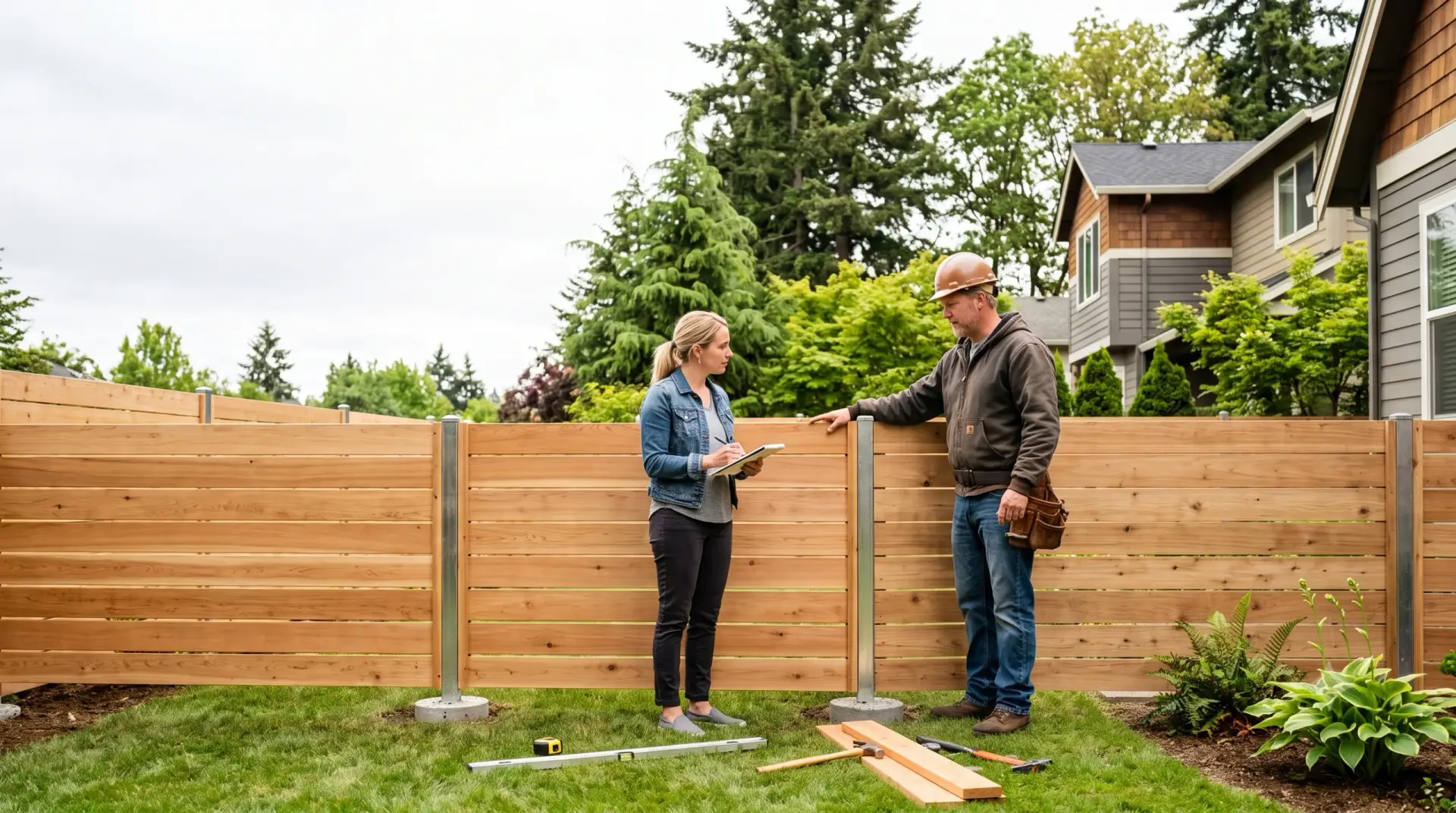
Be cautious if fencing contractors offer vague descriptions without mentioning post depth, drainage, or hardware condition, or if they cannot confirm they are fully licensed and backed by an experienced team known for consistent quality workmanship. In this climate, a correct fence installation typically means digging terminal posts roughly 24 to 30 inches deep, spacing line posts about 8 to 10 feet apart, and setting them in concrete at least a few inches inside the property line after calling 811 to have underground utilities marked. If a low bid glosses over those basics, you can assume corners are being cut, and the installation will fail within a few years. The absence of any warranty, especially on structural work, suggests limited confidence in the repair. Finally, scopes that only describe cosmetic fixes without explaining why the fence failed in the first place are often temporary solutions disguised as permanent ones.
Regional Pricing Context Before You Get a Fence Installed
Seattle chain link fence installation typically runs $15 to $25 per linear foot for a standard four-foot residential fence, while commercial fencing projects or upgraded systems built with the best materials may exceed that range depending on site access and hardware specifications. 2 In Seattle, fences up to roughly six feet tall in most residential areas typically do not require a building permit, and some zones allow heights up to about eight feet when the top two feet are predominantly open features such as lattice. 3 A permit is usually needed once you exceed those limits or add masonry or concrete elements over six feet, particularly in environmentally critical or flood-prone areas. Before any fence installation, confirm local zoning setbacks and permitting rules rather than assuming they match a neighbor’s project. For many homeowners, this range is the baseline cost to have a fence installed by a professional crew rather than attempting the work alone. For comparison, fence contractors Portland and fence builders Portland often quote 5 to 10 percent less for similar work, reflecting lower permitting complexity and shorter material transport distances.
Regional price differences provide useful context, but they should not drive your decision. Contractors in both markets deal with similar moisture challenges, and the quality of the installation matters far more than shaving a few dollars per foot. Prioritize contractors who explain post depth, drainage solutions, and warranty terms over those who simply offer the lowest number.
Symptom | What It Indicates | Likely Action | Long-Term Risk |
Surface rust on chain link | Early oxidation | Patch and coat | Low if isolated |
Multiple leaning posts | Soil heave or shallow footings | Replace framework | High collapse risk |
Rotted post bases | Moisture penetration | Replace affected posts | Progressive failure |
Slack tension wire | System tension loss | Repair if single span | Medium if widespread |
Chronic gate sagging | Hinge wear or frame shift | Realign or replace gate | Low short-term |
Galvanization flaking throughout | Systemic corrosion | Full replacement | High without action |
Water pooling at fence line | Drainage flaw | Replace with grading | High recurrence |
Choosing the Best Fencing Company and the Right Fencing Options
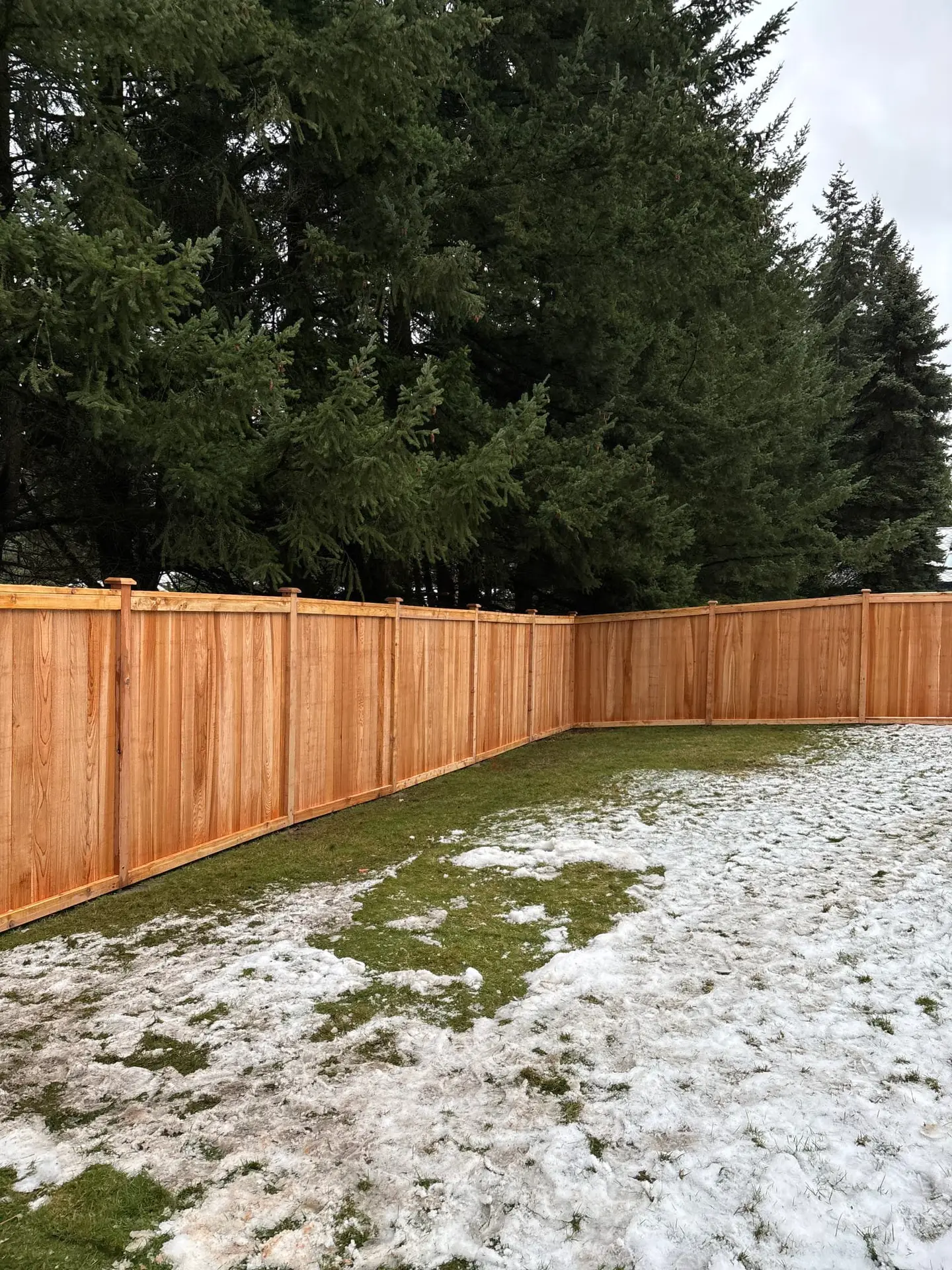
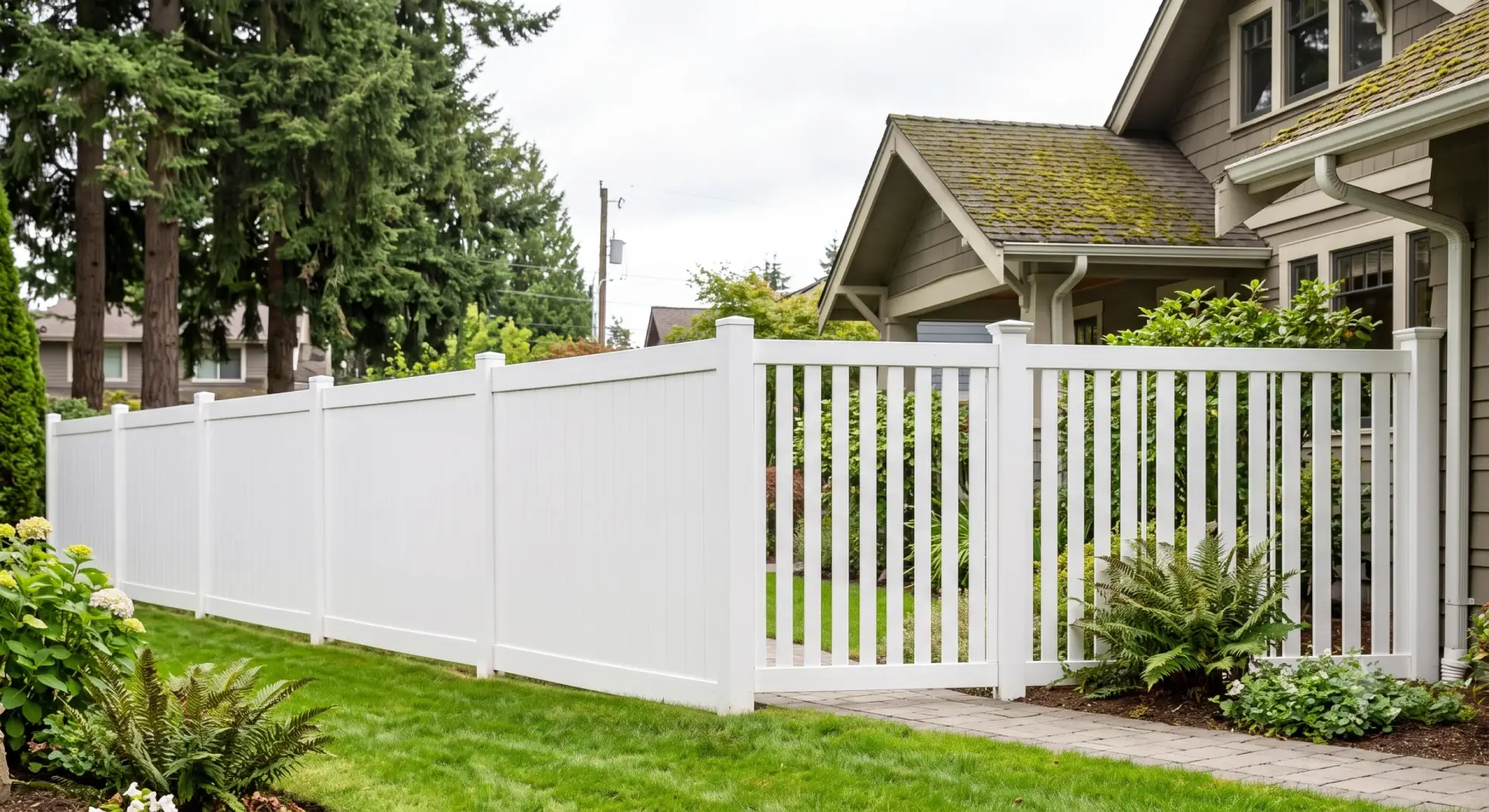
The repair-or-replace decision comes down to whether damage is isolated or systemic, whether the root cause can be addressed or only masked, and whether repeated fixes will cost more than installing a new fence designed for long-term structural stability and aesthetic appeal. In Seattle’s wet climate, ground-contact integrity and drainage are the factors that separate fences with years of life left from fences that are quietly failing in your yard. Choosing the best fencing company means understanding your fencing options, prioritizing natural beauty where it fits your landscape, and investing in solutions that balance durability with budget-friendly planning. Whether you choose classic cedar fences that add privacy and aesthetic appeal, modern vinyl fencing that stays low maintenance, clean, and durable, or ornamental iron accents that deliver a more classic, ornate look, the right fence installation should feel like a long-term upgrade, not a recurring line item in your home repair budget. Aluminum fences offer a sleek, professional look with rust-free performance that works especially well around pools and patios, while composite systems such as Trex are fade-resistant, rot-proof, and eco-friendly, so they require very little ongoing upkeep.
FAQs About Fence Repair, Replacement, and Free Estimates
How do I decide between fence repair Seattle services and full replacement?
The decision comes down to structure, not appearance. If damage is isolated to one section, one post, or a single gate, repair is usually sufficient. If multiple posts are leaning, panels are separating, or the fence has lost overall alignment, replacement is often the smarter long-term investment. When more than 30 to 40 percent of the fence shows structural wear, repeated repairs typically cost more over time than starting fresh.
What are the most common signs that Seattle fence repair is no longer enough?
Persistent leaning, soft or rotted posts at ground level, chronic gate sagging, and fasteners pulling out across several sections indicate systemic failure. In Seattle’s wet climate, ground-contact rot can spread inside posts, so if several bases are compromised, spot repair rarely solves the root issue. When structural integrity is uneven along the run, replacement restores uniform strength.
When does chain link fence installation make more sense than repairing existing chain link?
If rust has spread beyond surface oxidation, tension wire has loosened along multiple spans, or posts are bent and out of plumb, a new chain link fence installation is typically more cost-effective than patching sections. Mesh repairs work well for localized damage, but once the framework shifts or corrodes, the fence tends to fail section by section.
Is a custom chain link fence worth considering instead of repairing an old one?
A custom chain link fence becomes worthwhile when the original build was done to minimum standards and no longer matches current needs. Upgrading mesh gauge, coating, posts, and gates can significantly improve durability and security. If the existing fence has already needed multiple repairs, upgrading rather than restoring usually delivers better long-term value.
How long should a properly installed fence last in Seattle?
Lifespan depends on material and installation quality, whether you choose wood fence systems, vinyl fencing for low maintenance durability, or ornamental iron for added strength and visual definition. Well-installed chain link and well-built cedar can both perform for many years, but premature failure is usually tied to shallow footings, poor drainage, untreated post ends, or hardware that was not suited to constant moisture. The more system-wide the weakness, the less sense it makes to repair.
Does Seattle’s climate accelerate the need for fence repair Seattle projects?
Yes. Consistent moisture, seasonal soil movement, and freeze-thaw cycles stress posts and fasteners more than most homeowners expect. Water infiltration near grade weakens wood fibers and accelerates corrosion in steel components.
Should I compare fence contractors Portland or fence builders Portland when evaluating replacement costs?
Comparing regional pricing can provide context, but structural assessment matters more than city averages. Contractors in Portland and Seattle deal with similar moisture-driven challenges, so the best recommendations focus on post stability, drainage, hardware, and warranty terms. The priority is choosing a fence company with positive reviews that demonstrate consistent results and a track record of doing a fantastic job addressing structural issues rather than selling cosmetic resets.
How do I know if a repair quote is a temporary fix or a real solution?
A real repair scope explains why the fence failed and how the fix prevents the same failure next season. If the scope is only straightening, reattaching, or swapping a few boards without addressing post integrity, footing depth, drainage, or gate framing, the problem is likely to return. A replacement scope should also describe the structural improvements, not just rebuild the same weak details.