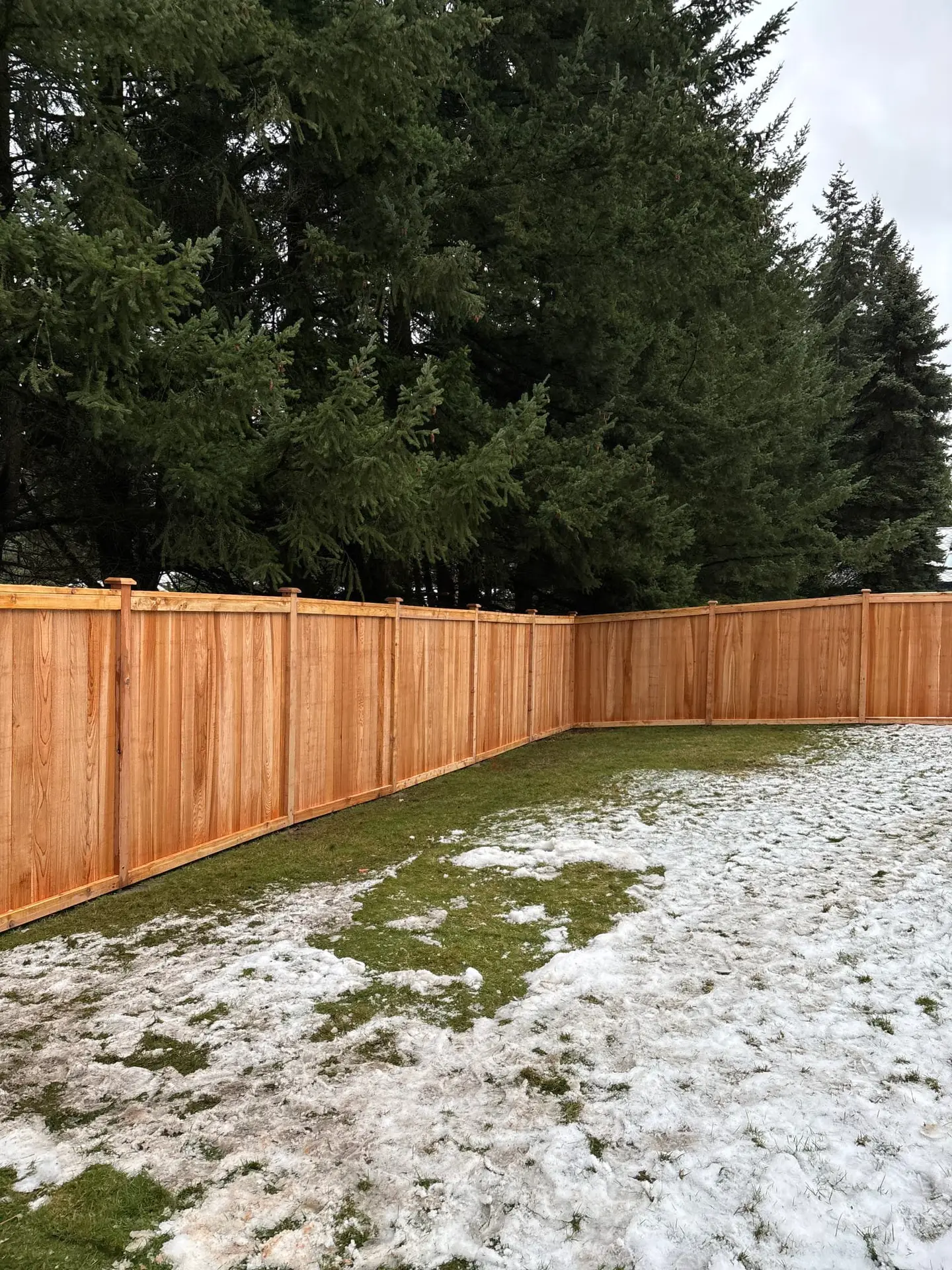
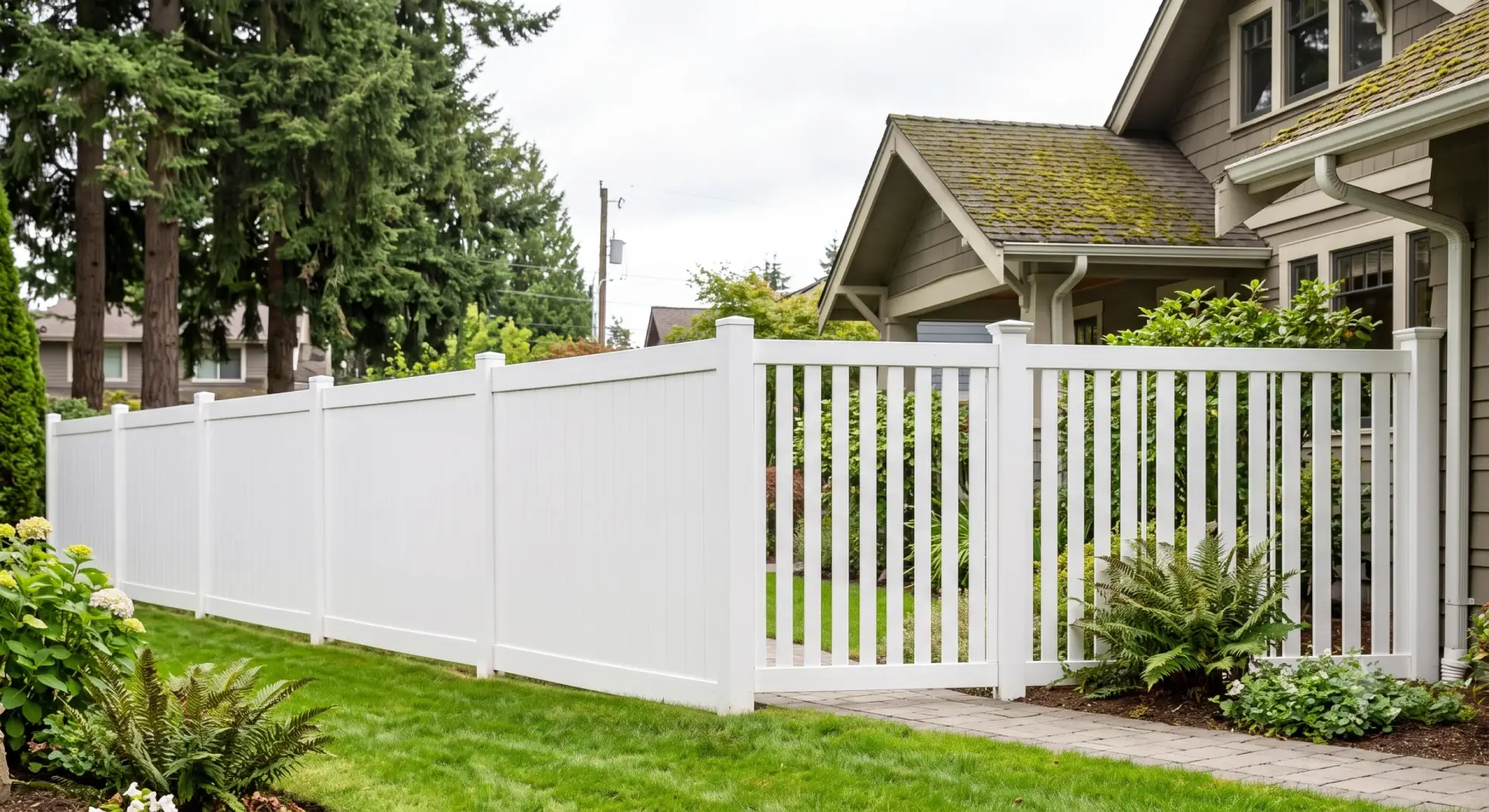
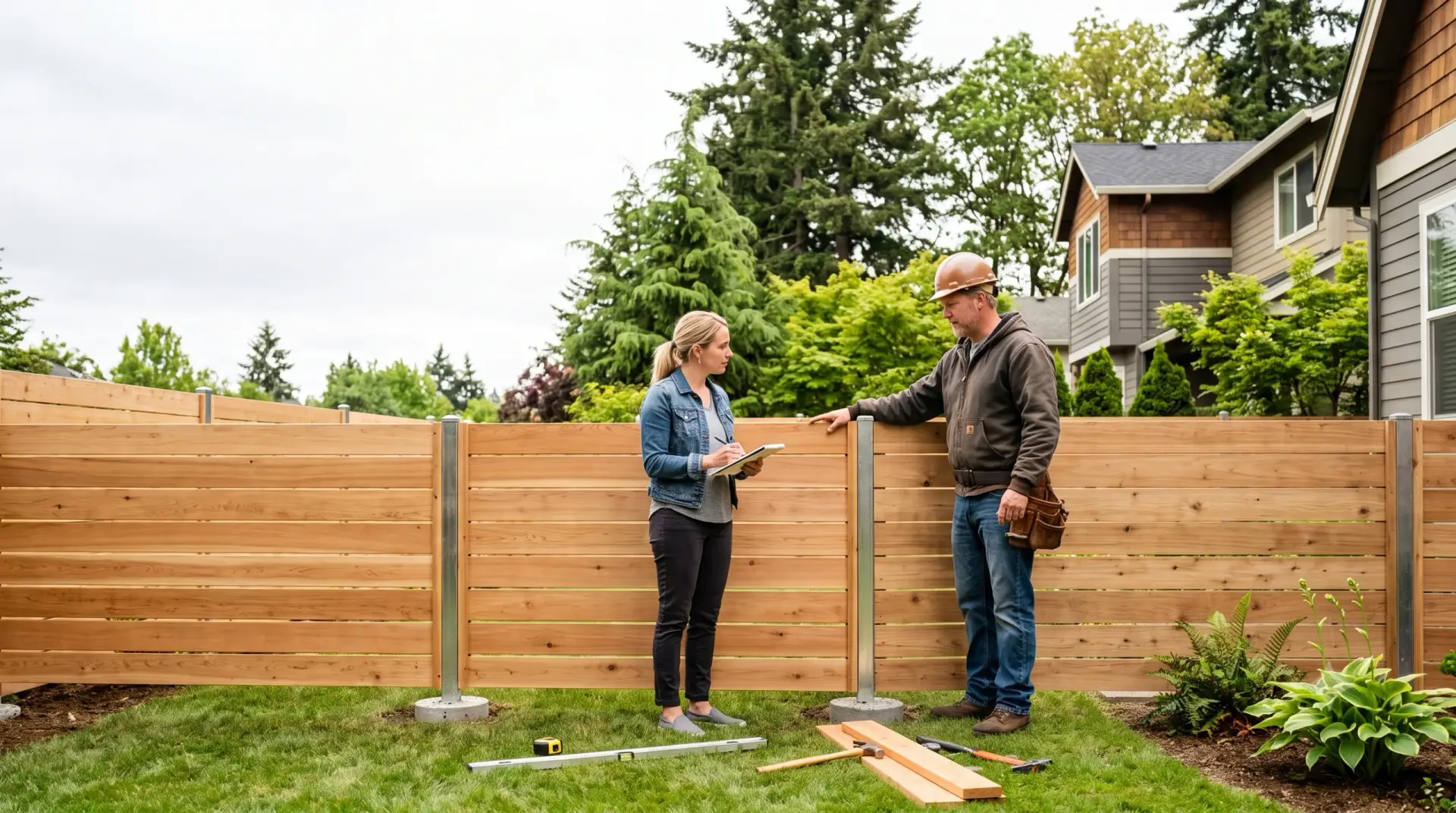
From Bare Yard to Usable Space: What Goes Into the Real Cost of a Wooden Fence
Wood fence cost may sound like a clean budgeting question, but most fence projects do not stay clean for long. Homeowners usually start with a rough price, a fence length, and a few wood fence ideas pulled from photos. Then the real job begins. The yard has a slope. The old fence needs to come out. A gate has to line up with the driveway or side path. Suddenly, the cost is no longer just about wood. It is about layout, labor, materials, and whether the new fence will actually make the backyard more usable. To budget effectively, most homeowners need a clearer plan for the full fence project before they compare one number to another. That first plan usually says more about the total cost than a quick online estimate.
At Cool Cat Fence, that is usually the point where a bare yard starts turning into a real project. A wood privacy fence is not only a boundary. It changes how people move through an outdoor space, how secure the property feels, and how much of the backyard people actually want to use.
Fence Installation and Fence Project Planning Start With the Site, Not the Panels
Many homeowners begin by asking for a number per linear foot. That is understandable. It gives the project an initial shape. But fence installation is not priced in a vacuum. The same wood fence can look straightforward on paper and still become a much harder install once the contractor walks the property. In practice, fence installation starts with what the crew has to install at each linear foot, how the fence installation has to adapt to the site, and whether the contractor is pricing a standard height layout or something more custom. Good fence installation also depends on how the site, access, and wood selection work together before the first post ever goes in.
A straight run across flat ground is one kind of job. A yard with steep slopes, established trees, fence remnants, restricted access, and multiple gates is not a simple layout to work with. Site conditions like these affect the labour time, the concrete volume, the placement of posts and rails, and the amount of custom fitting needed to make the fence look coherent rather than improvised.1
That is why wood fence installation costs can be so different from one property to another. The fence itself matters, but the site often says more about the real job than the materials on paper.
Fence Length, Cost Per Linear Foot, and Chain Link Only Tell Part of the Story
The phrase cost per linear foot is useful, but it is only a starting point. It helps compare a wood privacy fence to other fence types like chain link or wrought iron, but it does not tell a homeowner the full total cost. Cost per linear foot also hides how one wood privacy fence can require more work per linear foot than another.
A price per linear foot can miss several factors that change the final number. Labor becomes more involved when the fence style is more detailed, when the fence height changes, or when the property needs more cleanup before the crew can even begin to install. A longer fence length also does not always mean a simple job. Some smaller yards are harder to work in than larger open lots. One wood privacy fence may look simple by the foot, while another privacy fence with turns, gates, and tighter spacing can raise labor costs fast.
That is why the average cost per linear estimate people see online is often too broad to help them build an accurate budget. The national average may offer a reference, but local labor, material availability, and Seattle-area site conditions affect the actual price. That is also where cost per linear foot, average cost per linear, and per linear foot comparisons start to break down.
Budget Item | Typical Starting Range |
Standard wood fence installation | From about $17 to $35 per linear foot |
Cedar fence installation | From about $27 to $43 per linear foot |
Chain link fence installation | From about $16 to $32 per linear foot |
Old fence removal | From about $600 to $1,400 for a mid-size removal job |
These numbers work best as planning ranges, not fixed quotes. A sloped yard, tighter access, heavier post work, or a more detailed fence style can move the real number higher.
Wood Fence Ideas Depend on Wood Types and Long-Term Goals
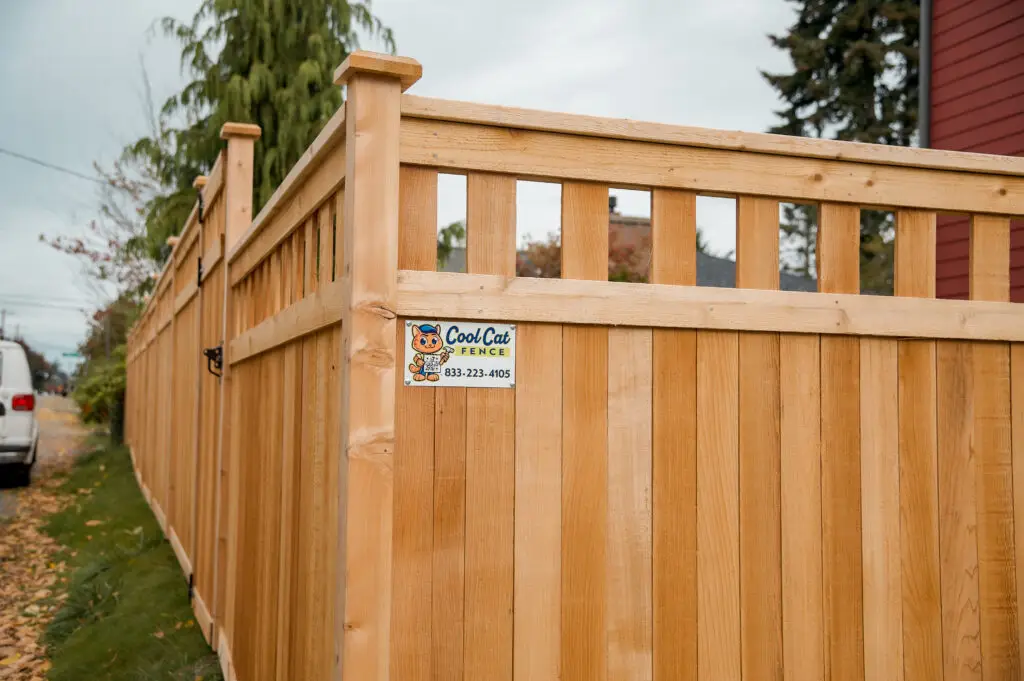
The material cost of a wood fence depends heavily on the wood type, and that choice affects more than the upfront budget. Common wood types for fencing include pine, cedar, redwood, oak, spruce, and cypress. A pine fence, especially one built from pressure-treated pine, may lower initial cost, and pine fences can last at least five years, and sometimes up to ten when pressure-treated.2 For some homeowners, that matters. For others, cedar is worth the higher material price because it better matches the look they want and can perform well in damp Pacific Northwest conditions. Redwood is generally more durable than many other woods with proper maintenance. Cypress is also valued for resistance to rot and insects, while oak is known for strength and durability. Material cost also changes depending on whether the goal is a simple privacy fence, a more refined wood privacy fence, or a wood privacy fence built with tighter board spacing and a cleaner finish.
That is one reason cedar fence installation in Seattle comes up so often. It is not just a style preference. It is a practical one in many cases. Cedar wood fences are often a strong fit for Seattle homes because they hold up well in damp weather. The right material should fit the property, the expected maintenance, and the role the fence will play in the backyard.
A cheaper material can lower the opening number, but if it leads to more upkeep or earlier repairs, the overall cost picture changes. That is where high-quality materials often justify themselves. They may increase the average price at the start, but they can also make the project feel more settled and durable over time. Regular maintenance is essential for wood fences if the goal is to protect both longevity and appearance. Staining helps protect the fence from UV rays and maintain color, while sealing helps keep water from seeping in and causing splintering. Applying sealant can extend the lifespan of a wood fence significantly. A wood fence built as a wood privacy fence usually asks more of the material package than a lighter decorative fence, and that extra material cost can matter on a long run.
Uneven Ground Changes Labor Costs Fast
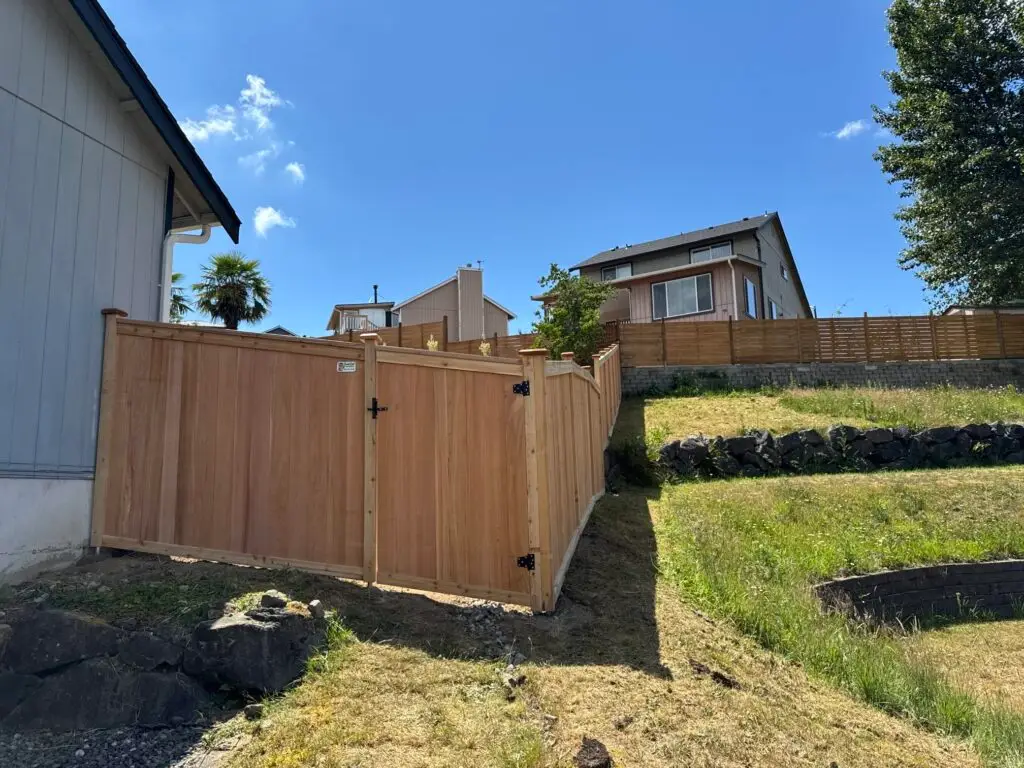
One of the quickest ways a simple-looking fence project becomes more expensive is because of grade. A yard with a visible slope or subtle uneven areas often requires custom adjustments at every section. Panels may need to be stepped. Posts may need a deeper setting. The spacing at the bottom of the fence has to be controlled so the result still feels private and finished. On a wood privacy fence or privacy fence built across a slope, each rail, bottom rail, and line of panels has to be planned by the foot, and those adjustments are exactly what push labor costs higher. Moisture management also matters here, especially with cedar fencing, where leaving small gaps between boards can support drainage and air circulation.
That is why installing a fence on uneven ground without gaps matters so much. Gaps can affect privacy, curb appeal, and even security if pets or children use the backyard. Fixing that requires time, and time drives labor costs.
This is where homeowners often underestimate a wood fence project. They compare wood and labor by the linear foot, but the job itself is not behaving like a flat-ground install. More adjustment means more labor. More labor means a higher total price.
Fence Style Affects More Than Looks
A lot of homeowners think fence style only changes appearance. In reality, fence style also changes materials, labor, and how the fence functions in the yard. A traditional vertical-board privacy fence is not built the same way as a modern horizontal design. Board layout, rail placement, post spacing, and visual alignment all affect the job. A contractor also has to think about how that fence style changes the rail count, gate placement, and the way the privacy fence reads from the backyard and front yard. Dark-stained cedar vertical boards can create maximum privacy while also giving the yard a cleaner visual backdrop, and picture frame fences can create a more finished look on both sides in denser urban settings.
That is why horizontal fence design ideas should be treated as more than inspiration. Horizontal layouts can make a backyard feel cleaner and more architectural, especially in Seattle neighborhoods where homeowners want privacy without making the property feel boxed in. But they can also require tighter workmanship and more material planning.
The same goes for taller fences. A taller wood privacy fence may create better screening, but it uses more material, more concrete at the posts, and more labor to install correctly. Wood privacy fences also provide more coverage and security, which is often exactly why homeowners choose them over lighter or more open fence styles. Style decisions and height decisions both affect the final cost. On many projects, a taller privacy fence or wood privacy fence also needs more material at every post and rail connection. Adding a lattice at the top can also change the finished look and improve curb appeal, but it adds more detailing to the build.
Fence Removal, Old Fence Issues, and Other Additional Costs
A homeowner comparing prices for a new fence will often focus on the installation and not think much about the prep. But fence removal can be a meaningful part of the cost, especially when the old fence includes failing posts, buried concrete, or a rot board near grade that signals a longer history of moisture problems. Those additional costs can change the budget faster than many homeowners expect.
Removing an existing fence is not only demolition. There may be debris hauling, disposal, and extra site cleanup before the new posts can go in. Those are real project expenses, even if they do not show up in the final photos. When an existing fence has to be broken out section by section, fence removal becomes its own job rather than a small add-on. DIY installation can reduce labor costs in some cases, but mistakes during layout, digging, or setting posts can create additional expenses later.
That is one reason the final number can feel unexpectedly high. The visible fence is only part of the work. The prep, the layout, and the corrections needed to get the site ready are part of the same job.
To Budget Accurately, Start With the Backyard and Front Yard You Actually Want
Most homeowners are not really buying wood and posts. They are usually not just trying to put up a fence. They are trying to create a backyard that feels more usable, more private, and more complete. A wood privacy fence is often part of that. It can help the space feel calmer and more enclosed, while also giving people the gate access they need and reducing those direct views from the front yard or along the side of the property. In many cases, the right privacy fence also helps the front yard and backyard feel like one more intentional outdoor space.
That is why the smartest way to budget is to start with a function. Once it is clear how the space is supposed to work, a contractor can look at the actual fence length, the style, the material choices, the slope, the labor involved, and the site conditions in a way that produces a more honest estimate. Measuring the linear footage of the property line is part of that process because it helps estimate how much fencing is actually needed. That makes it easier to build an accurate budget and plan the project around how the space will be used.
Professional installation usually costs more than the shortcut version. But it also tends to avoid the mismatched panels, uneven runs, and awkward gate placement that can make a finished fence look cheaper than it should. For many homeowners, that is the real point. The investment is not just in the fence itself. It is in making the backyard work properly. A good contractor can also plan for gates, sightlines, and the overall cost before the install begins.
What the Real Cost of a Wooden Fence Comes Down To Across Fence Types
The real wood fence cost is shaped by several factors at once. Material matters. Labor matters. Style matters. Grade matters. Removal matters. Seattle conditions matter. The more a project has to respond to the actual yard, the more the estimate becomes a custom number rather than a generic online average. For a wooden fence, the overall cost depends on several factors, from the first planning decision to the final installation.
That is not bad news. It is just more honest. A well-planned wooden fence can do much more than define a property line. It can make the backyard more usable, improve privacy, support security, and give the space a finished structure that feels right every day. That is the cost question worth answering.
FAQ
What affects wood fence cost the most?
The biggest factors are material, labor, fence style, slope, fence length, gates, and whether removal is needed. Those factors affect the total cost more than any single price per linear foot.
Is cost per linear foot enough to budget for a fence?
No. Cost per linear foot is a starting point, but it often misses site conditions, labor complexity, and prep work.
Does uneven ground increase labor costs?
Yes. Installing a fence on uneven ground without gaps usually takes more planning, more labor, and often more concrete.
Is cedar more expensive than pine?
In many cases, yes. Cedar often has a higher material cost than pressure-treated pine, but some homeowners prefer it for appearance and long-term performance.
Do horizontal fences cost more?
They can. Some horizontal fence design ideas require tighter alignment and more precise labor than simpler fence styles. A horizontal wood fence or wood privacy fence may also require more layout control than a basic privacy fence.
Why does fence removal matter so much?
Fence removal adds labor, hauling, and cleanup, especially when an old fence has buried posts or failing concrete.
Is professional installation worth it?
Usually, yes. A better installation can reduce layout mistakes, improve durability, and make the final wood privacy fence feel worth the price.
Why is Seattle fence pricing so specific?
Seattle projects are affected by moisture, slope, access, and neighborhood layout, so the real job often differs from a basic online average.